
Control cables
Multicore flexible control and signalling cables from 300/500 V to 2 kV for crane pendants, festoons, energy chains, mining pilot circuits and offshore decks.
How does the cable move?
Pick one or more duties — the list below updates.
57 control cables
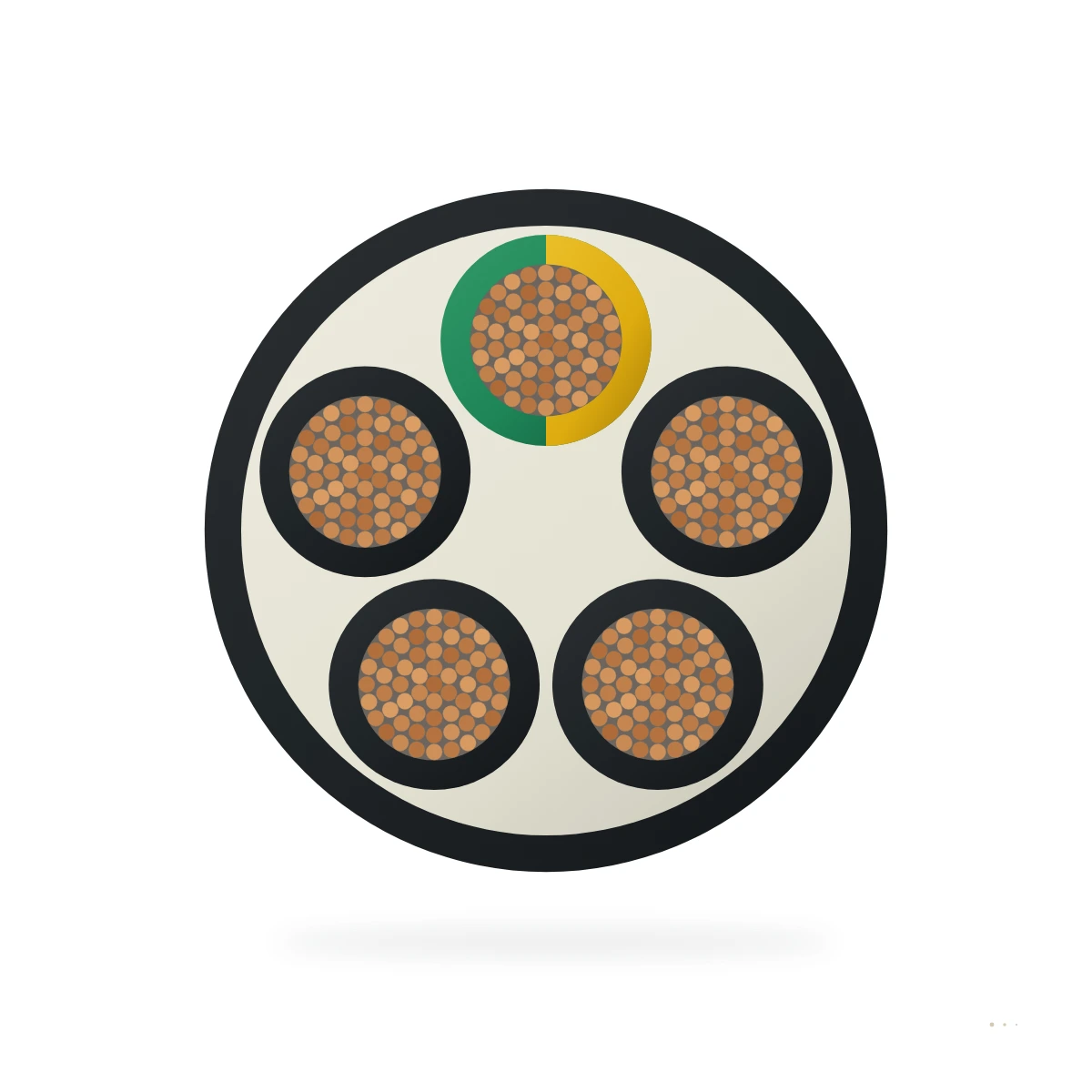
Unscreened control and hoist cables
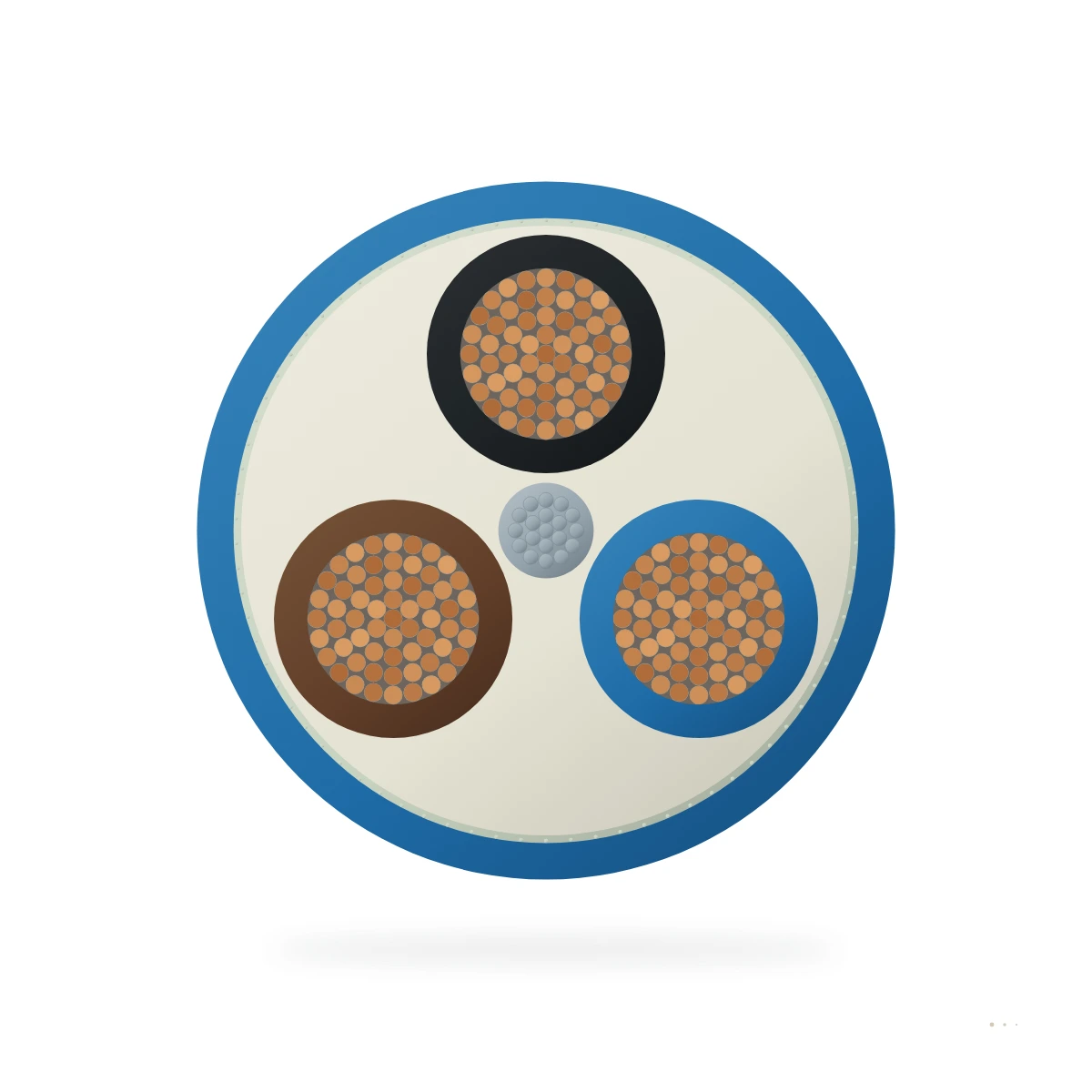
Flexible PVC, PUR, TPE and rubber multicore control cables for machinery, hoists and cleanrooms.
14 cables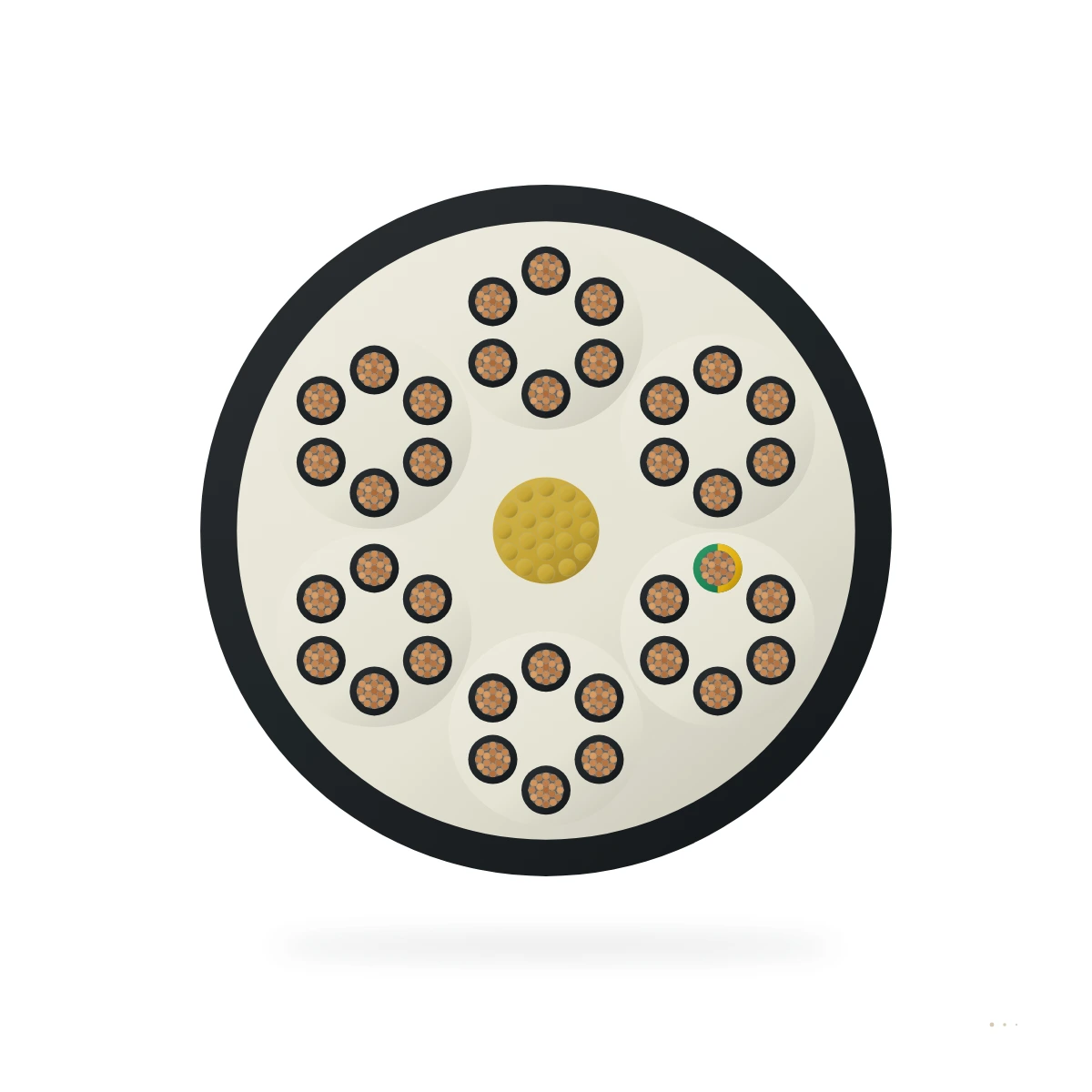
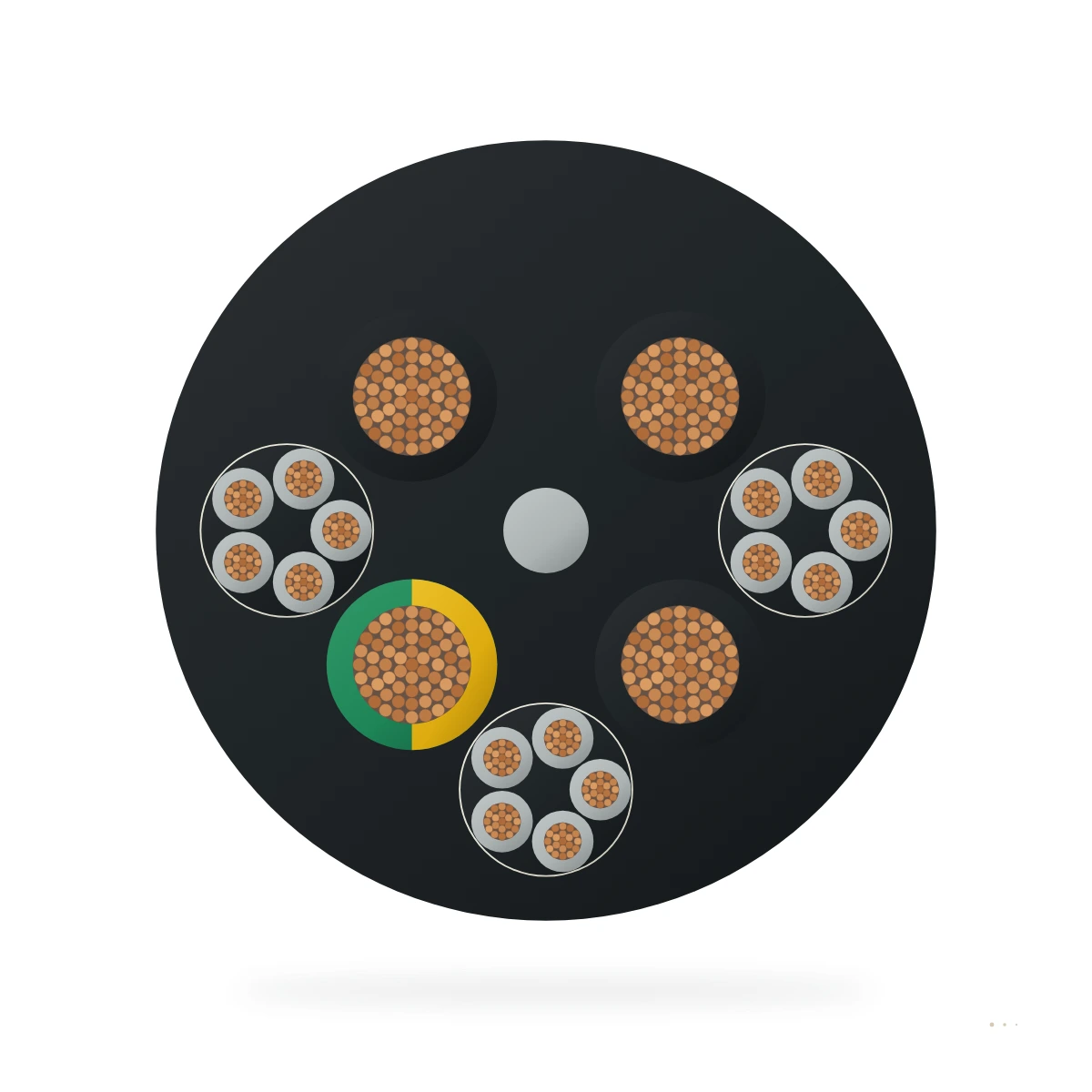
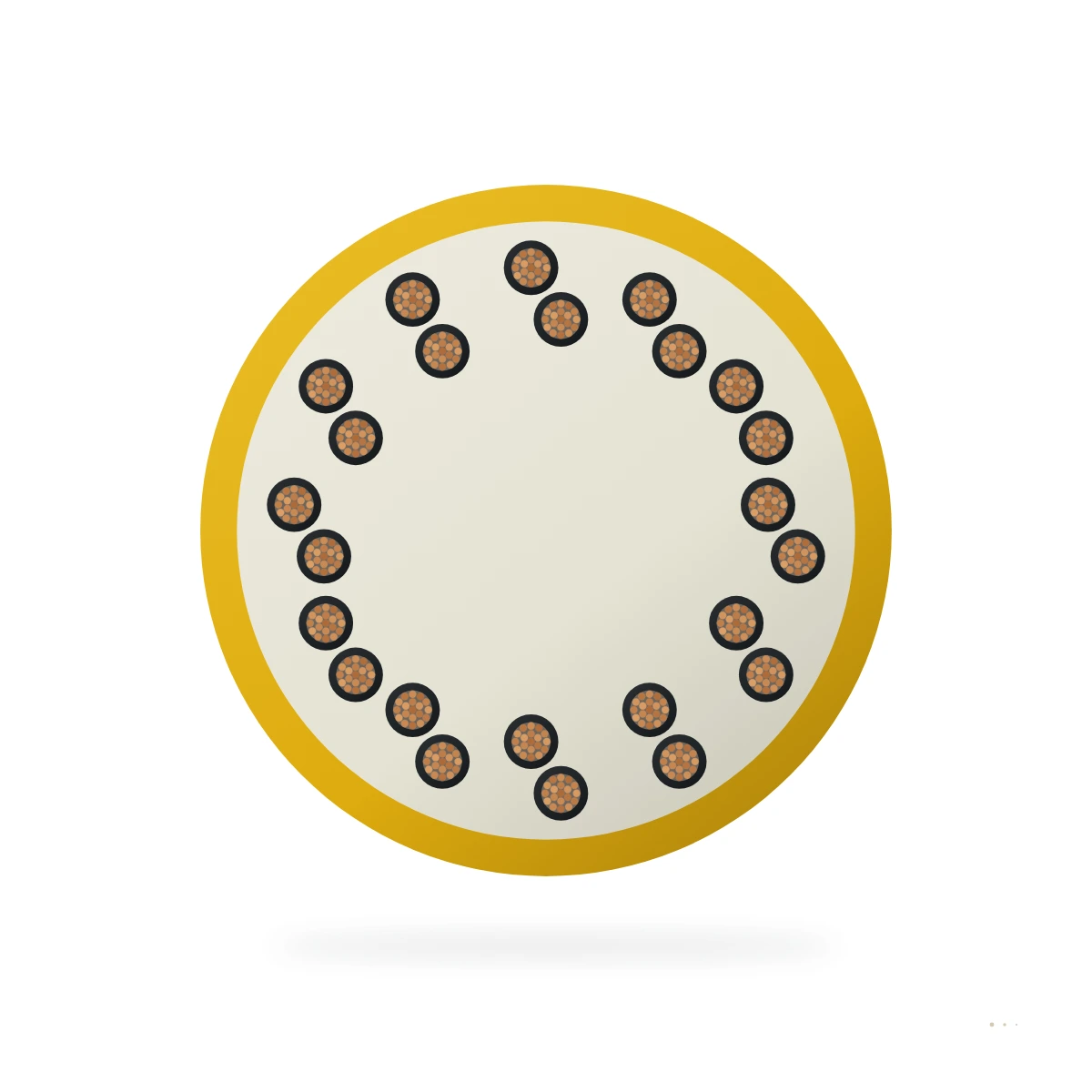
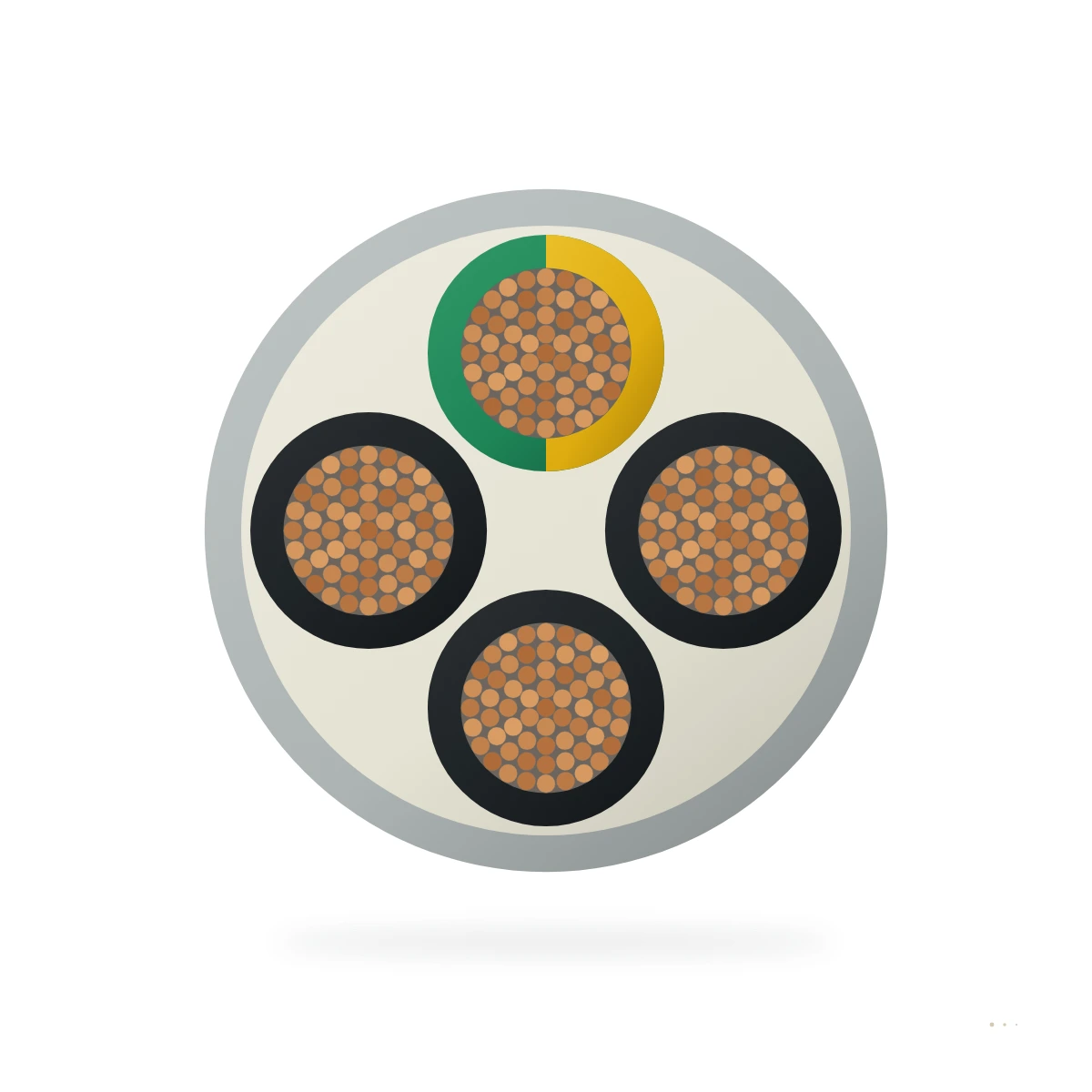
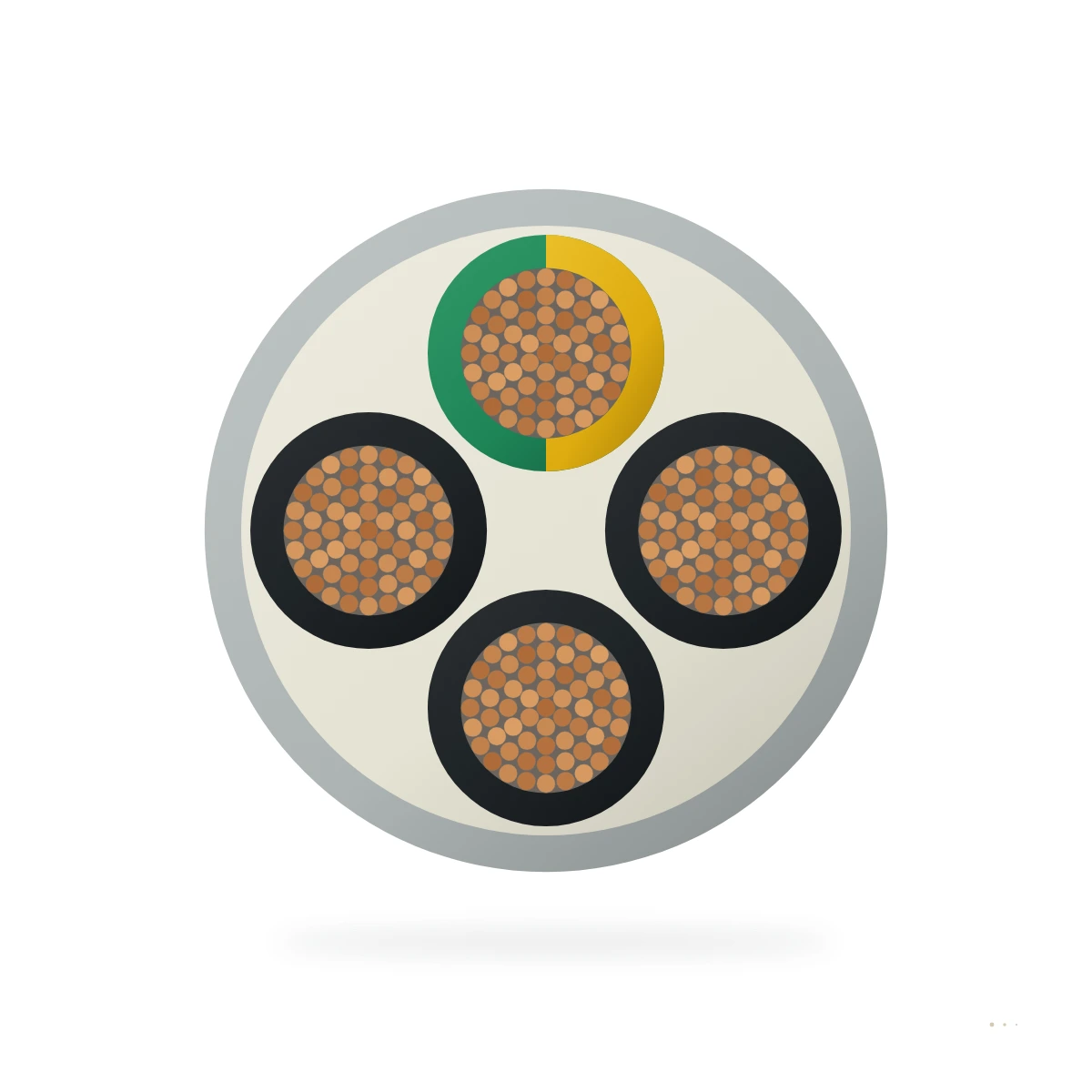
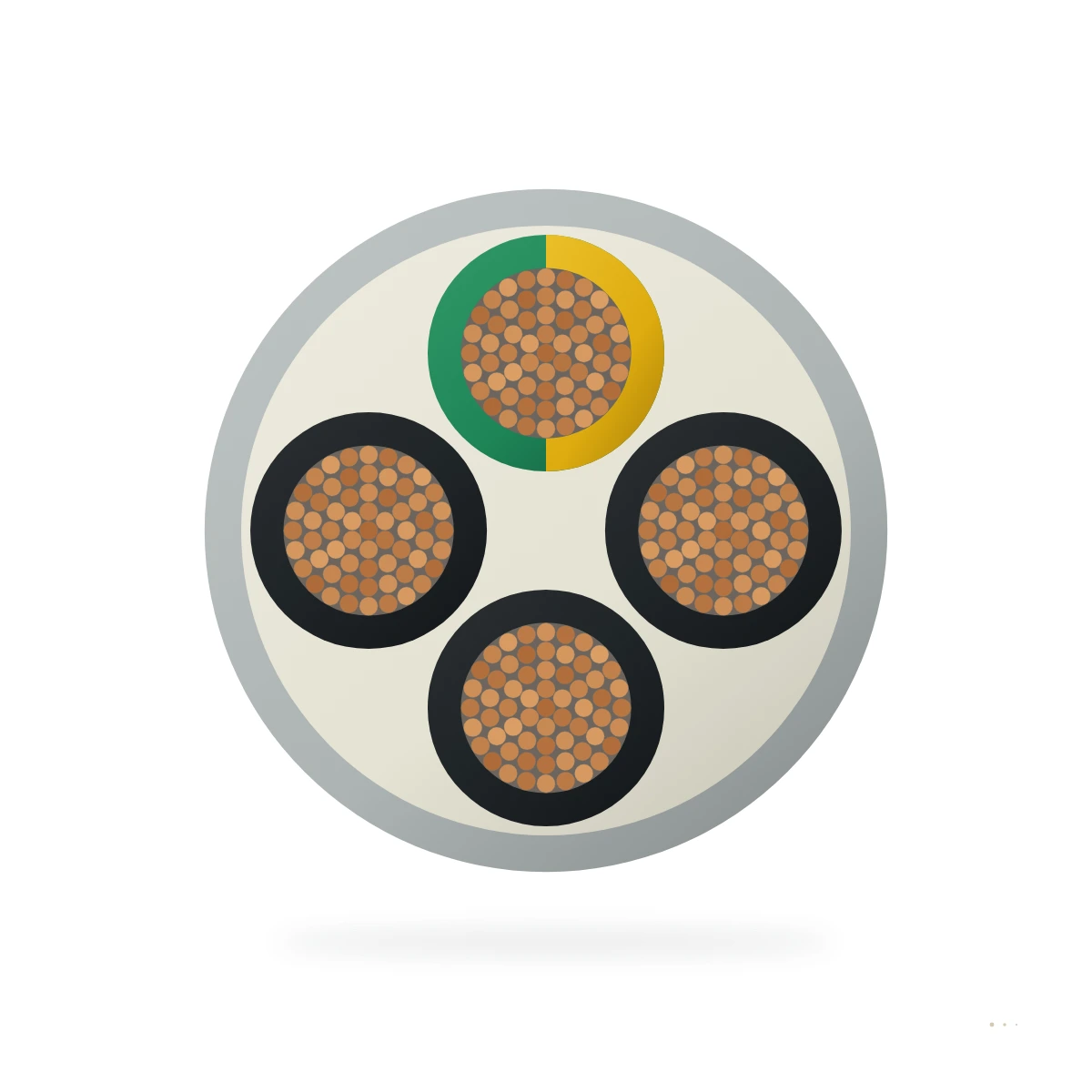
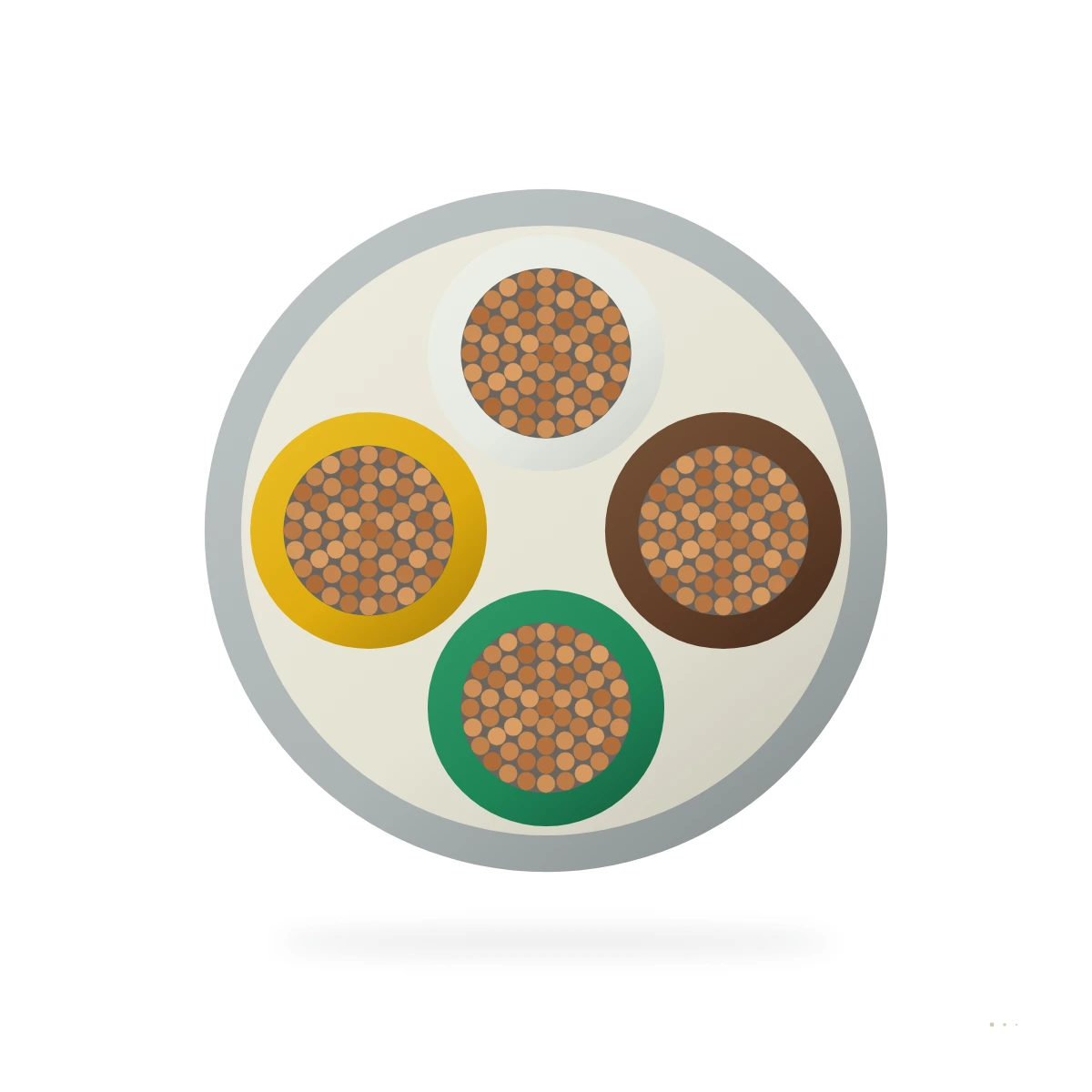
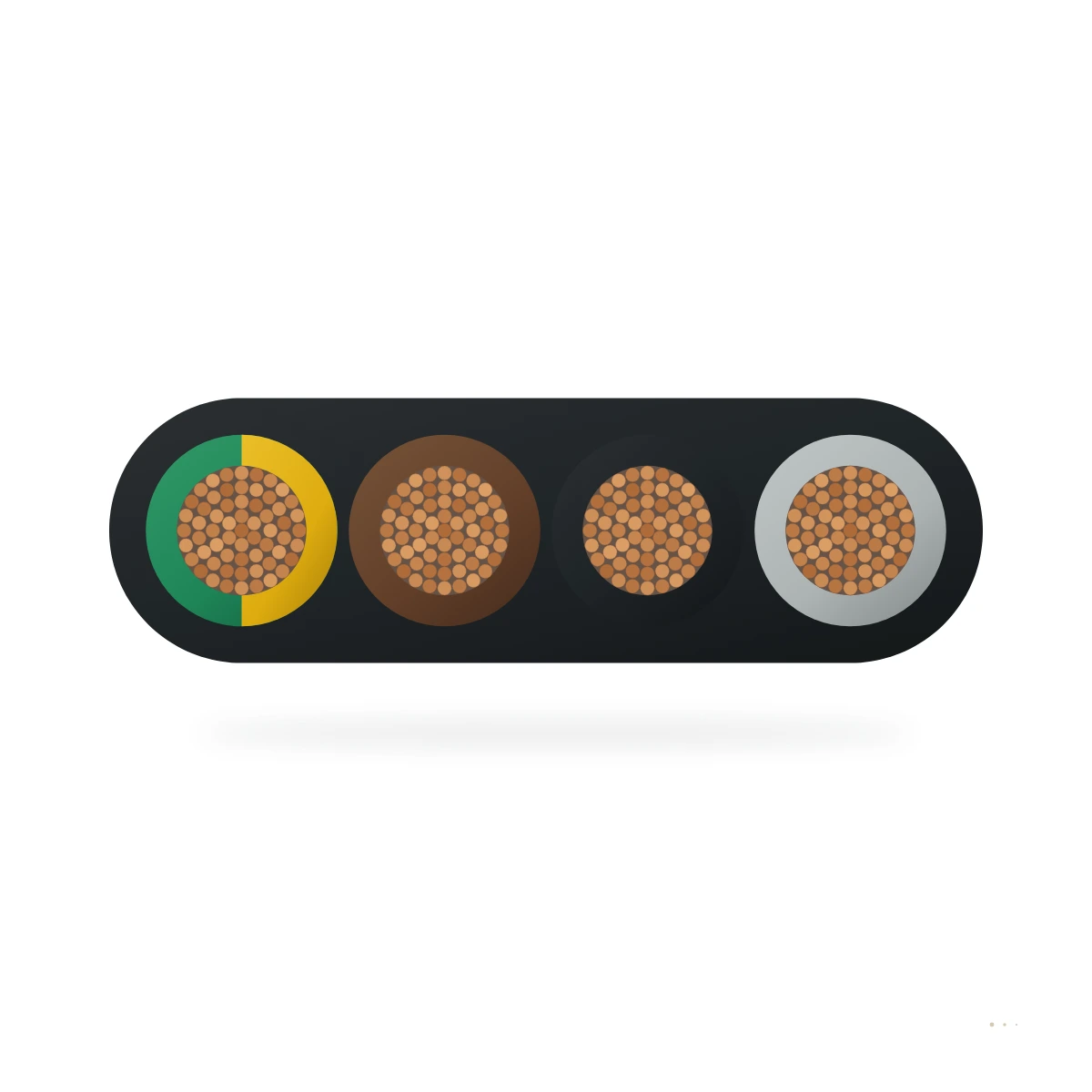
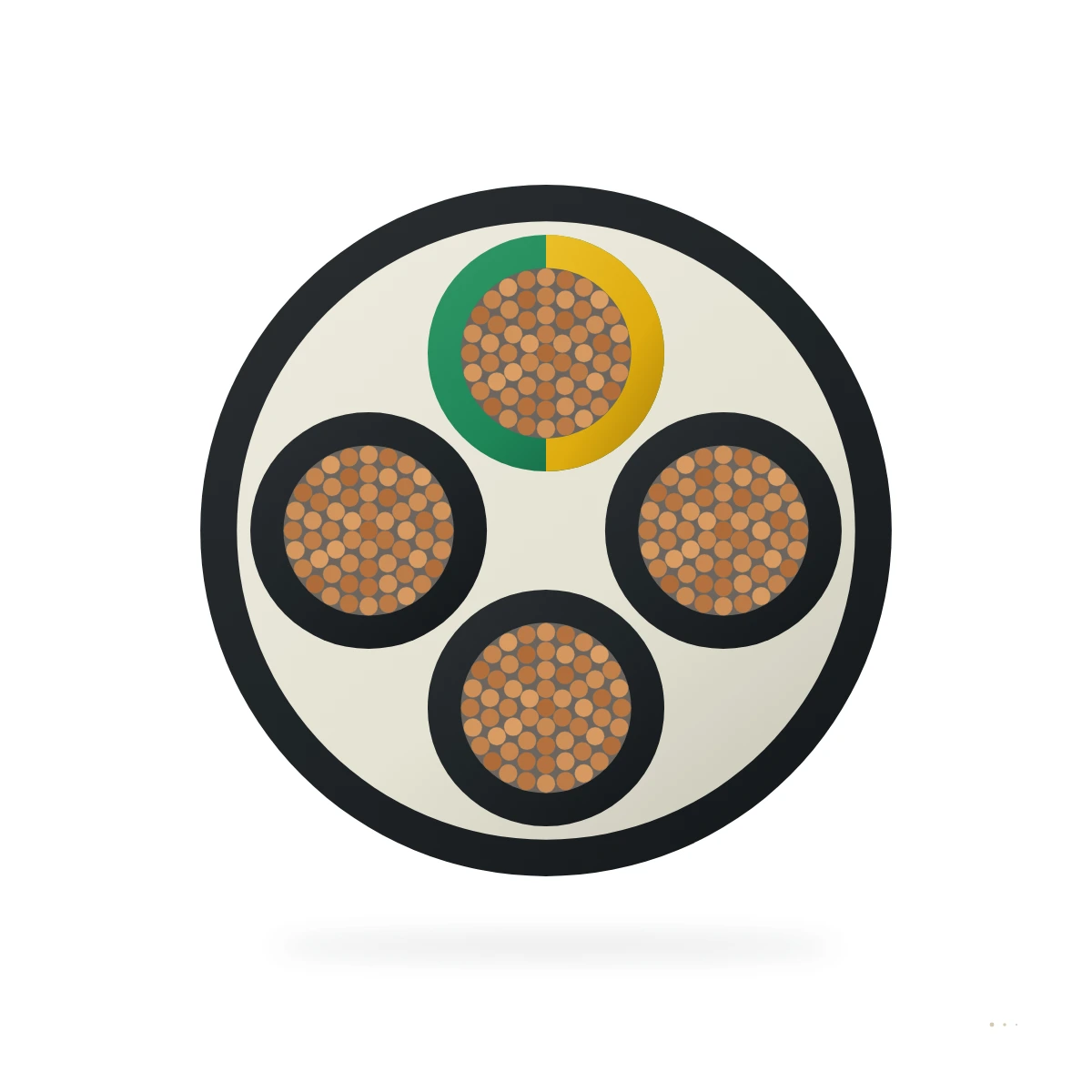
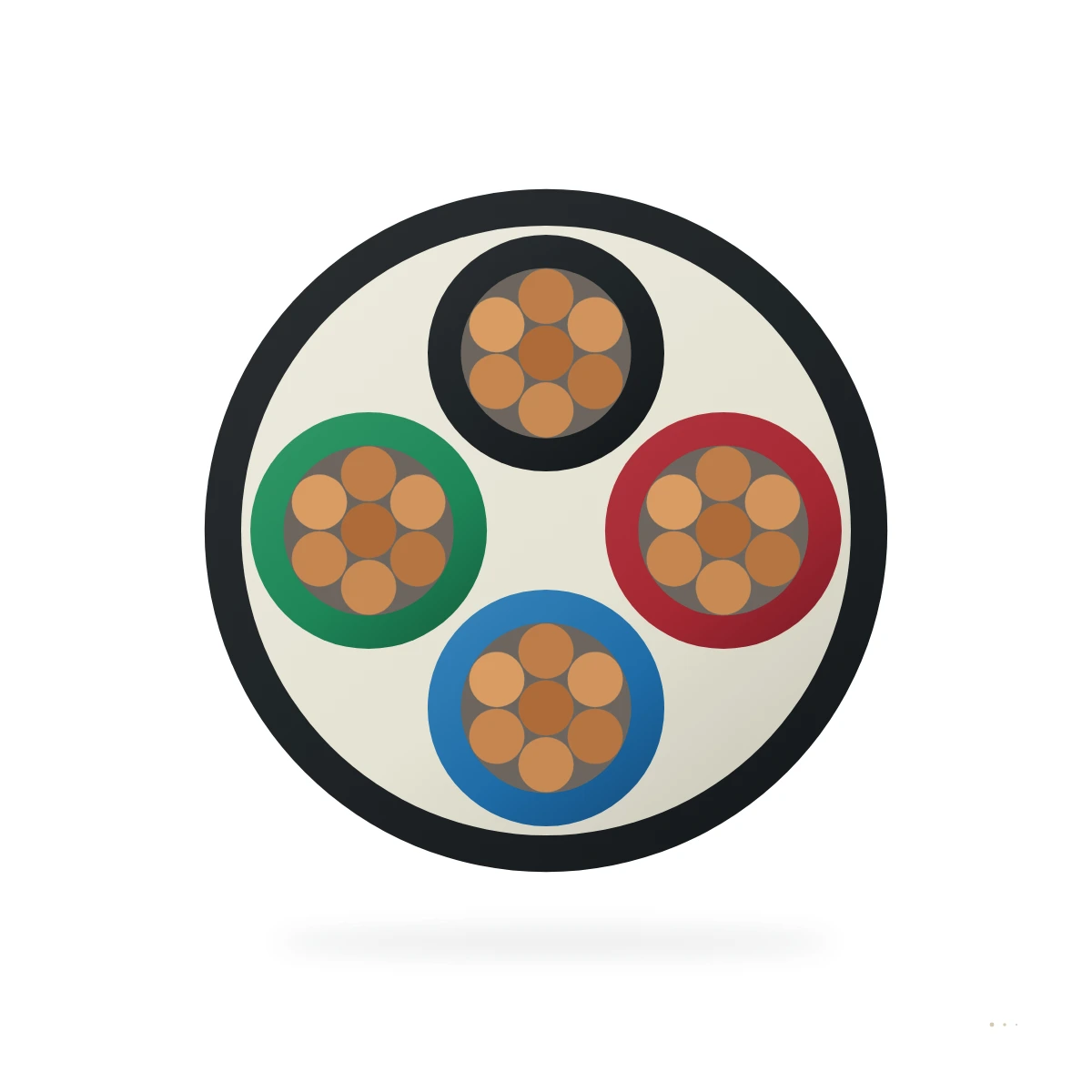
Screened and braided EMC control
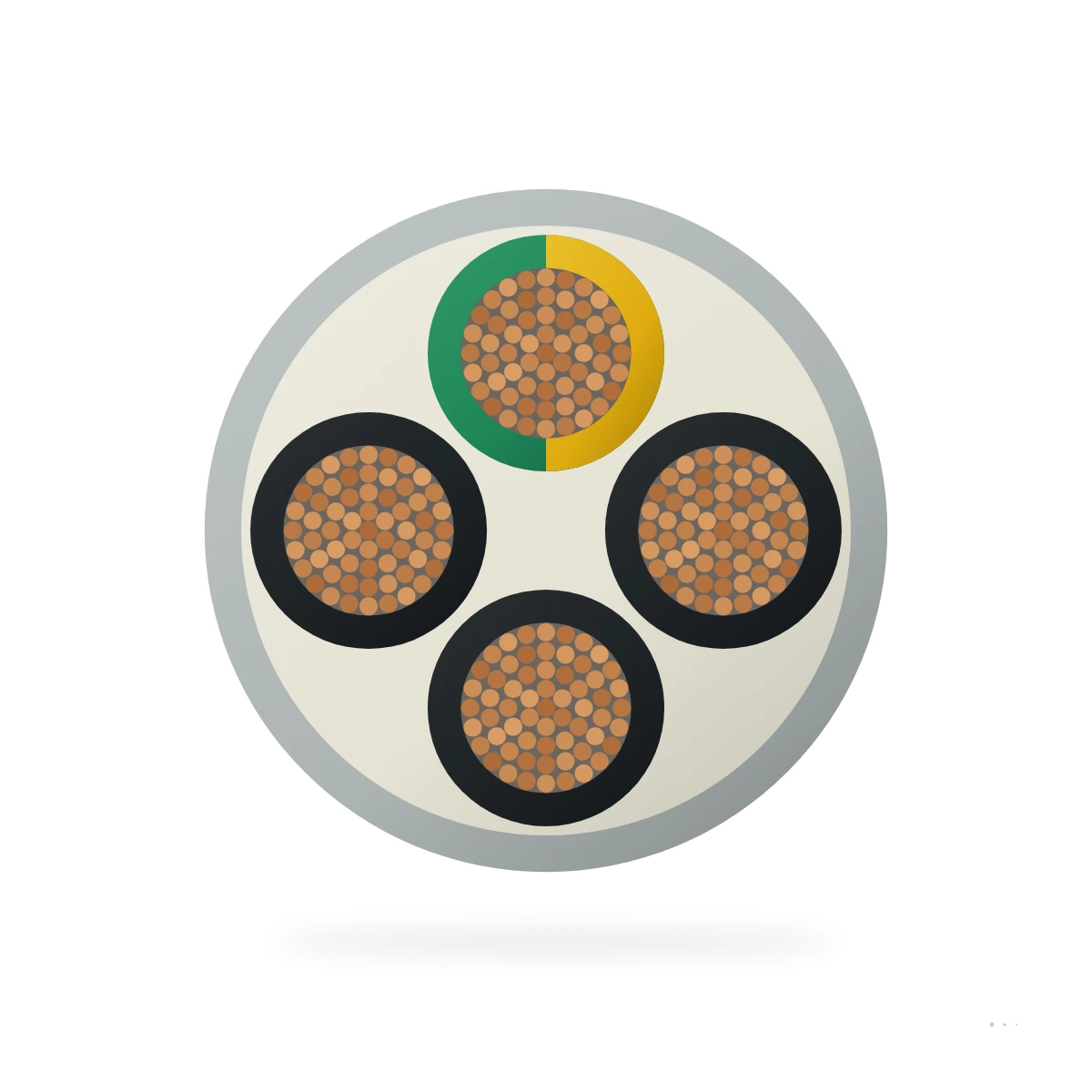
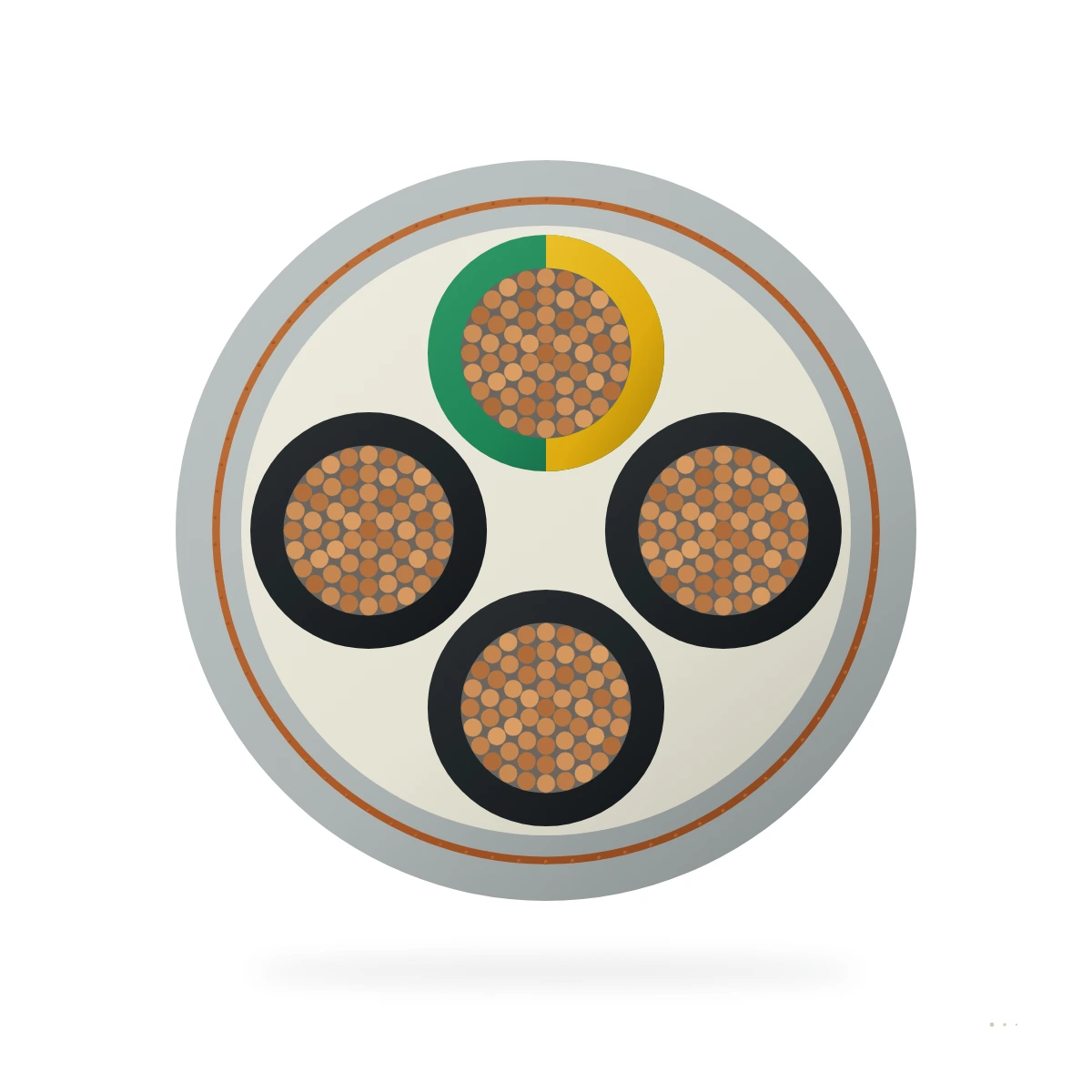
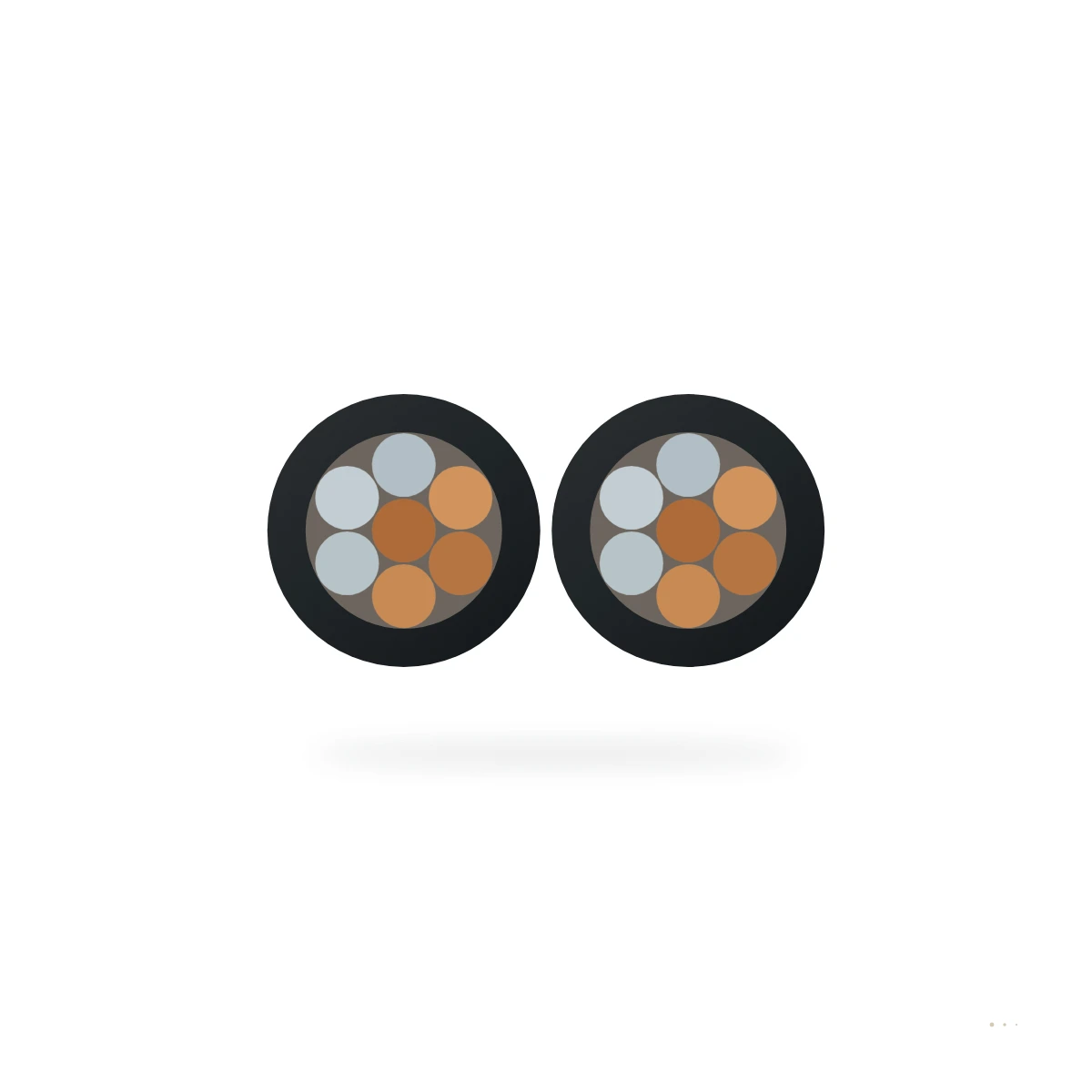
Copper-braid screened and steel-wire braided control and twisted-pair signal cables for EMC protection.
10 cables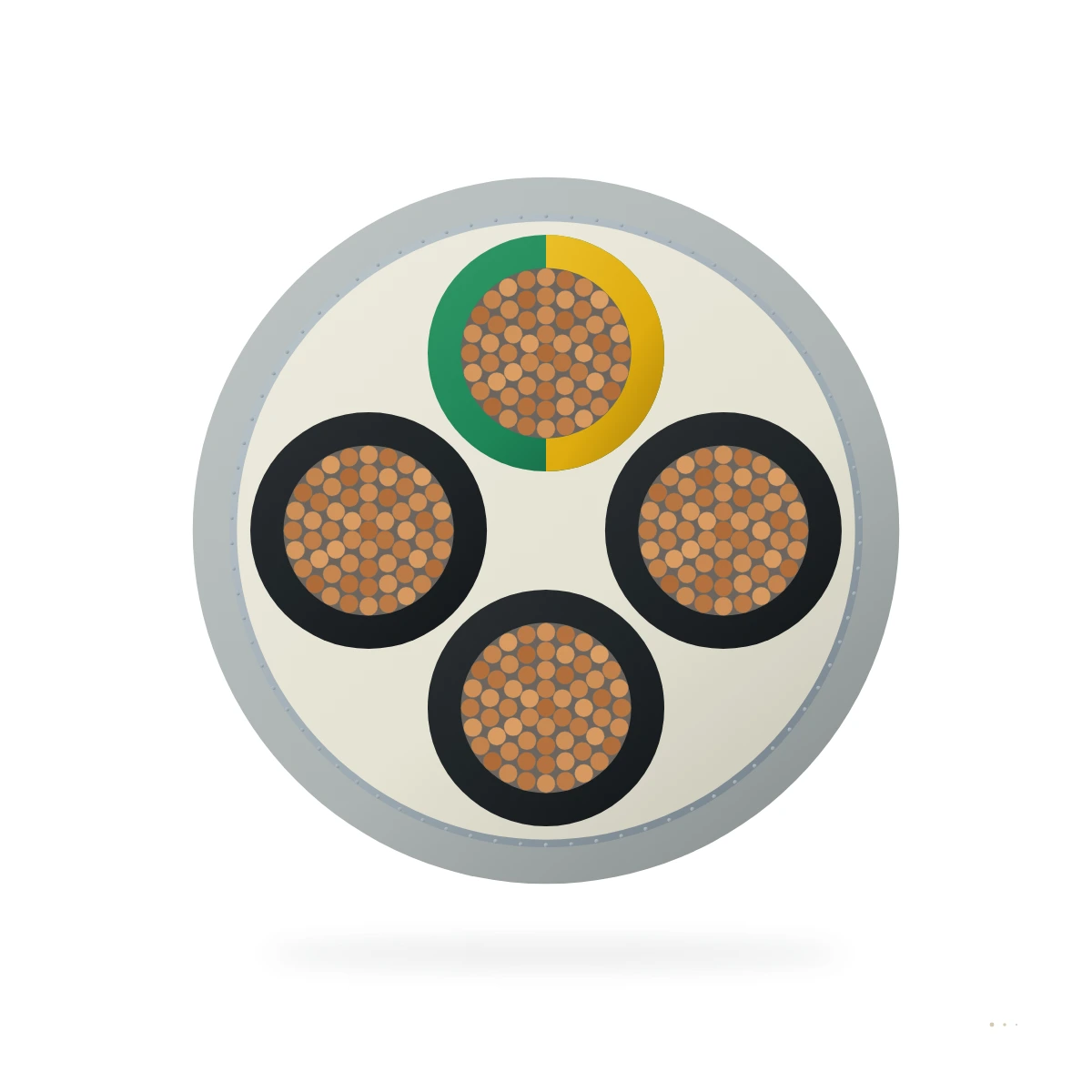
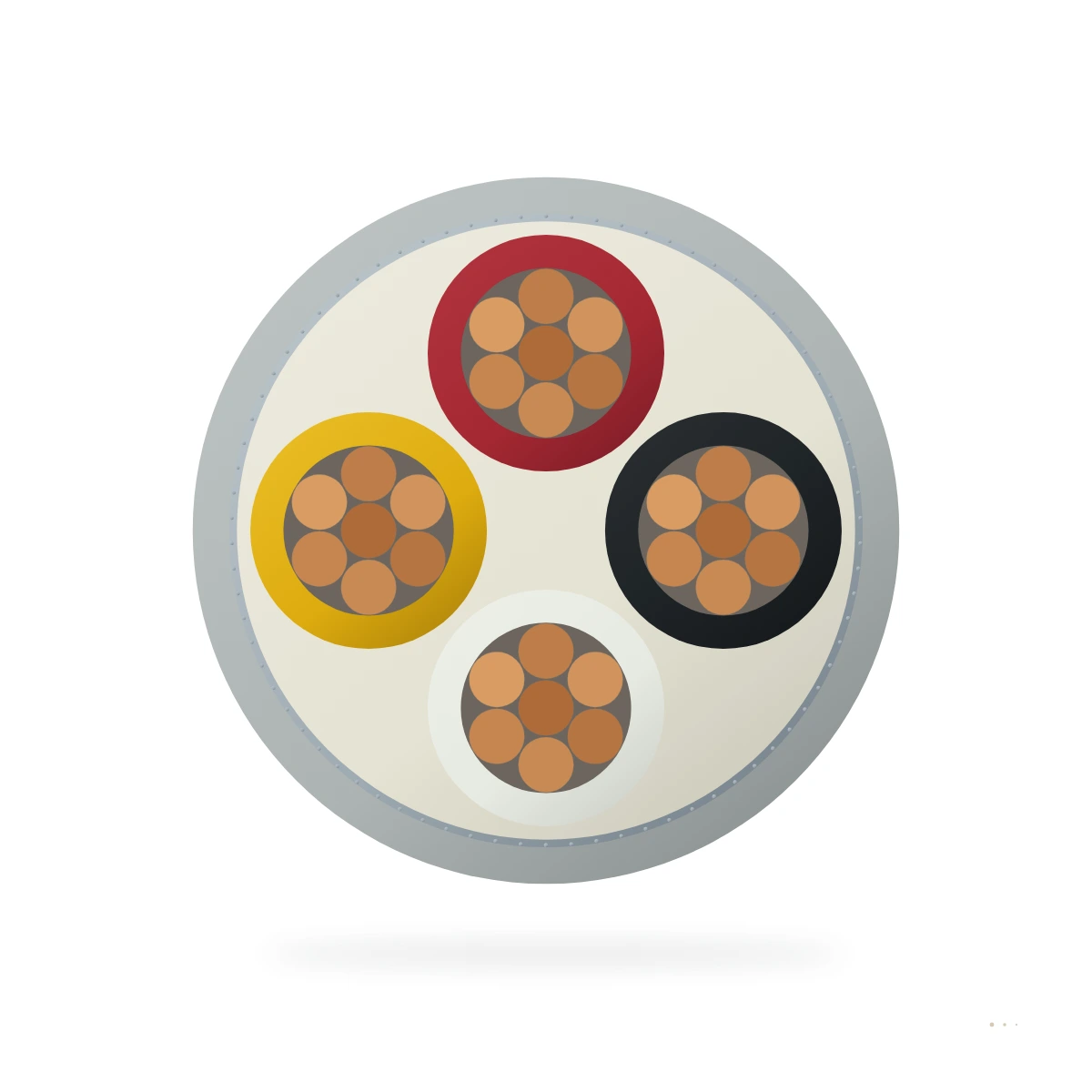
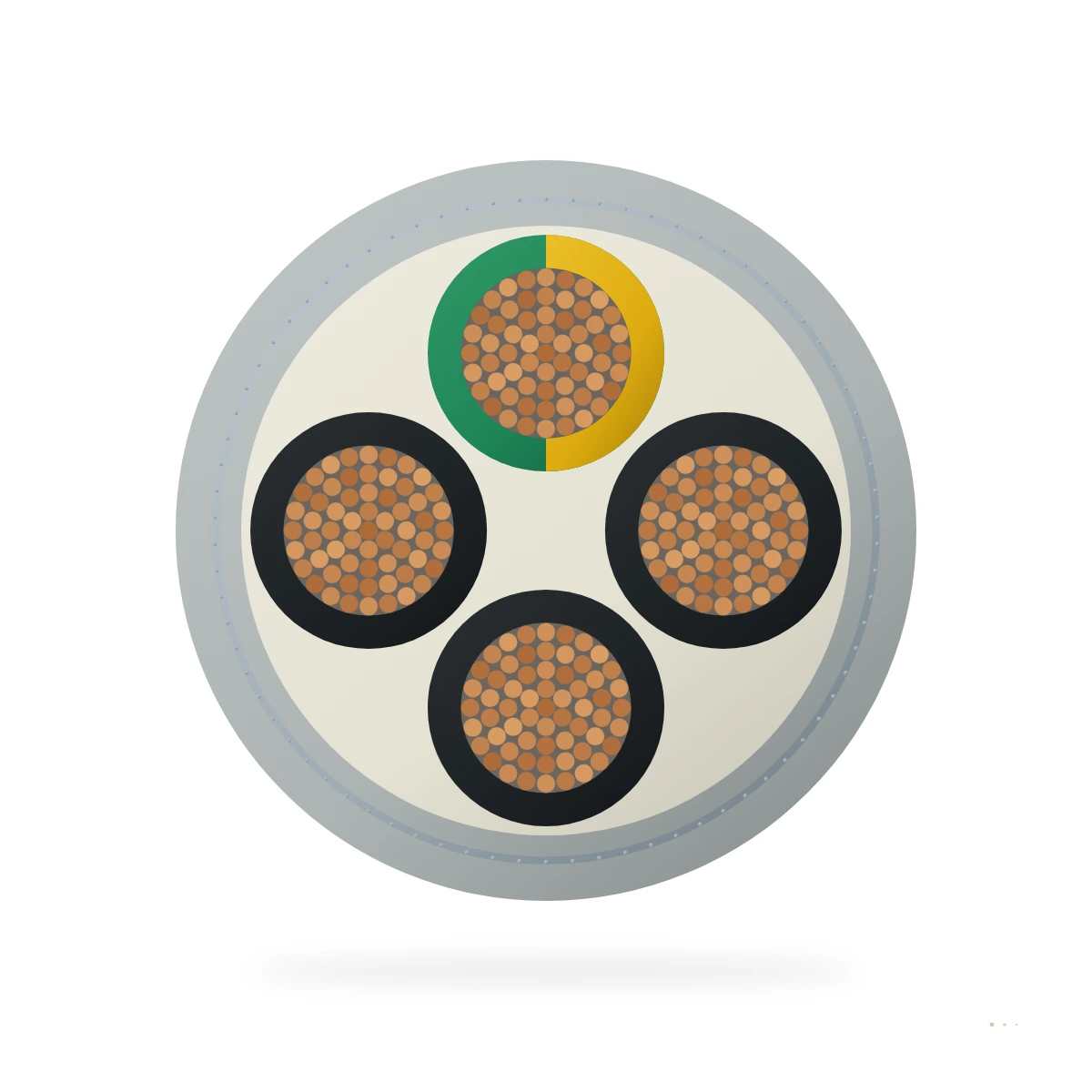
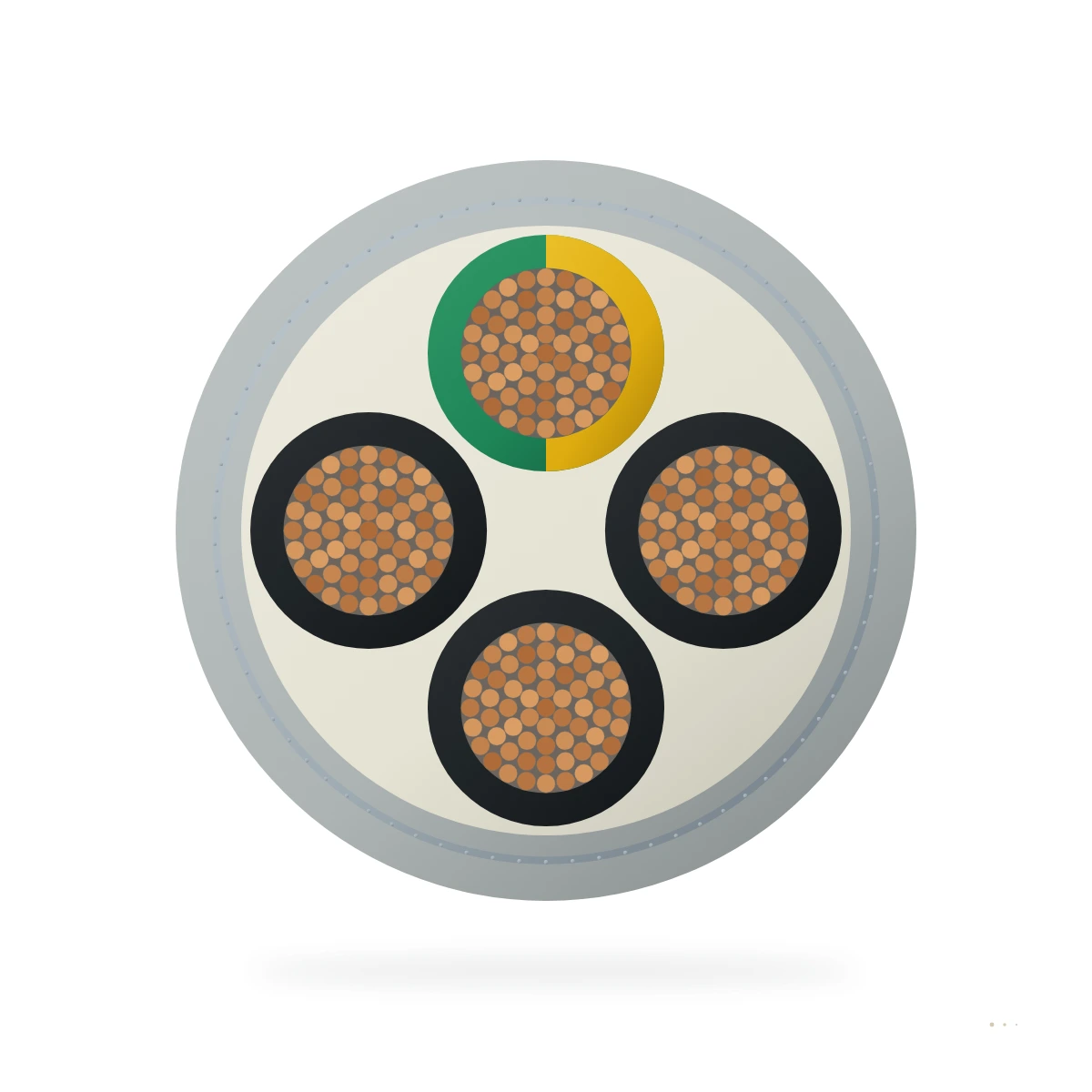
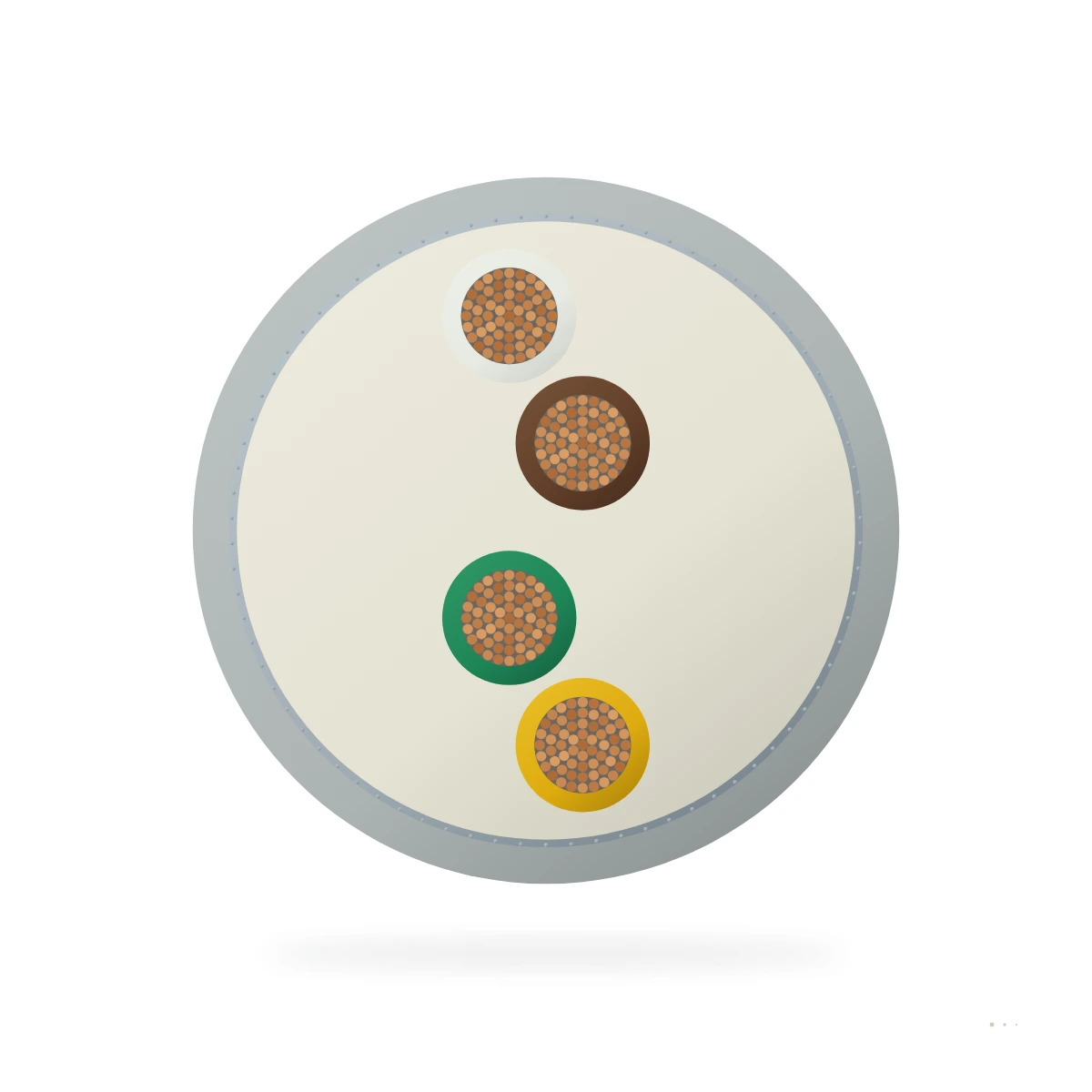
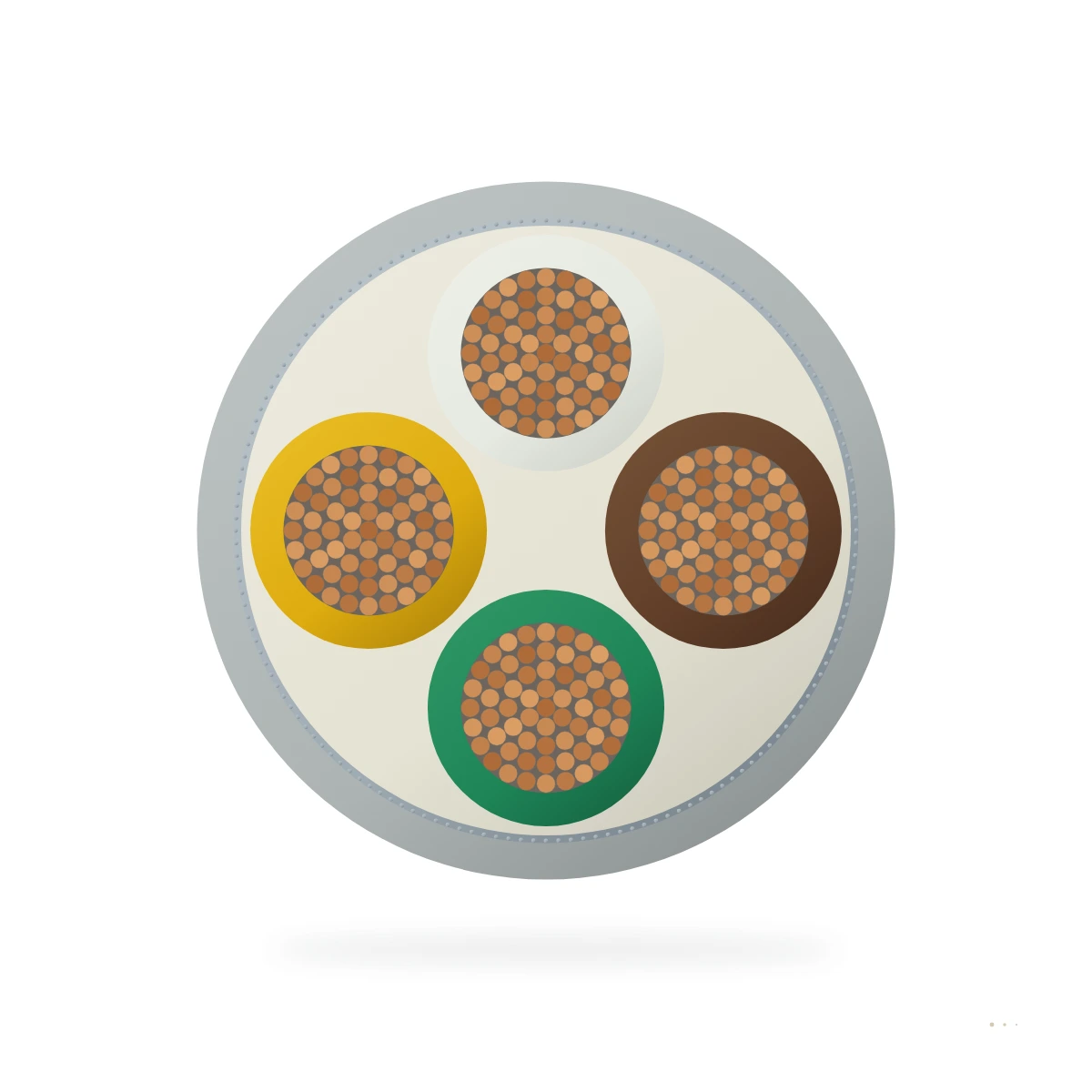
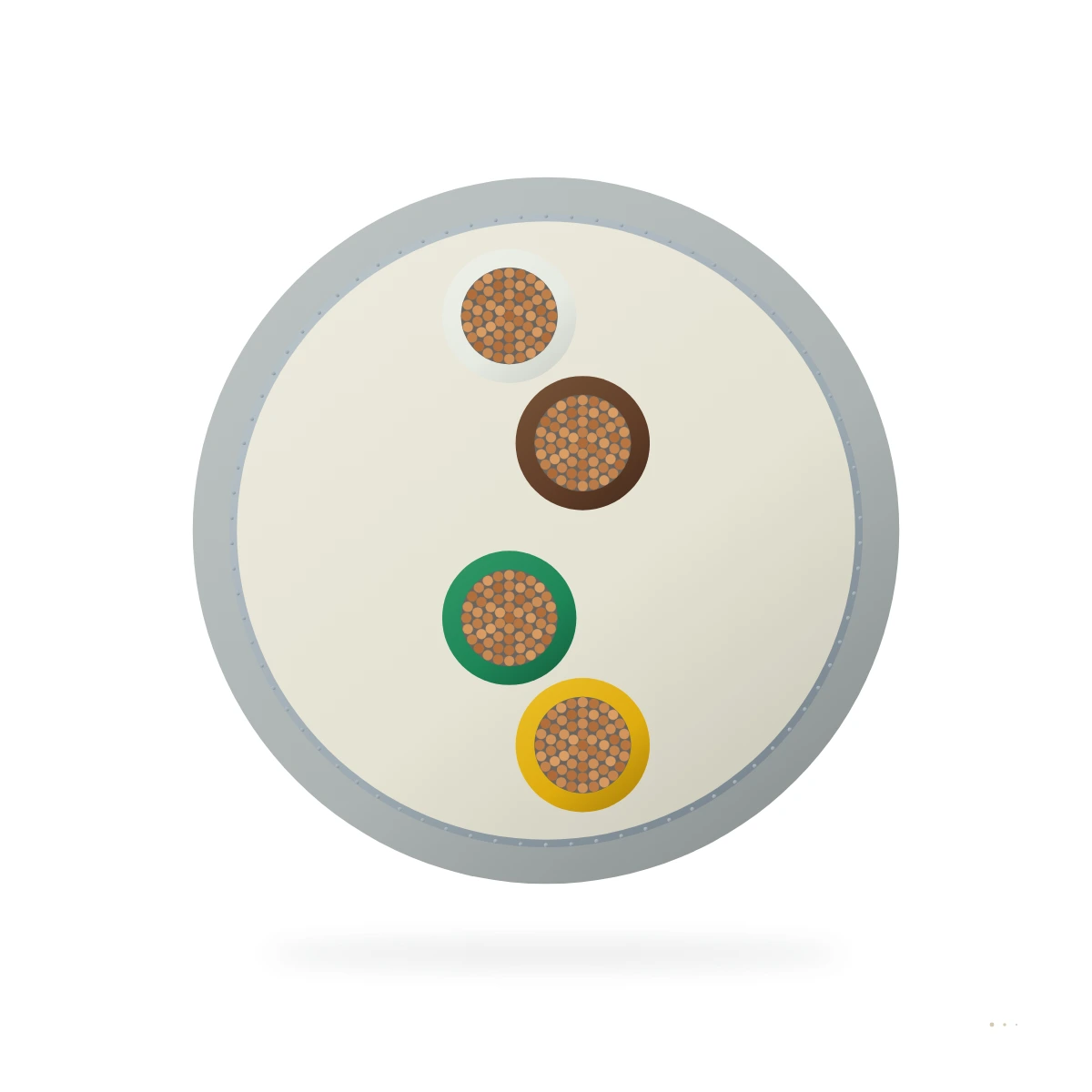
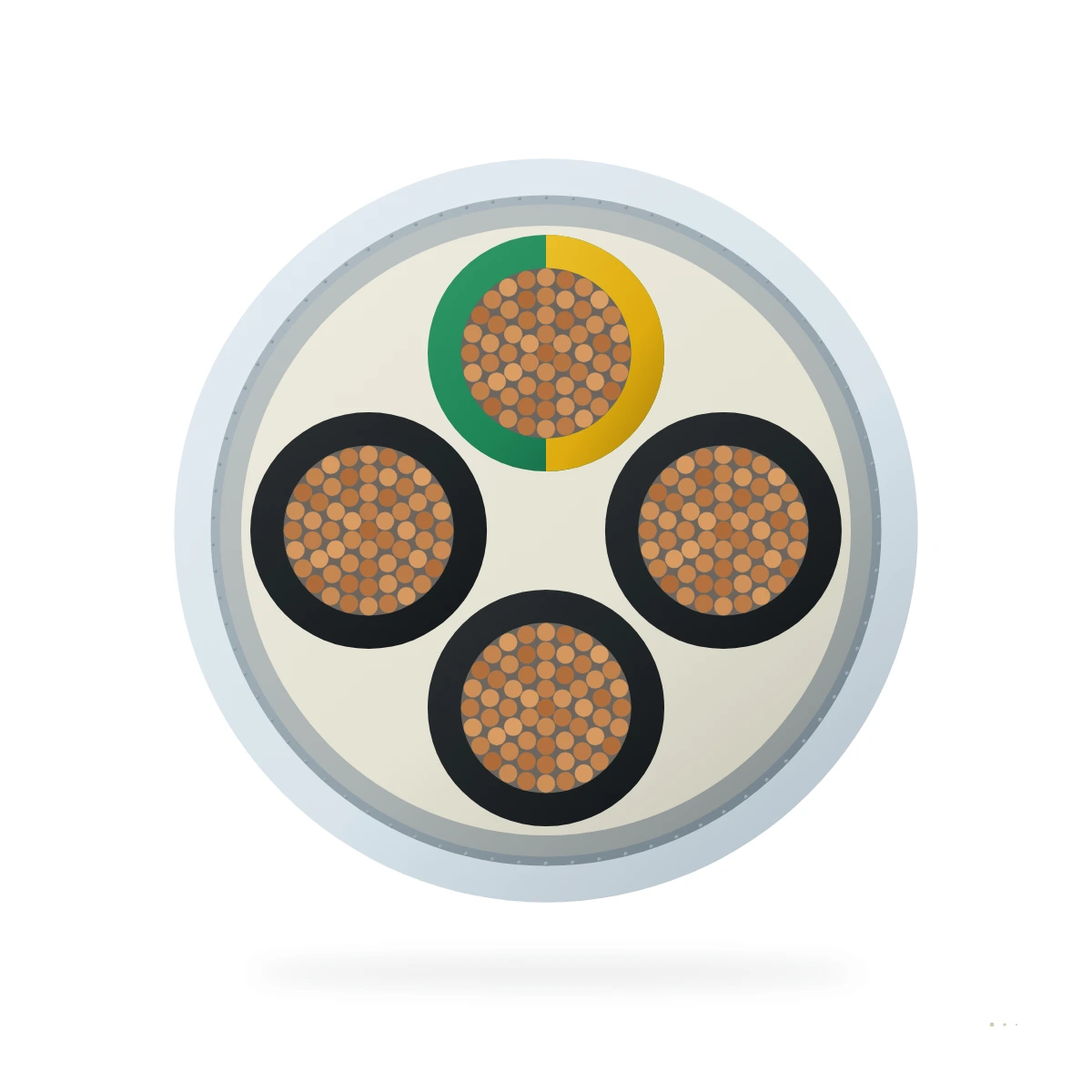
LSZH, railway and traffic signalling
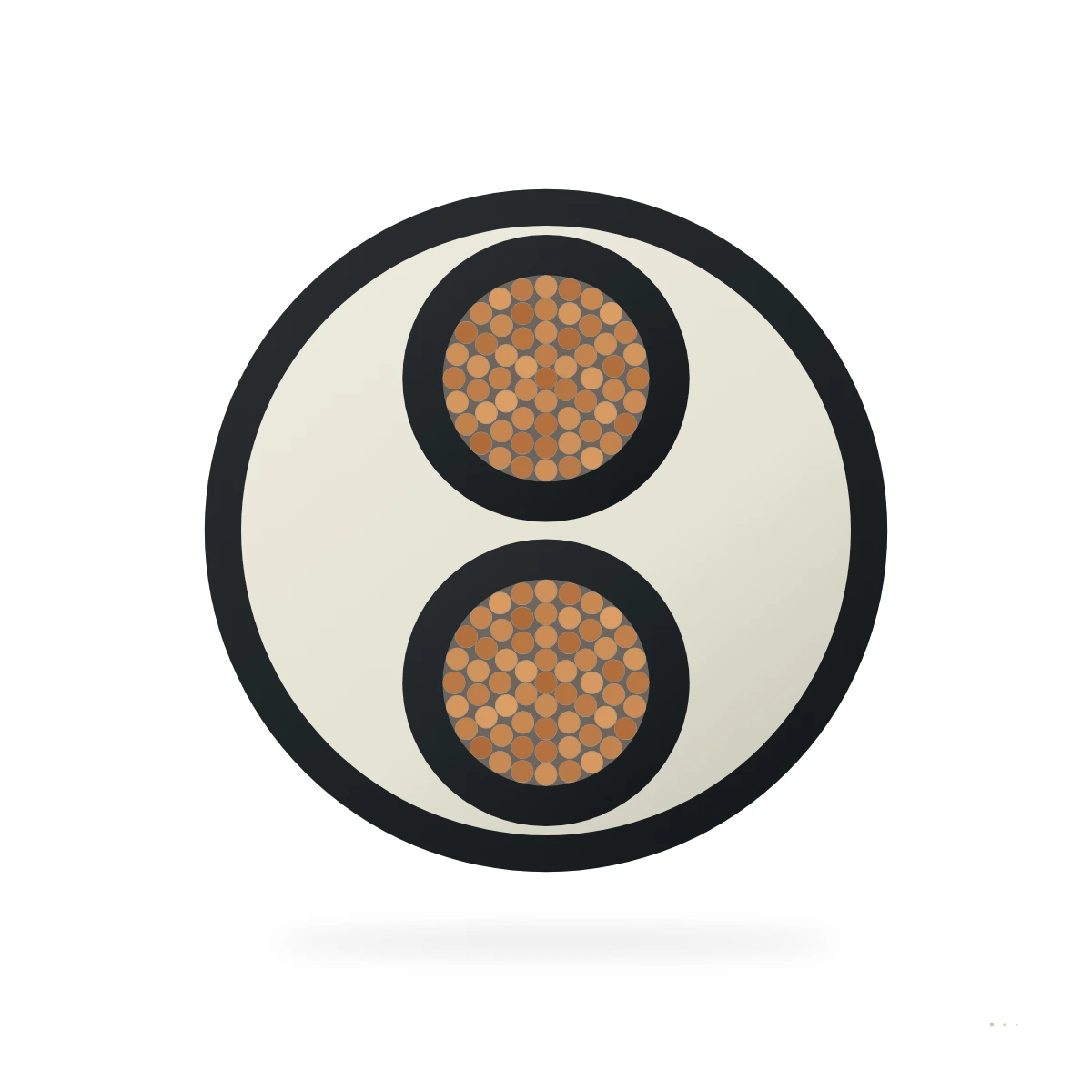
Halogen-free building installation cables, armoured trackside railway telecom cables and traffic loop leads.
15 cables

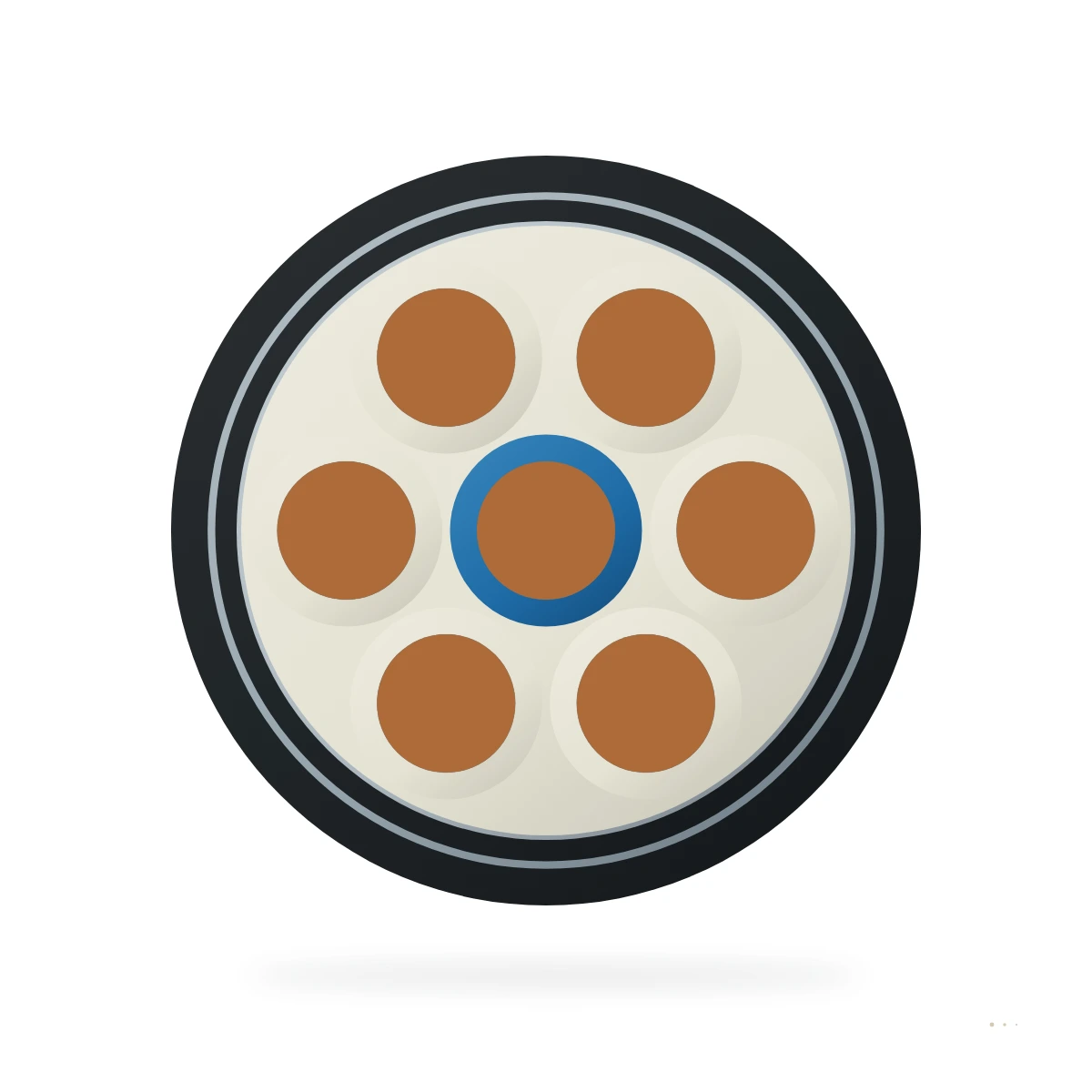


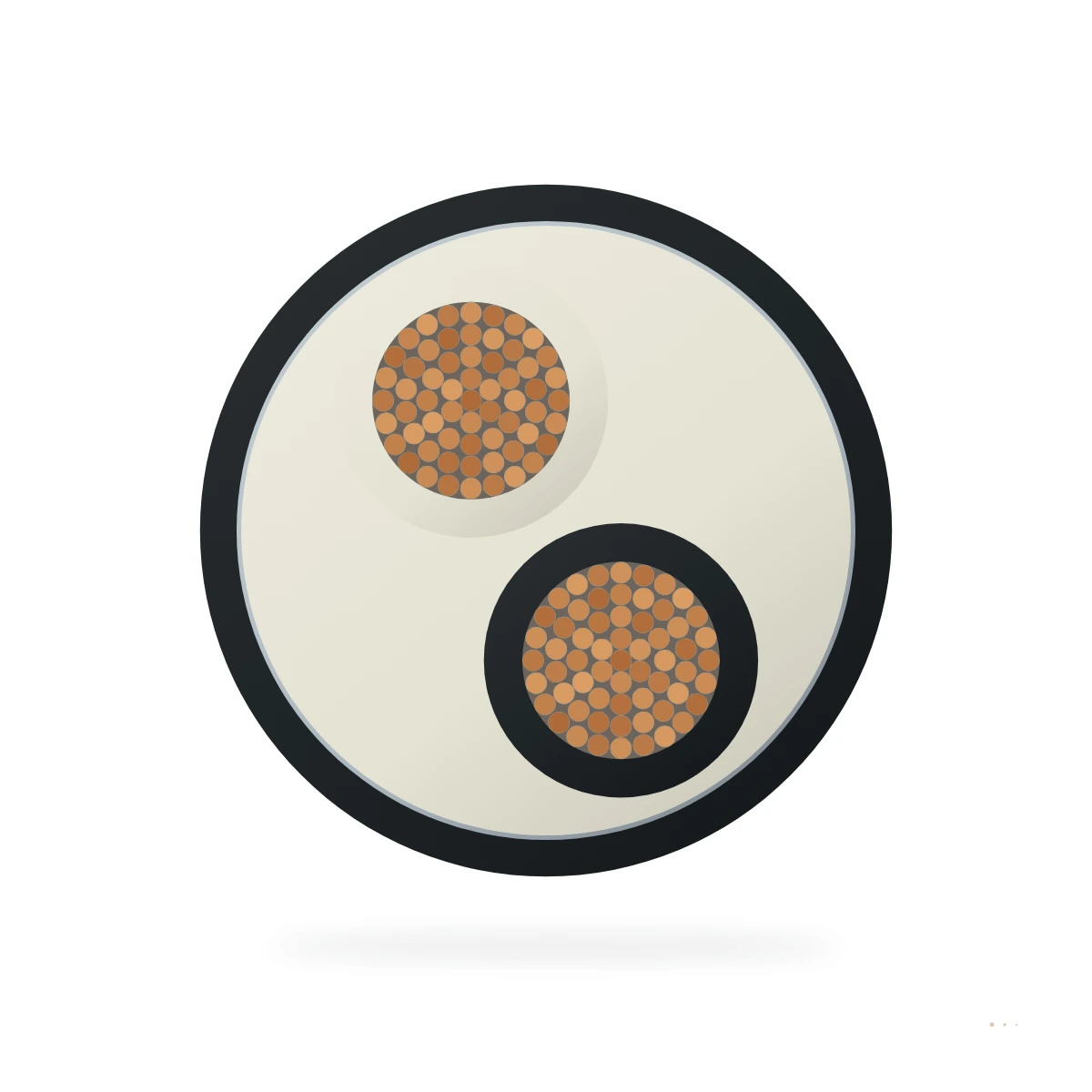
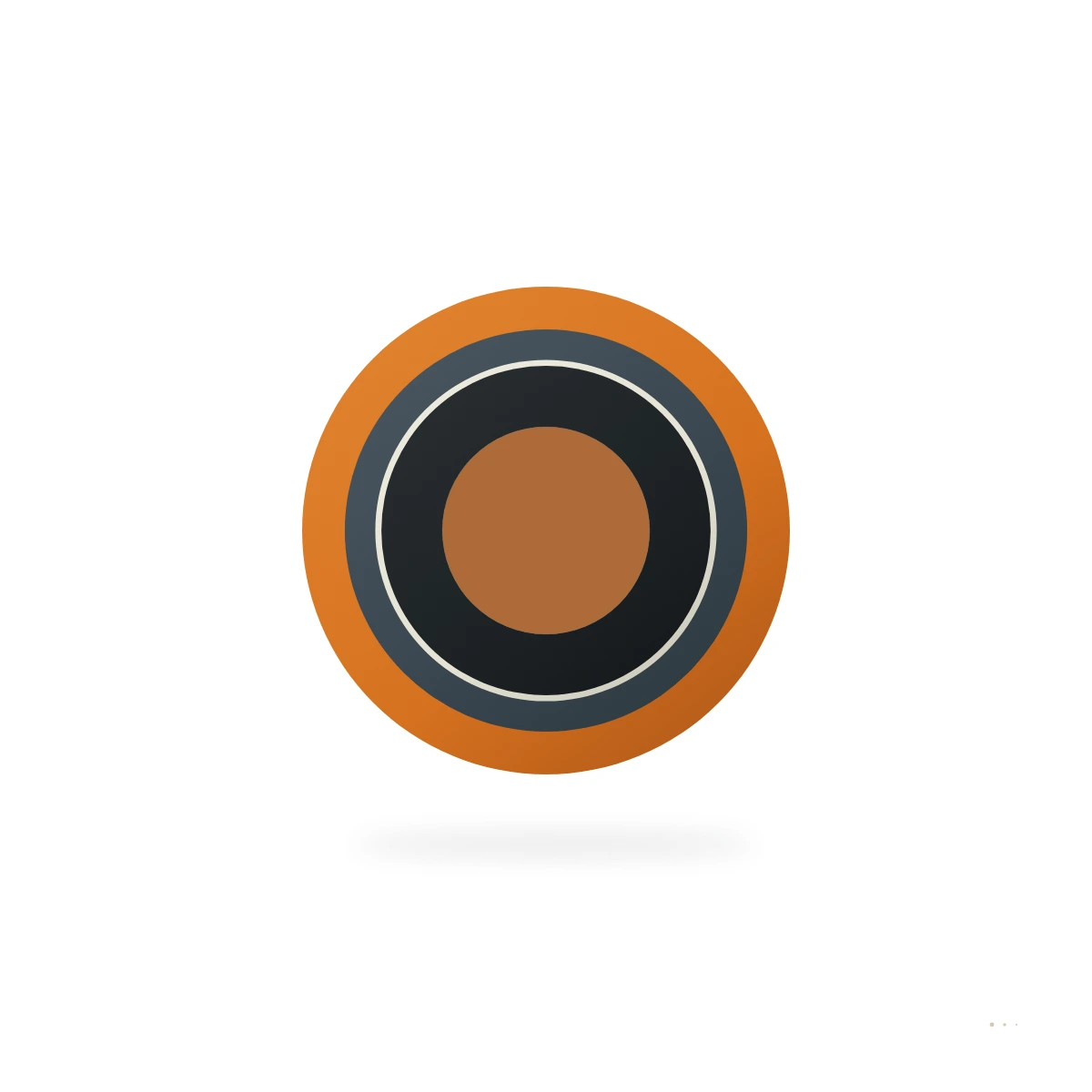
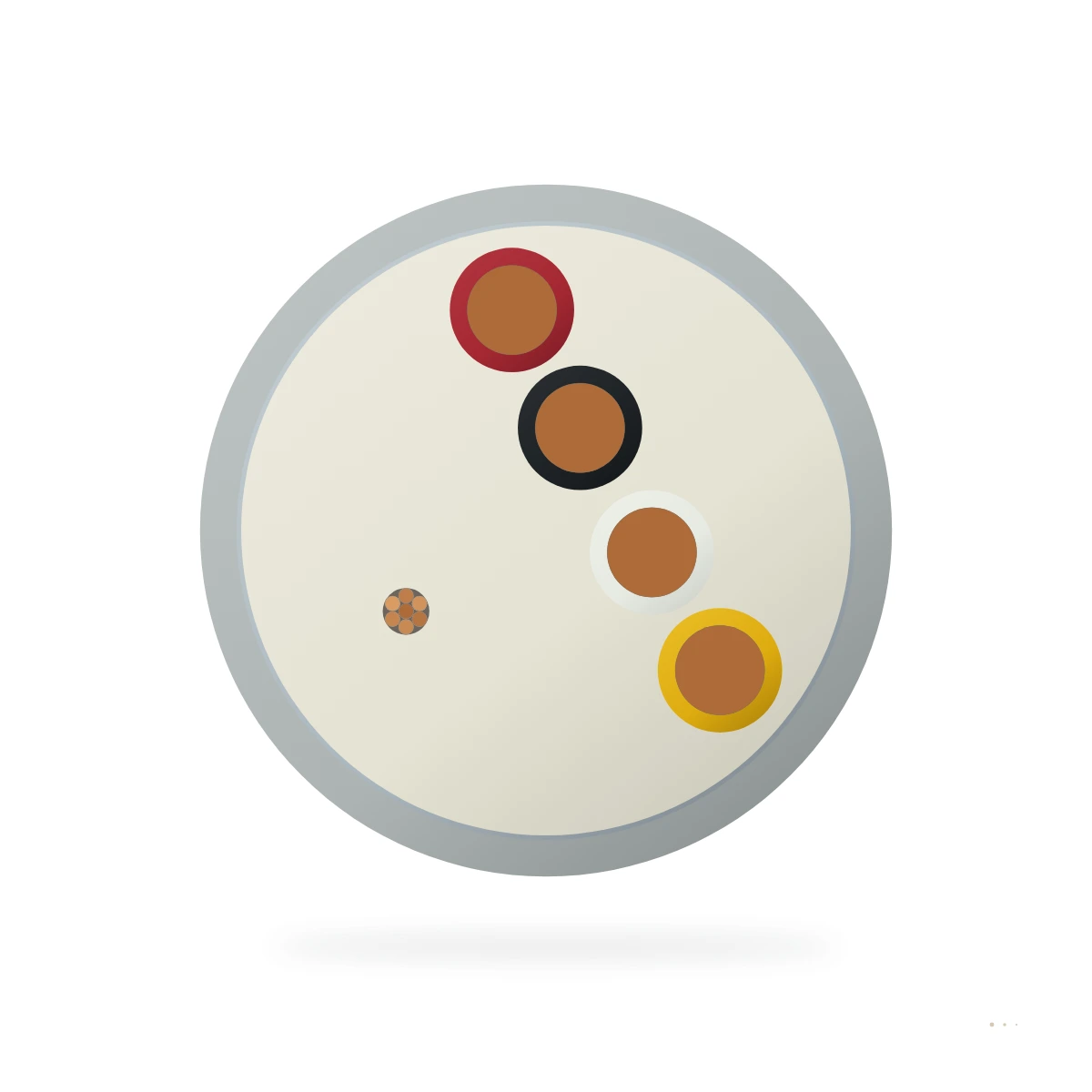
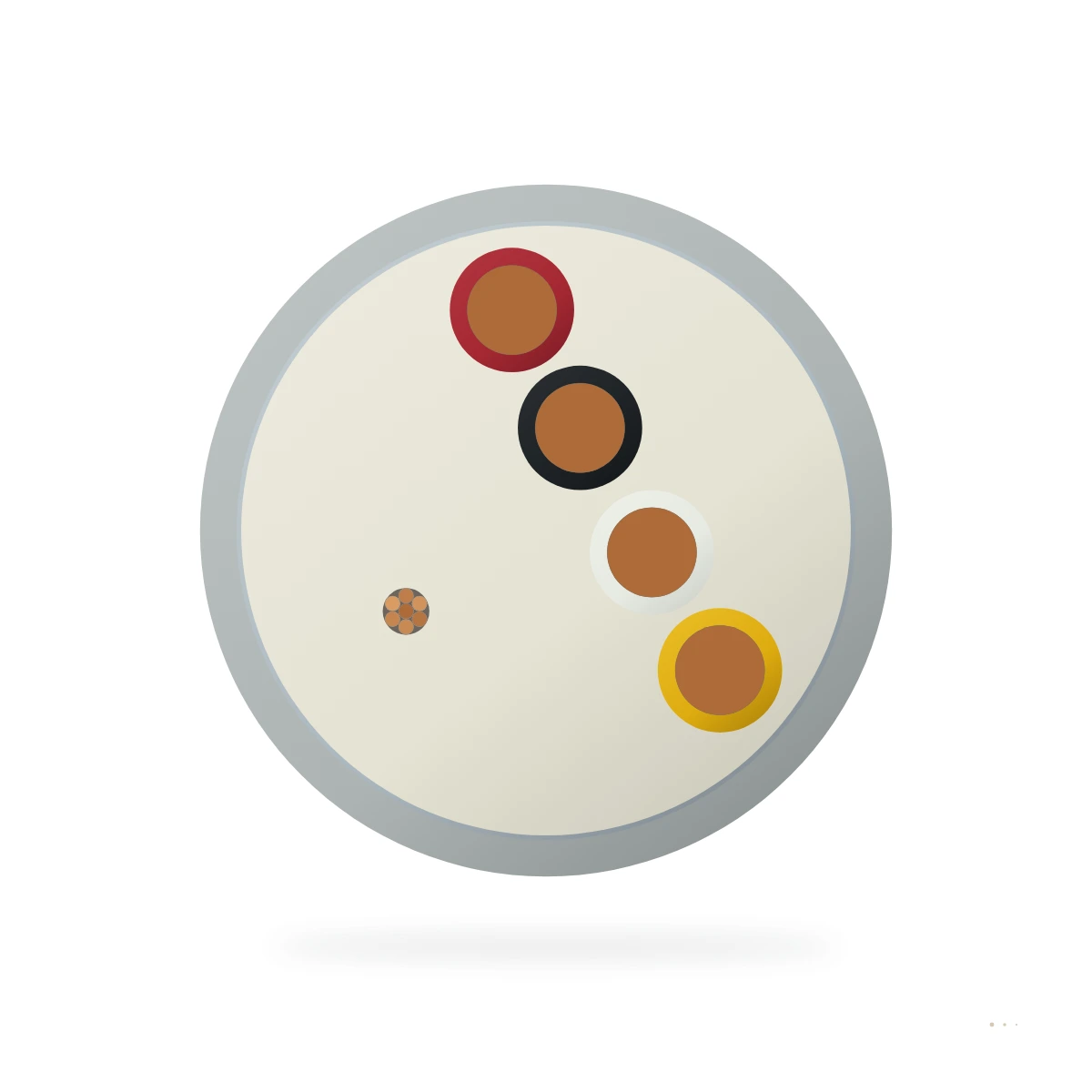
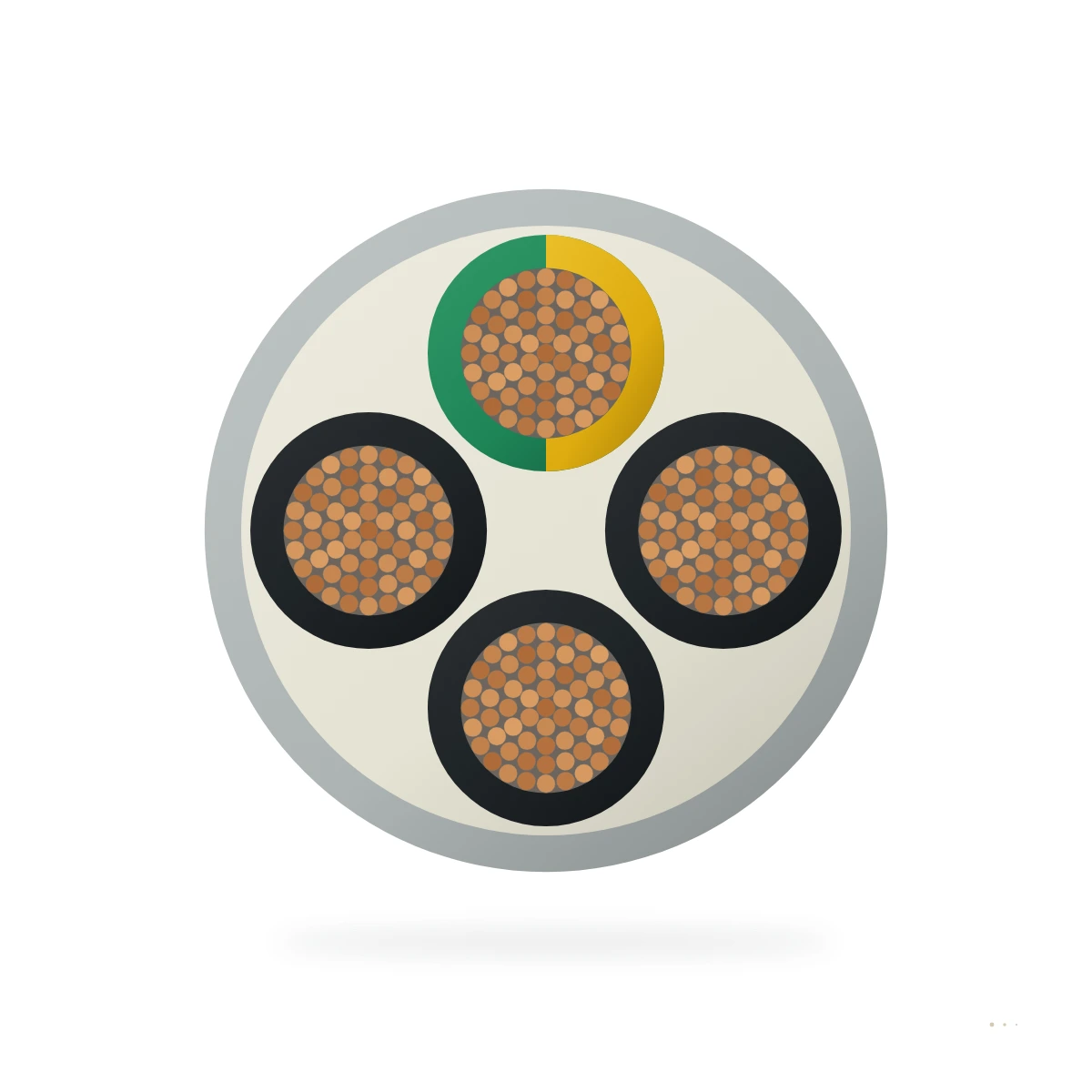
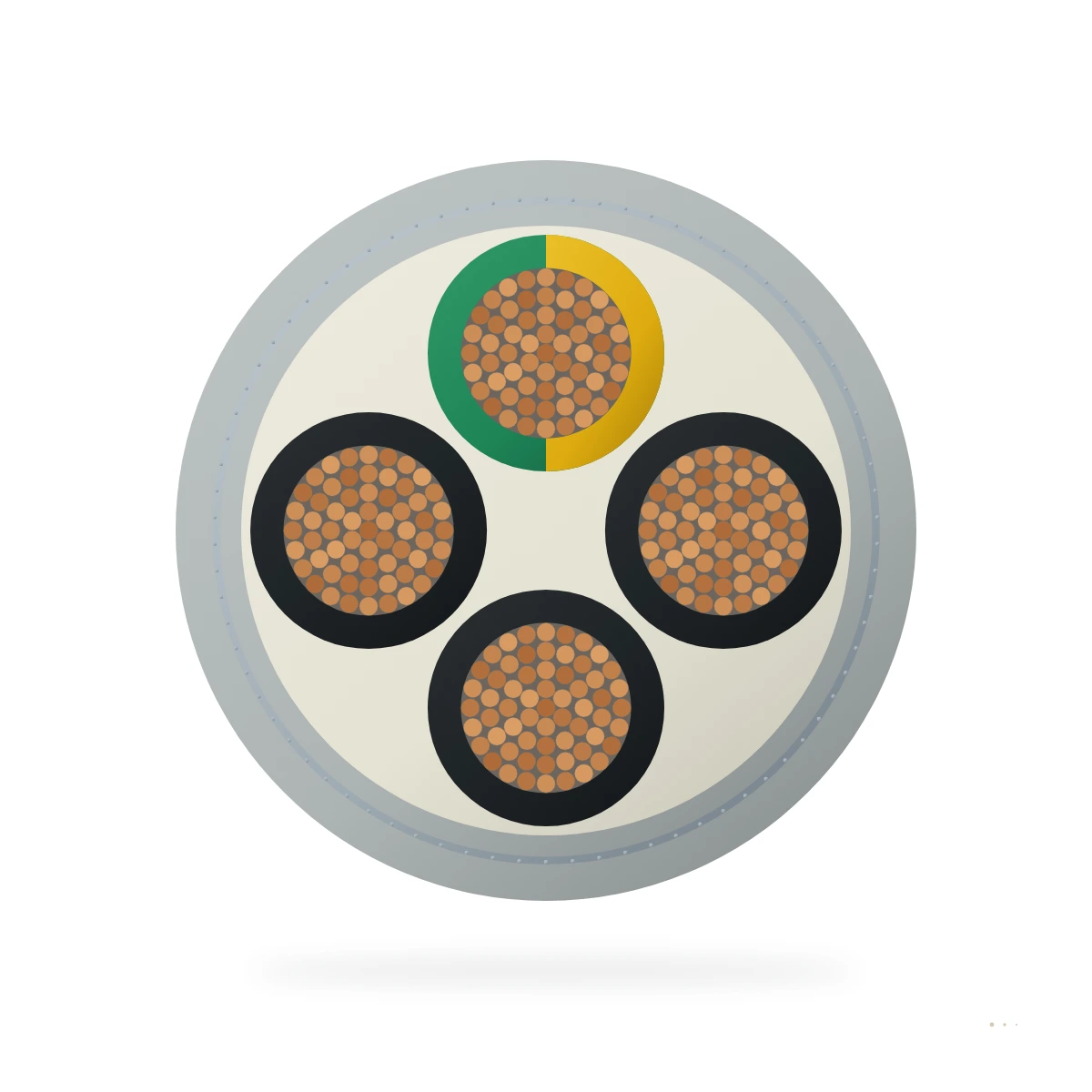
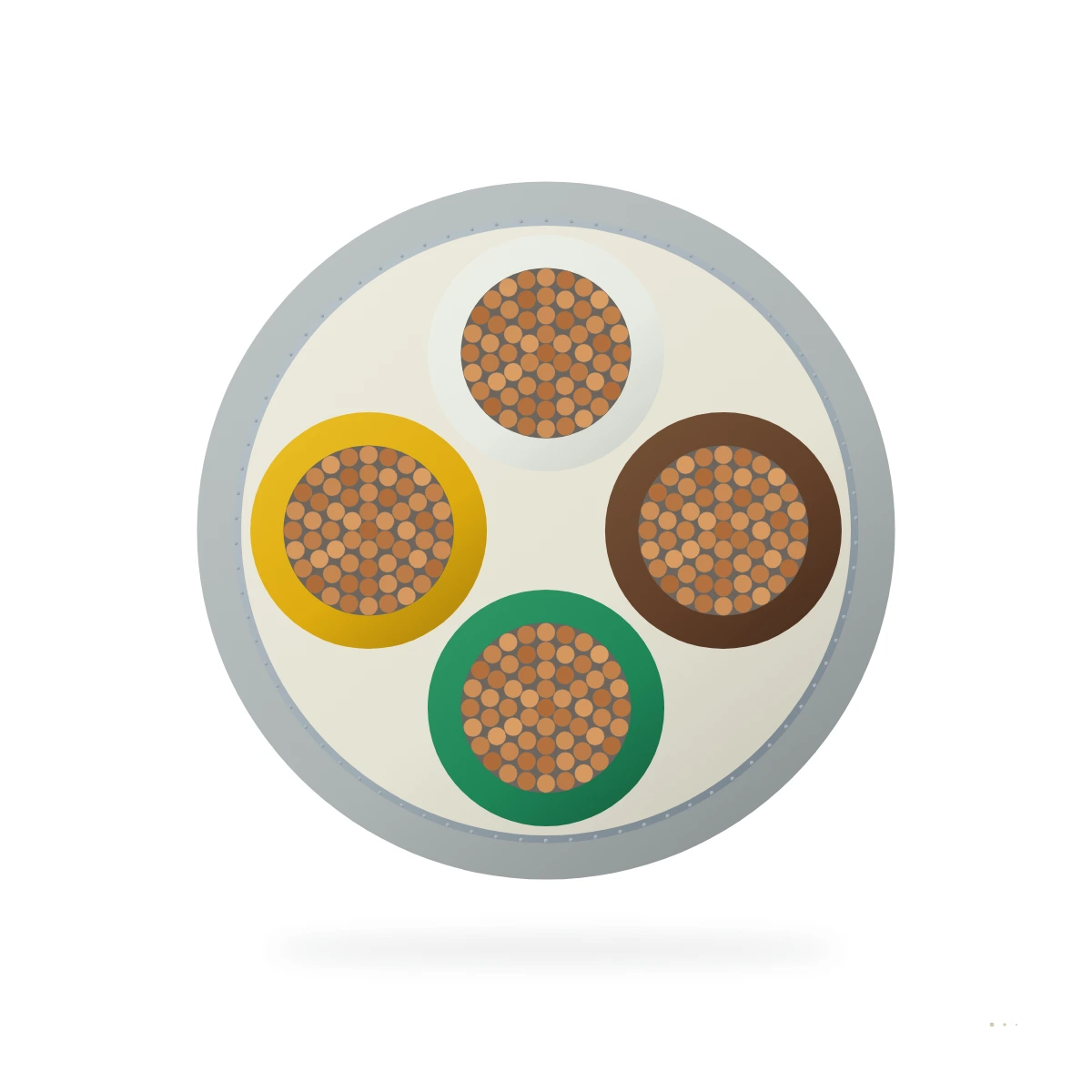
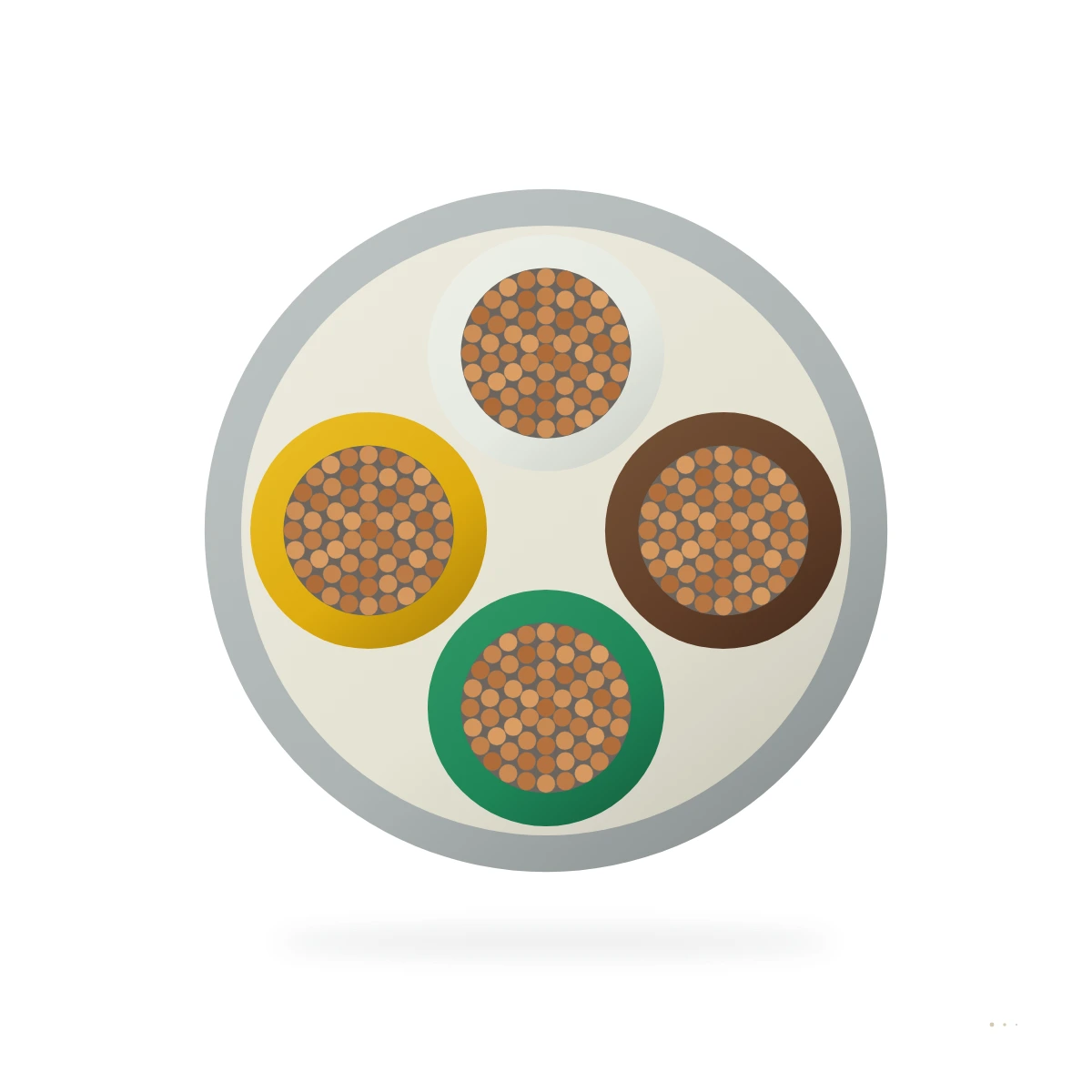


Marine, mining and field control
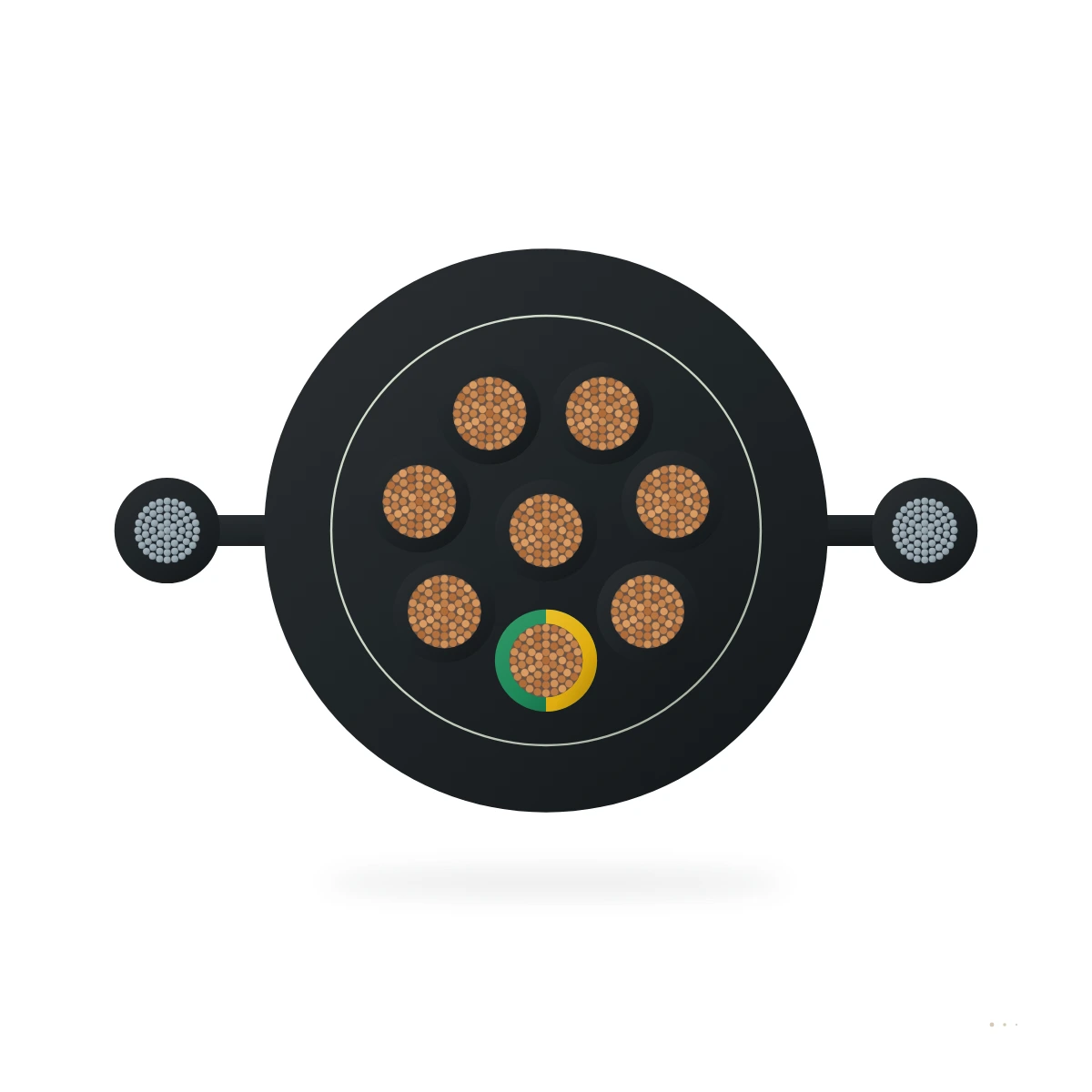
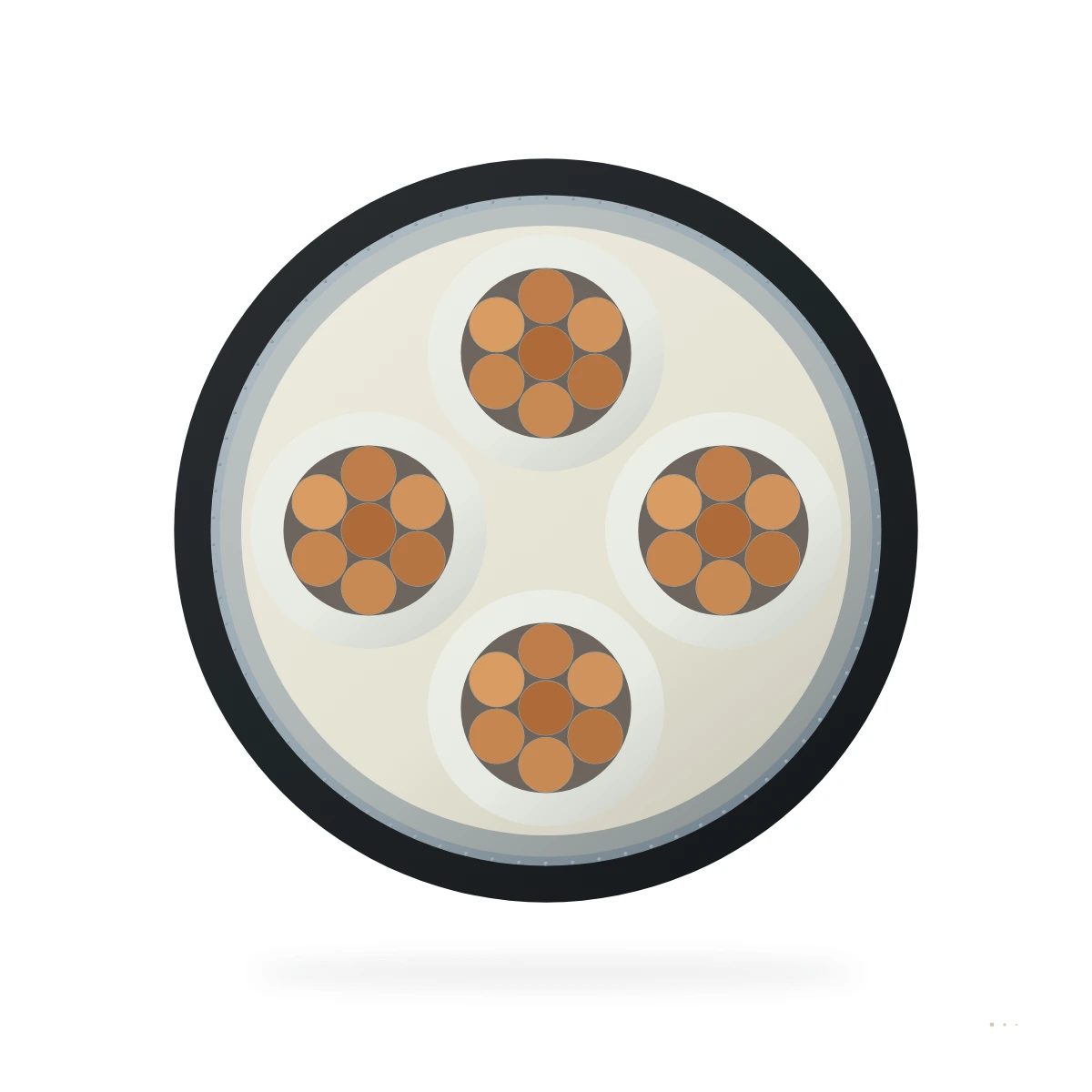
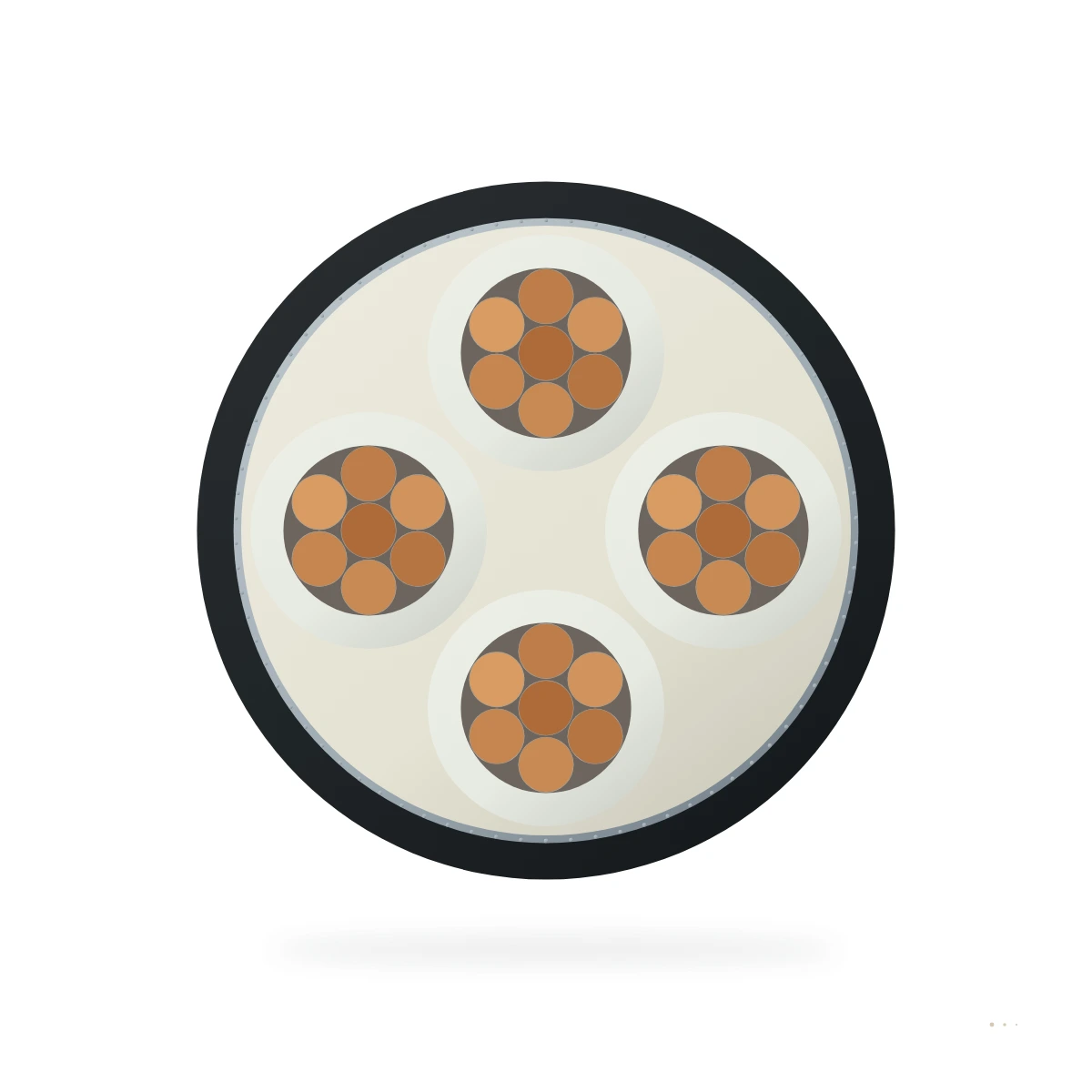
Shipboard, offshore, underground mining and tactical field-deployable control and communication cables.
18 cables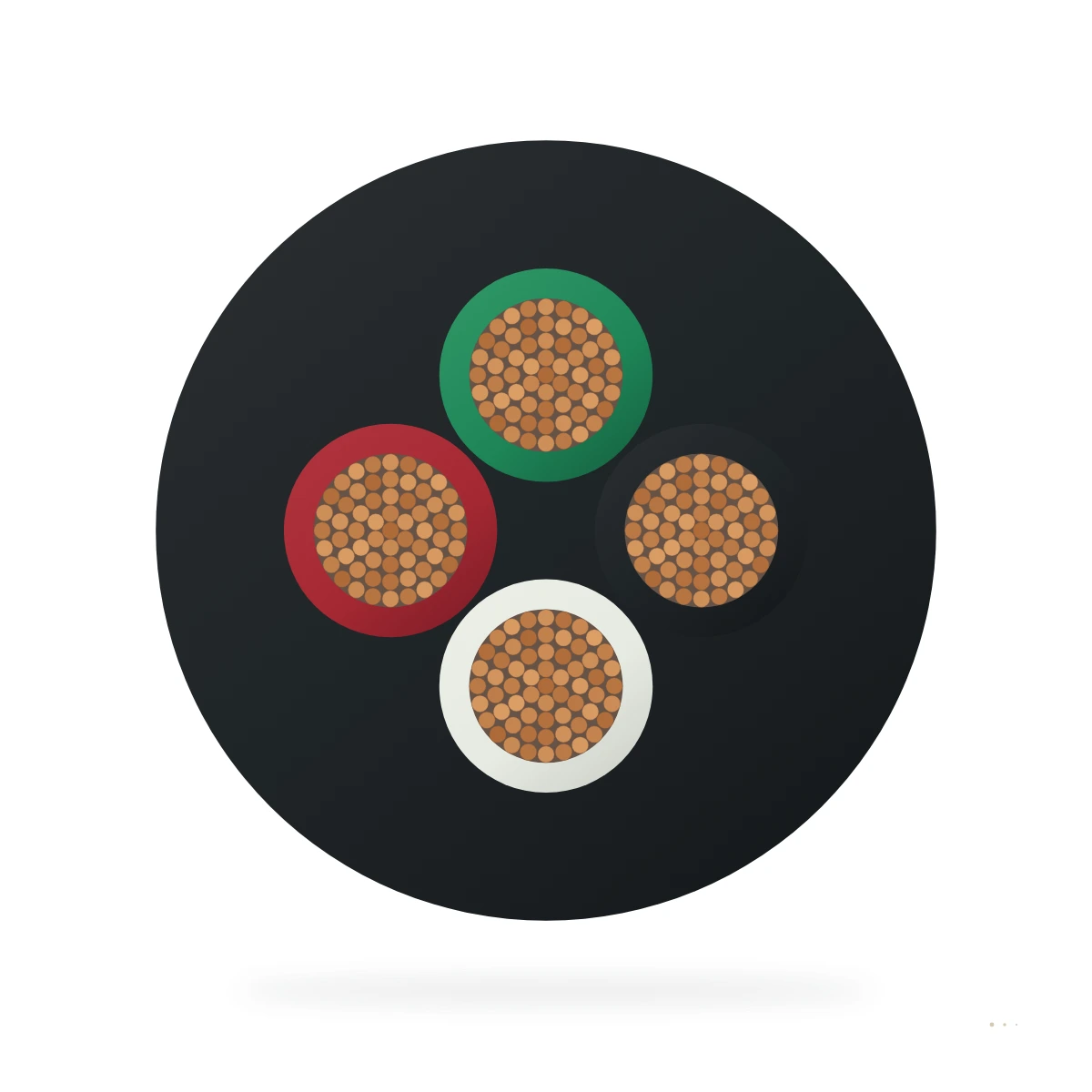
Choosing control cables
Four things decide most selections. Our engineers check the rest against your application.
Application and movement duty
- Define whether the cable runs in a fixed tray, energy chain, festoon loop, reel or trailing route.
- Match travel speed, bend radius and tensile load to the mechanical construction.
- Select a support element or armour when the cable carries suspended weight or external crush loads.
Voltage class and core layout
- Match the rated voltage U0/U to the supply system and earthing arrangement.
- Specify phase cross-sections, protective earth, pilot cores or control pairs required by the machine.
- Include copper braid, tape or semiconductive screens where EMC or electric-field control is needed.
Operating environment and sheath
- Choose rubber, PUR, LSZH, PVC, fluoropolymer or silicone sheaths for the thermal and chemical exposure.
- Verify oil, UV, water immersion, cold-flex or circuit-integrity ratings against site conditions.
- Check outer diameter and gland compatibility at both terminations.
Standard and documentation
- Confirm the governing standard family required by the project specification.
- Verify conductor class, colour code or core numbering for the destination region.
- Include operating duty and cable length in your enquiry so we can confirm the build.
Questions buyers ask
Not covered here? Send your drawing and an engineer replies within 2 business hours.
Ask on WhatsAppHow do I select the right control cable from this range?
Start by filtering the list by movement duty, voltage band and sheath material. Compare how each control cable is constructed—conductor flexibility, insulation compound, screening and outer jacket—against your machine's bending radius, travel speed and ambient temperature. Open the product page or datasheet to check core counts, cross-sections and outer diameters before sending your enquiry.
When should control cables include metallic screening or armour?
Specify a copper braid or foil screen when control cables run near variable-frequency drives, carry analogue or fieldbus signals, or require medium-voltage electric-field control. Choose steel wire braid or armour when the installation faces rock fall, crushing loads or high pulling tension in roadways, decks or subsea routes.
Which outer sheath compound suits harsh industrial environments?
Heavy-duty rubber (PCP or CPE) provides balanced mechanical toughness, weather resistance and thermal stability. Polyurethane (PUR) resists cuts, abrasion and mineral oils on fast-moving chains, reels and trolleys. Halogen-free LSZH compounds reduce smoke and acid gas in tunnels, ships and enclosed buildings, while fluoropolymers and silicone handle extreme heat.
What details should I include in an RFQ for control cables?
Include the model designation or governing standard, rated voltage, number of cores and conductor cross-sections, along with the installation method, minimum bend radius, ambient temperature range and required delivery lengths. If you are replacing an existing cable on a machine, share the sheath marking so we can match the specification.
Engineering reference
Background on how control cables are built, rated and specified.
Read the full reference
Control cable carries command, interlock, alarm and auxiliary signals between field equipment, panels and control systems. It usually contains multiple identified conductors sized for control rather than main power, although some cable families combine power and control functions. Selection depends on circuit voltage, current, signal sensitivity, core count, movement, screening, installation method and environment. A generic multicore flexible cable is not automatically suitable for every control system, and control cable should not be confused with industrial Ethernet or a protocol-specific data cable.
Typical uses include contactor and relay circuits, limit switches, solenoids, crane pendant and travel controls, alarm loops, skid wiring, marine machinery controls and auxiliary circuits on moving equipment. Fixed cables in a tray face different stresses from flat cables bending continuously in a festoon. A low-level analogue measurement may need a paired or triad instrumentation construction, while discrete control contacts may use multicore arrangements. Keeping these functions clear avoids overspecifying one circuit and underprotecting another.
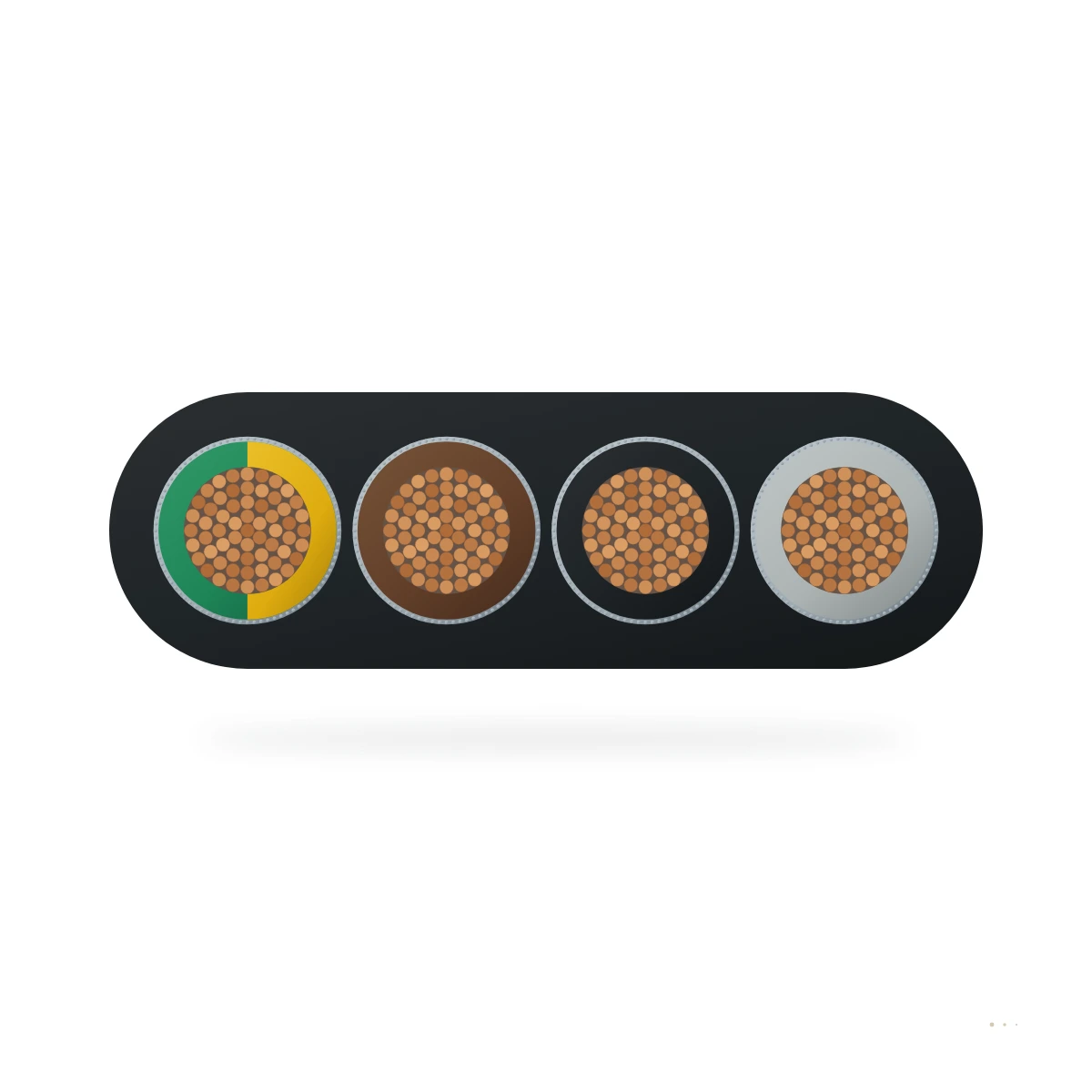
TEBAOFLEX's Control Cable range includes several product families. IEEE 1580 Type P covers marine and offshore power, control, instrumentation and dedicated VFD constructions rated 2 kV or below, with the exact function and voltage determined by model. NEK 606 BFOU/RFOU includes fixed offshore control and other cable constructions; RFOU is the flame-retardant family, while BFOU adds a fire barrier for designated critical circuits. Other products include NGFLGOU 300/500 V flat festoon cable and individually screened NGFLCGOU flat festoon cable for repeated one-plane bending. These families serve marine/offshore fixed-control and moving festoon applications; they do not represent a fieldbus, PROFINET, EtherCAT or servo-feedback product line.
Begin with the circuit schedule. State operating and maximum voltage, signal type, current, number of conductors, spare-core policy, conductor size, voltage-drop limit and protective-conductor needs. Determine whether circuits can share a cable under the applicable system and installation rules. Core numbering, colour identification and terminal scheme should be agreed before ordering, especially for high core counts or packaged equipment built for a specific project.
Screening should follow the electromagnetic environment and signal function. Motors, VFD output cables, contactors, welding equipment and long parallel power runs can couple noise into control circuits. NGFLCGOU uses individually screened cores in a flat construction, while the Type P and NEK families offer screened control or instrumentation configurations by model. Specify the screen arrangement, coverage or construction and a termination plan. Screen bonding, cable routing, separation, gland choice and panel earthing all affect system behaviour; a shielded cable alone cannot guarantee a noise-free control loop.
Mechanical selection starts by classifying the route as fixed, occasionally flexed or continuously moving. The flat NGFLGOU and NGFLCGOU families are designed for festoon systems and one-plane bending. Their core count, size, dimensions, bend radius, travel speed and tensile load are model-specific. For a festoon RFQ, provide loop depth, trolley and saddle dimensions, travel distance, speed, acceleration and cycles. For a fixed Type P or NEK cable, provide tray, conduit, gland, armour and pulling requirements instead. Use a fixed offshore construction in a moving route only when its published data covers that duty.
Environmental and fire requirements can be decisive. Offshore installations may require halogen-free sheaths, flame propagation limits, fire resistance for emergency circuits, mud resistance or specific armour. Festoon cables may face oil, sunlight, ozone, moisture, abrasion and temperature cycling. NEK 606 listings distinguish SHF2 halogen-free outer sheaths on common constructions and BFOU fire-resistant from RFOU flame-retardant families. These properties are construction-specific, so state the required fire test, cable designation and document scope in the enquiry.
Standards should reflect the installation, not be added after cable selection. IEEE 1580 Type P and NEK 606 address marine/offshore cable contexts, while NGFLGOU and NGFLCGOU are associated with VDE/DIN families. State whether the project needs a standard-based construction, third-party approval, class documentation or only specified technical performance. Within each family, approval, armour, voltage and fire performance still vary by construction.
For an RFQ, provide the equipment and control-system context, circuit list, voltage and current, conductor size, core count and spares, shield arrangement, grounding/termination plan, fixed or moving duty, bend radius and motion data, cable route and length, armour or mechanical protection, oil/water/UV/temperature exposure, fire and halogen requirements, governing standard, required approval documents, sheath marking, drum lengths, destination and quantity.
For replacement enquiries, include the installed cable marking, core identification and termination method so the new cable can be matched to the same circuit and movement duty.
Products in this range serve distinct roles, for example Type P or BFOU/RFOU for marine and offshore fixed installations, and NGFLGOU or NGFLCGOU for flat festoon movement. Choose the exact construction and documentary scope against the control circuit and project specification.