
Heating cables
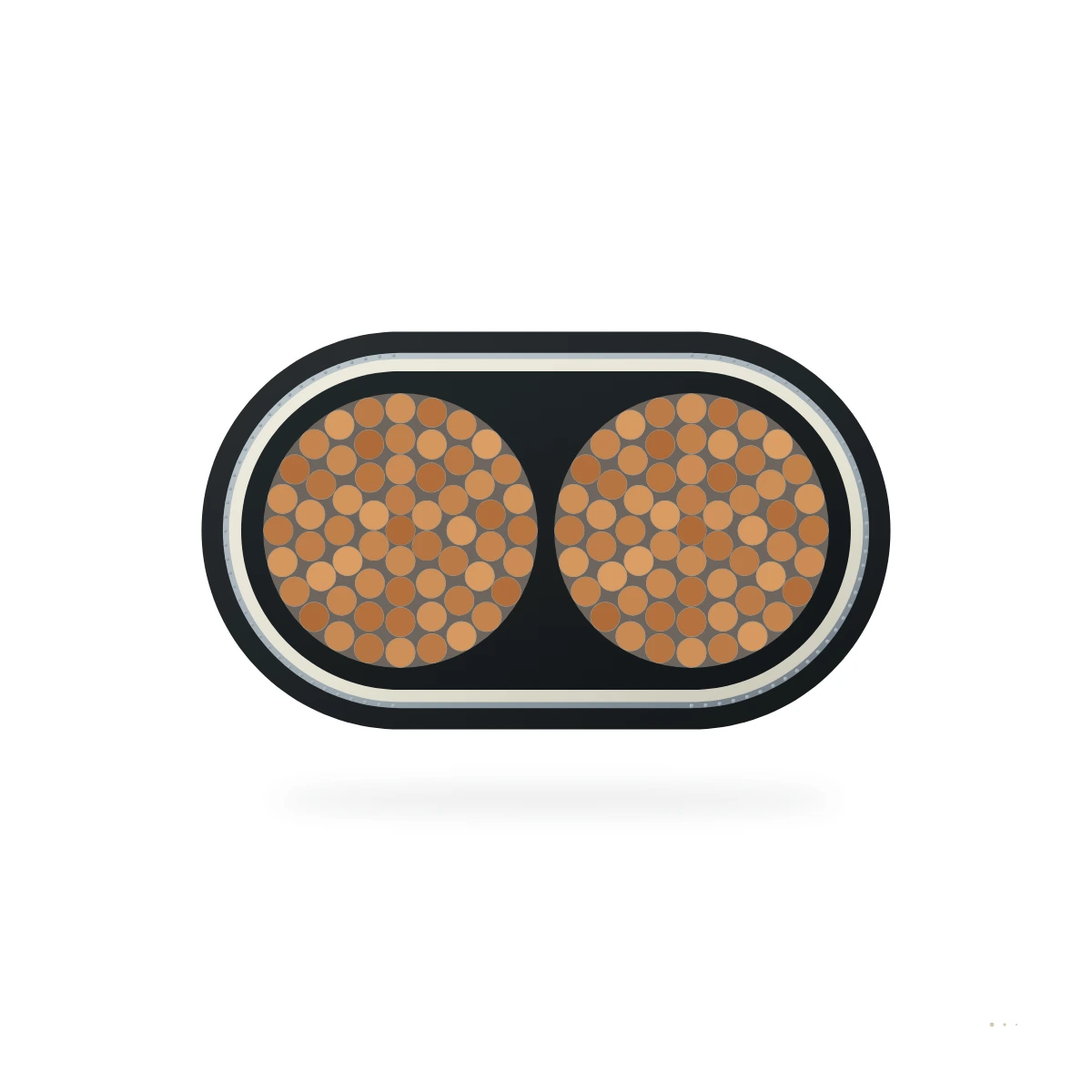
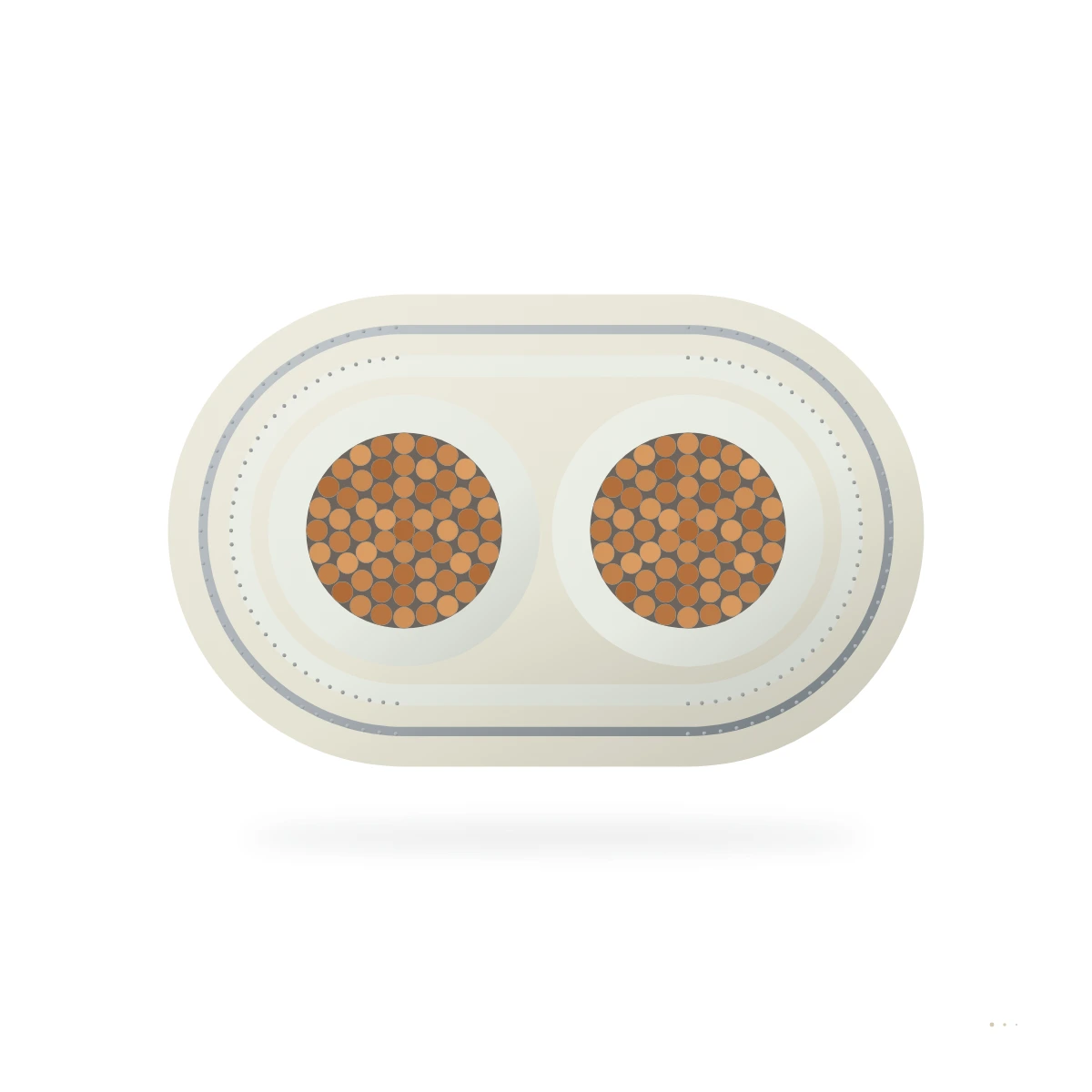
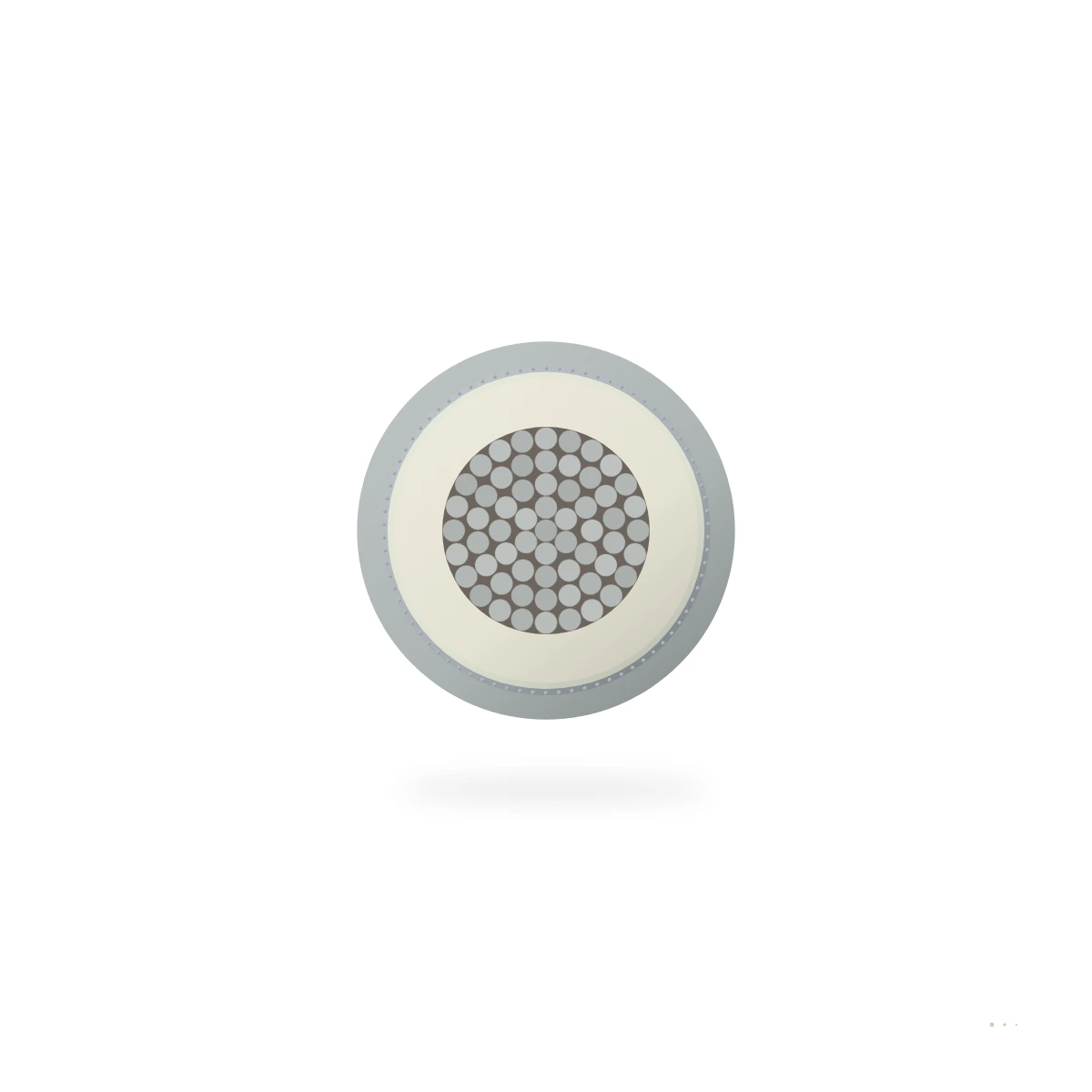
Self-regulating, parallel constant-wattage, series-resistance and mineral-insulated electric heat-tracing cables engineered for pipe freeze protection, tank heating and industrial process temperature control.
5 heating cables
All cables in this range.
Electric heat-tracing cables
Self-regulating, constant-wattage, series-resistance and mineral-insulated heating cables.
5 cables

Choosing heating cables
Four things decide most selections. Our engineers check the rest against your application.
Application and movement duty
- Define whether the cable runs in a fixed tray, energy chain, festoon loop, reel or trailing route.
- Match travel speed, bend radius and tensile load to the mechanical construction.
- Select a support element or armour when the cable carries suspended weight or external crush loads.
Voltage class and core layout
- Match the rated voltage U0/U to the supply system and earthing arrangement.
- Specify phase cross-sections, protective earth, pilot cores or control pairs required by the machine.
- Include copper braid, tape or semiconductive screens where EMC or electric-field control is needed.
Operating environment and sheath
- Choose rubber, PUR, LSZH, PVC, fluoropolymer or silicone sheaths for the thermal and chemical exposure.
- Verify oil, UV, water immersion, cold-flex or circuit-integrity ratings against site conditions.
- Check outer diameter and gland compatibility at both terminations.
Standard and documentation
- Confirm the governing standard family required by the project specification.
- Verify conductor class, colour code or core numbering for the destination region.
- Include operating duty and cable length in your enquiry so we can confirm the build.
Questions buyers ask
Not covered here? Send your drawing and an engineer replies within 2 business hours.
Ask on WhatsAppHow do I select the right heating cable from this range?
Start by filtering the list by movement duty, voltage band and sheath material. Compare how each heating cable is constructed—conductor flexibility, insulation compound, screening and outer jacket—against your machine's bending radius, travel speed and ambient temperature. Open the product page or datasheet to check core counts, cross-sections and outer diameters before sending your enquiry.
When should heating cables include metallic screening or armour?
Specify a copper braid or foil screen when heating cables run near variable-frequency drives, carry analogue or fieldbus signals, or require medium-voltage electric-field control. Choose steel wire braid or armour when the installation faces rock fall, crushing loads or high pulling tension in roadways, decks or subsea routes.
Which outer sheath compound suits harsh industrial environments?
Heavy-duty rubber (PCP or CPE) provides balanced mechanical toughness, weather resistance and thermal stability. Polyurethane (PUR) resists cuts, abrasion and mineral oils on fast-moving chains, reels and trolleys. Halogen-free LSZH compounds reduce smoke and acid gas in tunnels, ships and enclosed buildings, while fluoropolymers and silicone handle extreme heat.
What details should I include in an RFQ for heating cables?
Include the model designation or governing standard, rated voltage, number of cores and conductor cross-sections, along with the installation method, minimum bend radius, ambient temperature range and required delivery lengths. If you are replacing an existing cable on a machine, share the sheath marking so we can match the specification.
Engineering reference
Background on how heating cables are built, rated and specified.
Read the full reference
Heating cables cover industrial constructions engineered for reliable electrical transmission under defined mechanical, thermal and environmental stresses. Selecting the right build requires matching conductor stranding, insulation system, screening and outer sheath compound to the actual installation route rather than relying on nominal cross-section alone.
Across the TEBAOFLEX heating cables portfolio, models are grouped into functional families so engineers can filter by duty, voltage band, standard family and jacket compound. Each construction addresses a specific balance of flexibility, dielectric strength, electromagnetic compatibility and resistance to oil, water, UV radiation or flame propagation.
Before finalizing a specification, verify the governing national or international standard, operating voltage U0/U, ambient temperature range and minimum bending radius in fixed or moving duty. Where cables interface with connectors, glands or motor terminal boxes, check nominal outer diameter and screen termination geometry early.
When submitting an RFQ for heating cables, specify the model designation, core count and cross-sections, system voltage, installation method, environmental exposure and required drum or assembly lengths so our engineering team can confirm the exact construction and datasheet.