
Renewable Energy & EV Charging Cables
Torsion-resistant wind turbine loop cables, solar photovoltaic string wires and liquid-cooled charging cables.
How does the cable move?
Pick one or more duties — the list below updates.
34 renewable energy & ev charging cables
Subsea umbilical & tow cables
ROV umbilicals, tethers, diver umbilicals and armoured tow cables for subsea work.
1 cable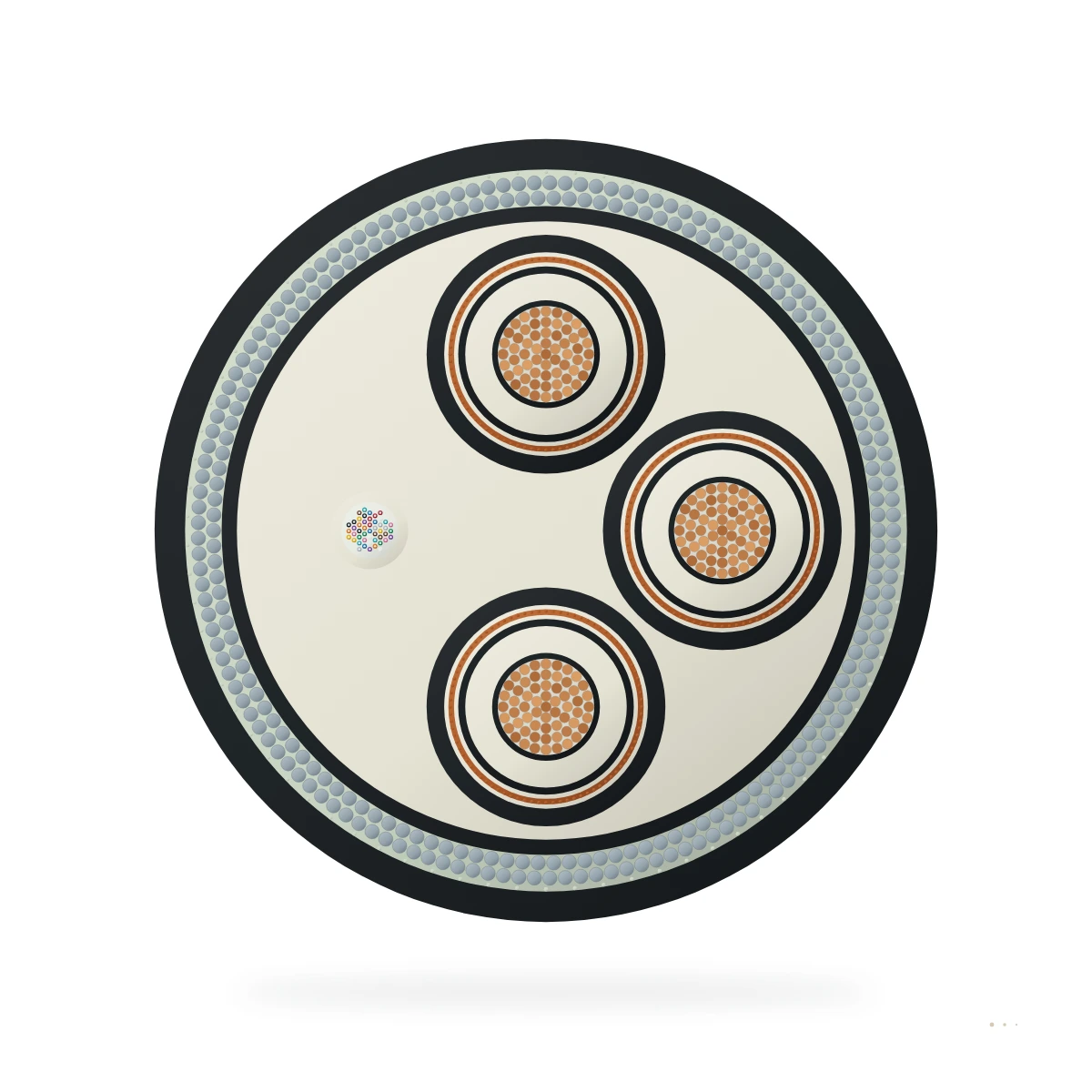
Fiber-optic cables
Single-mode and multimode fibre cables for reels, festoons and moving equipment.
1 cable
Industrial data & RF cables
PROFINET, PROFIBUS, CAN bus, RS-485 and coaxial cables for industrial networks.
1 cable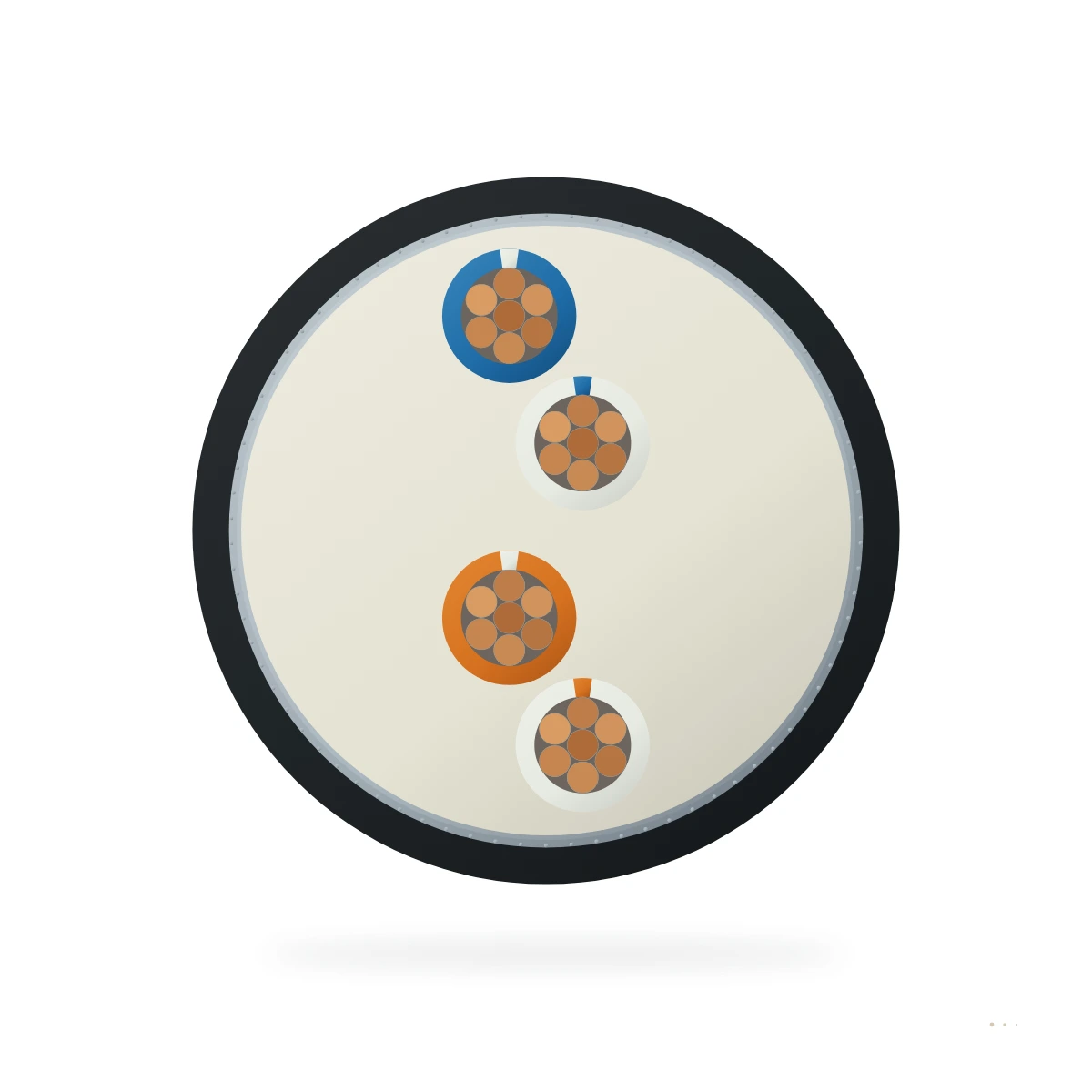
Hook-up wire & equipment cables
Equipment wires for panels, vehicles and rolling stock, from UL AWM to EN 50306.
1 cable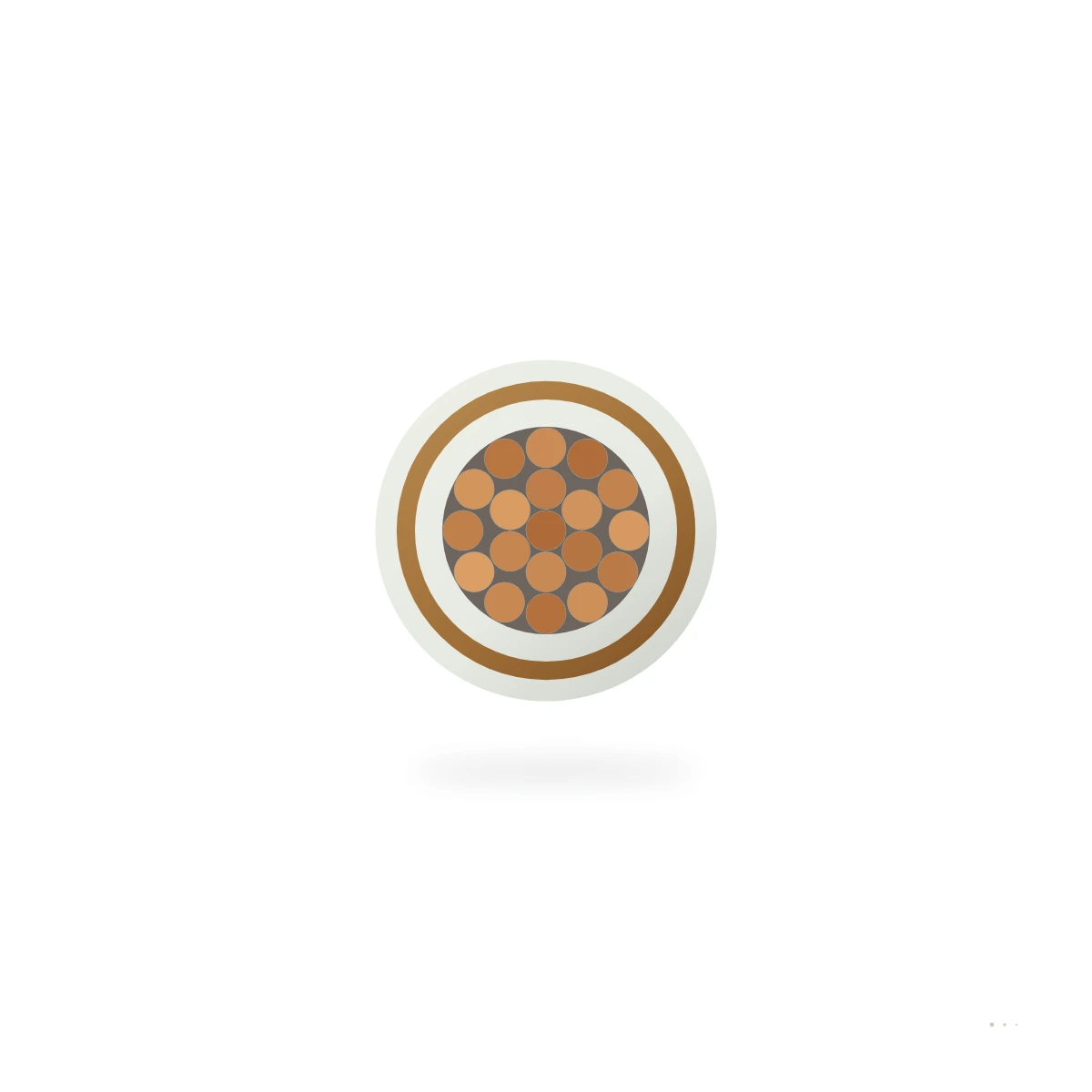
Power & connection cables
From 100 V welding leads to 45 kV feeders, with portable cords, EV charging and solar cables.
25 cables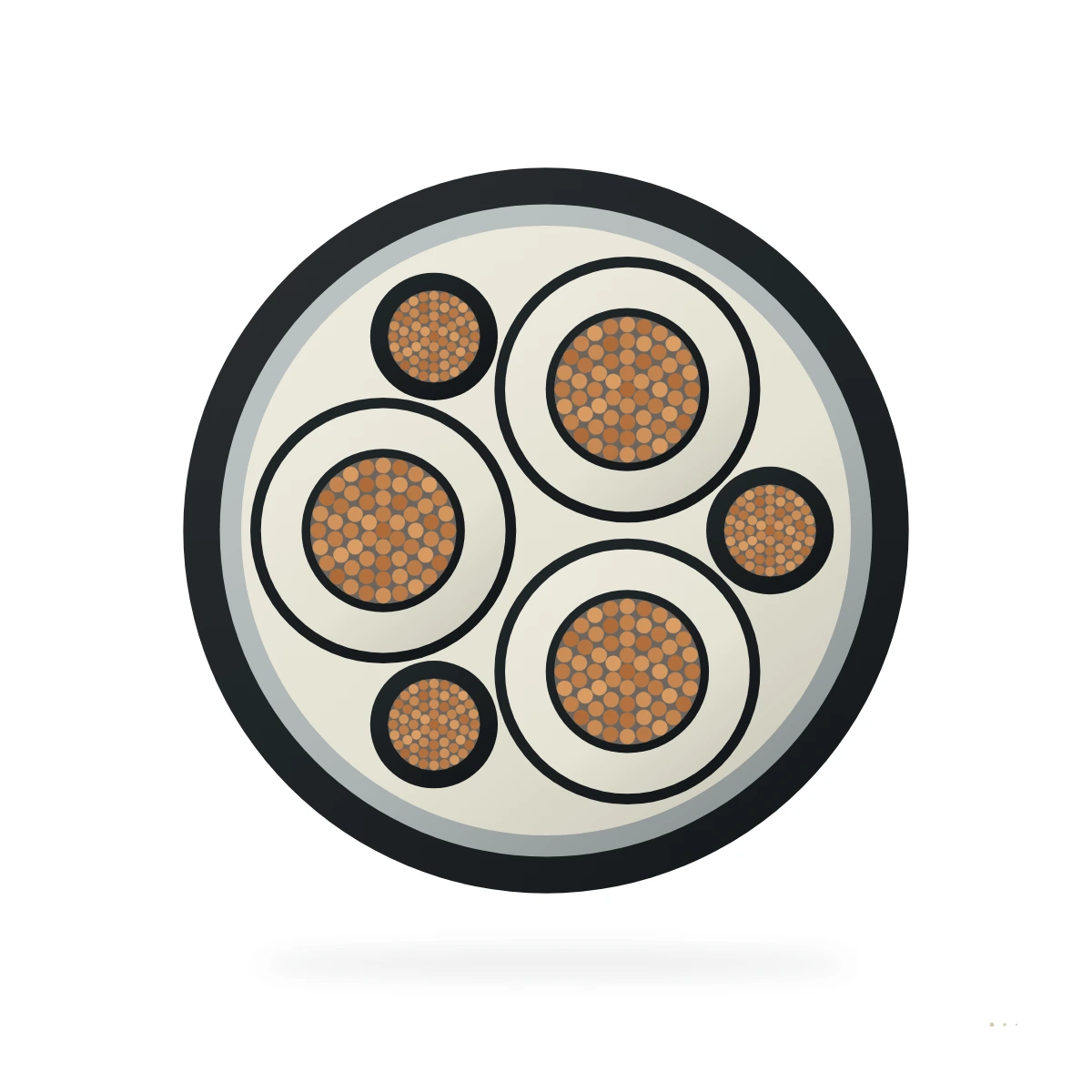
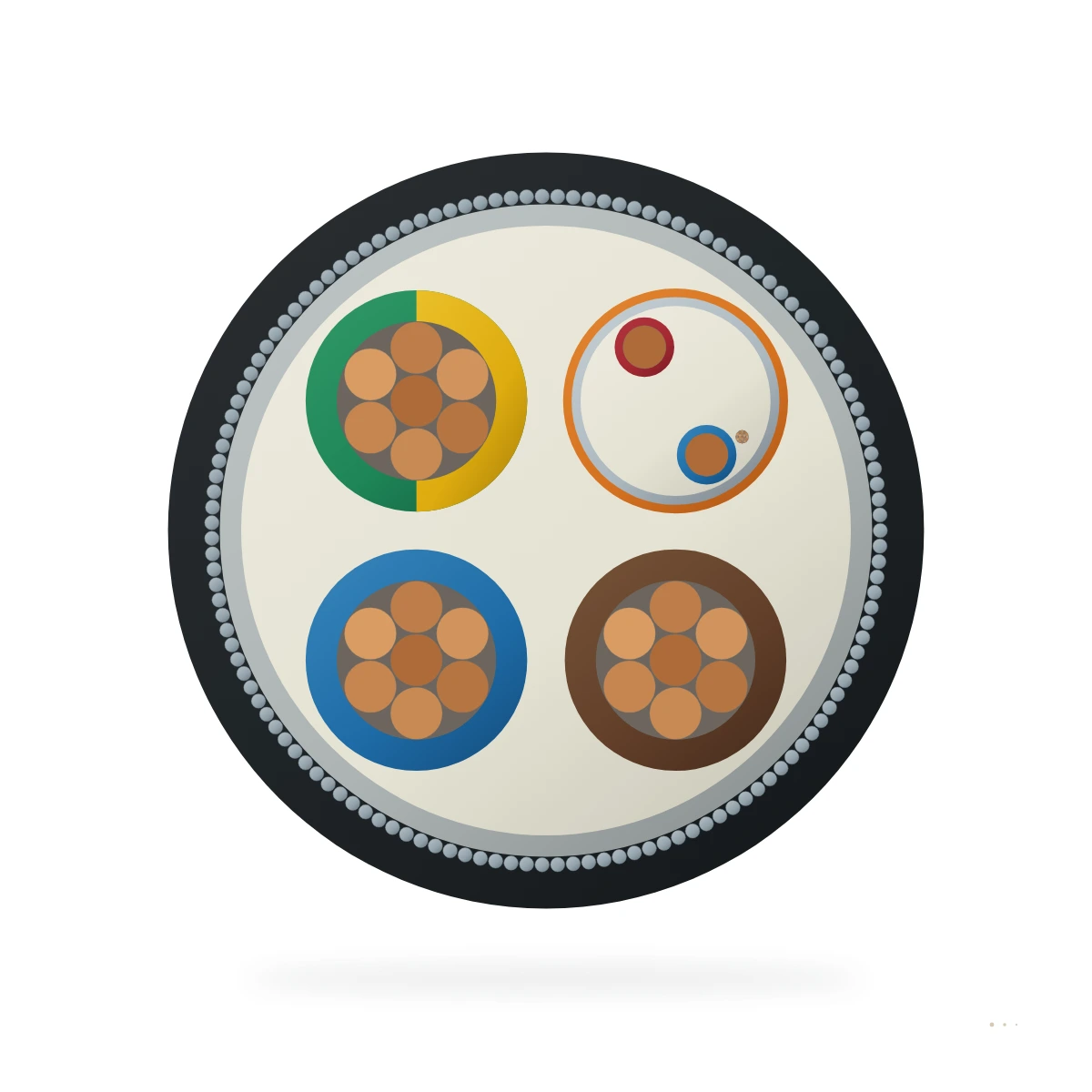
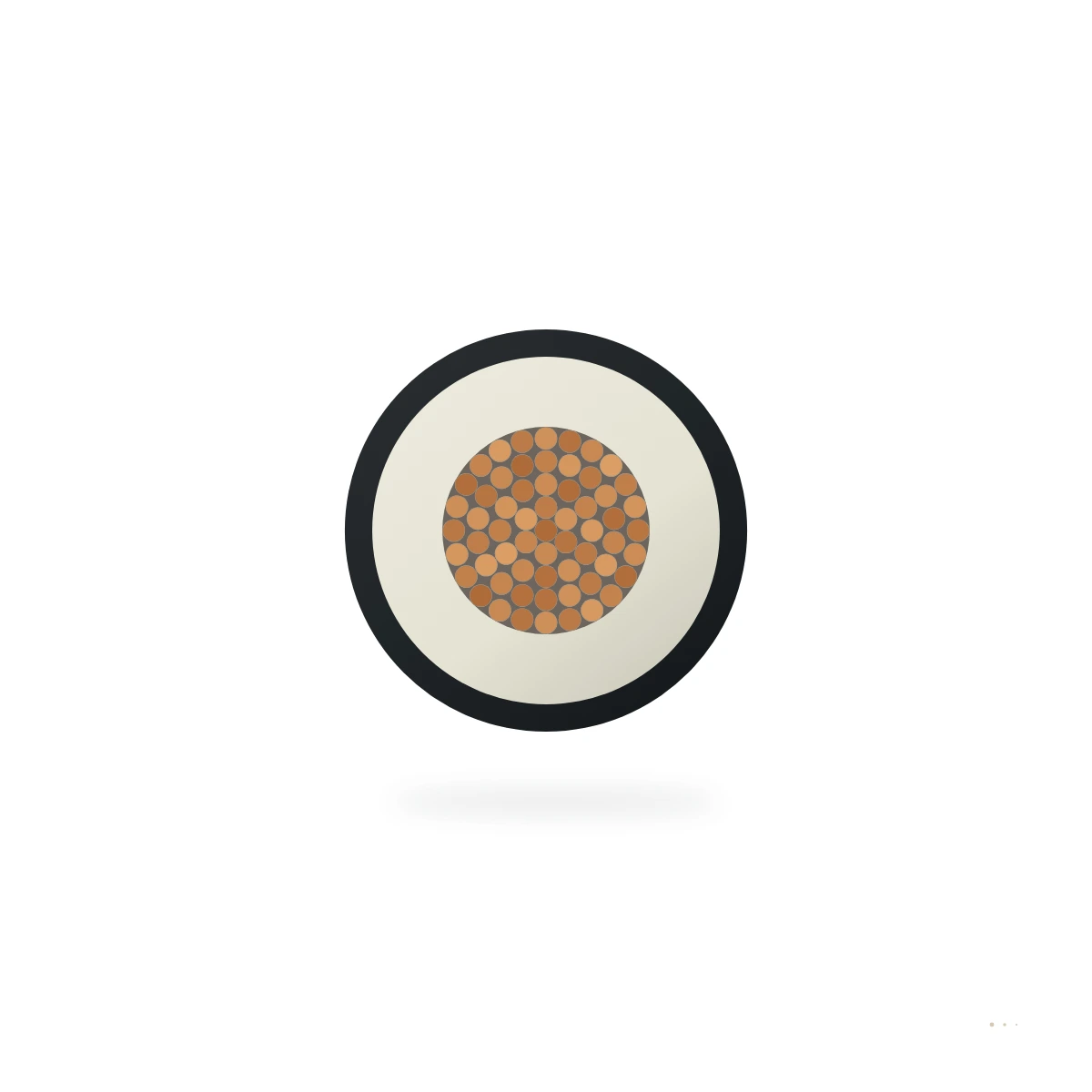
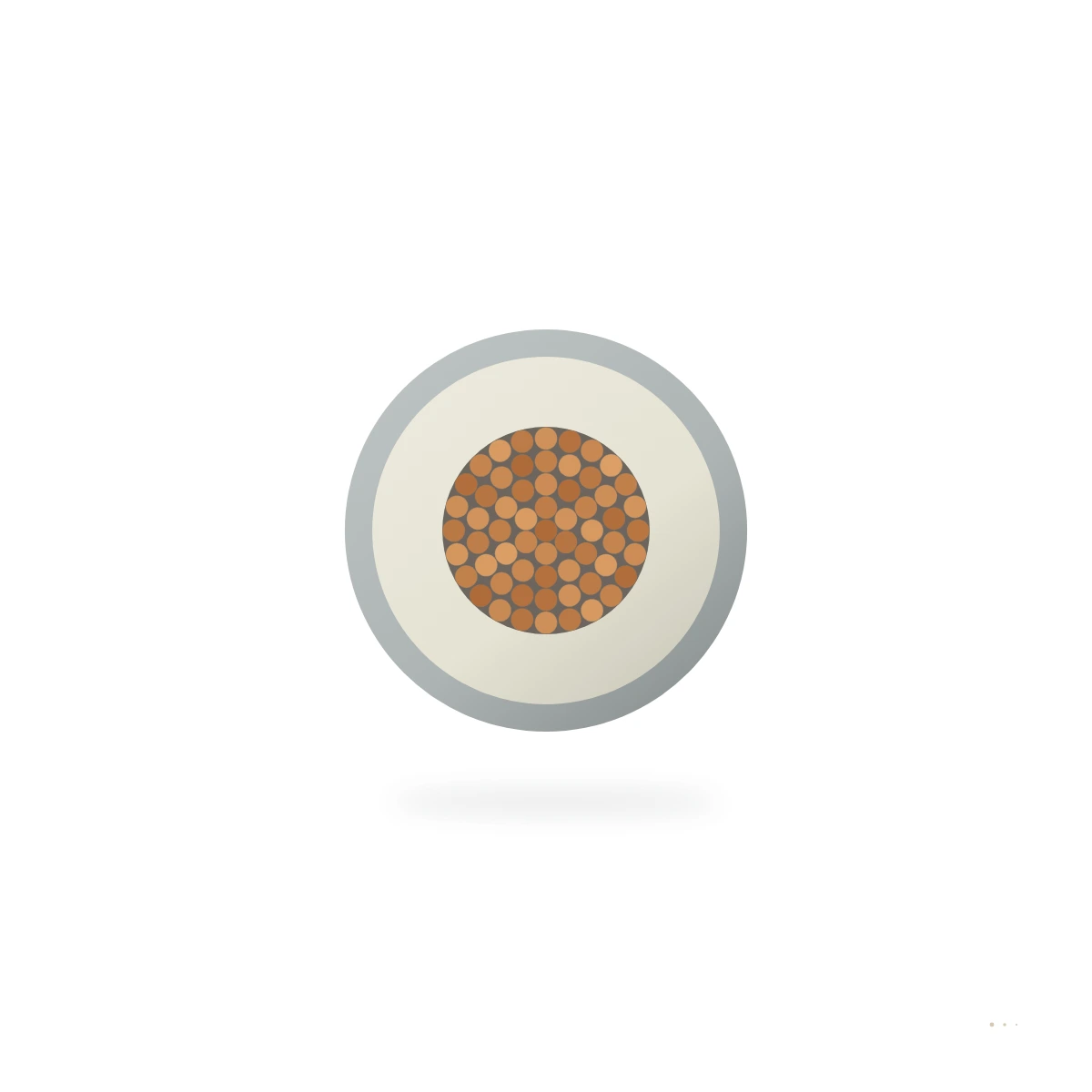
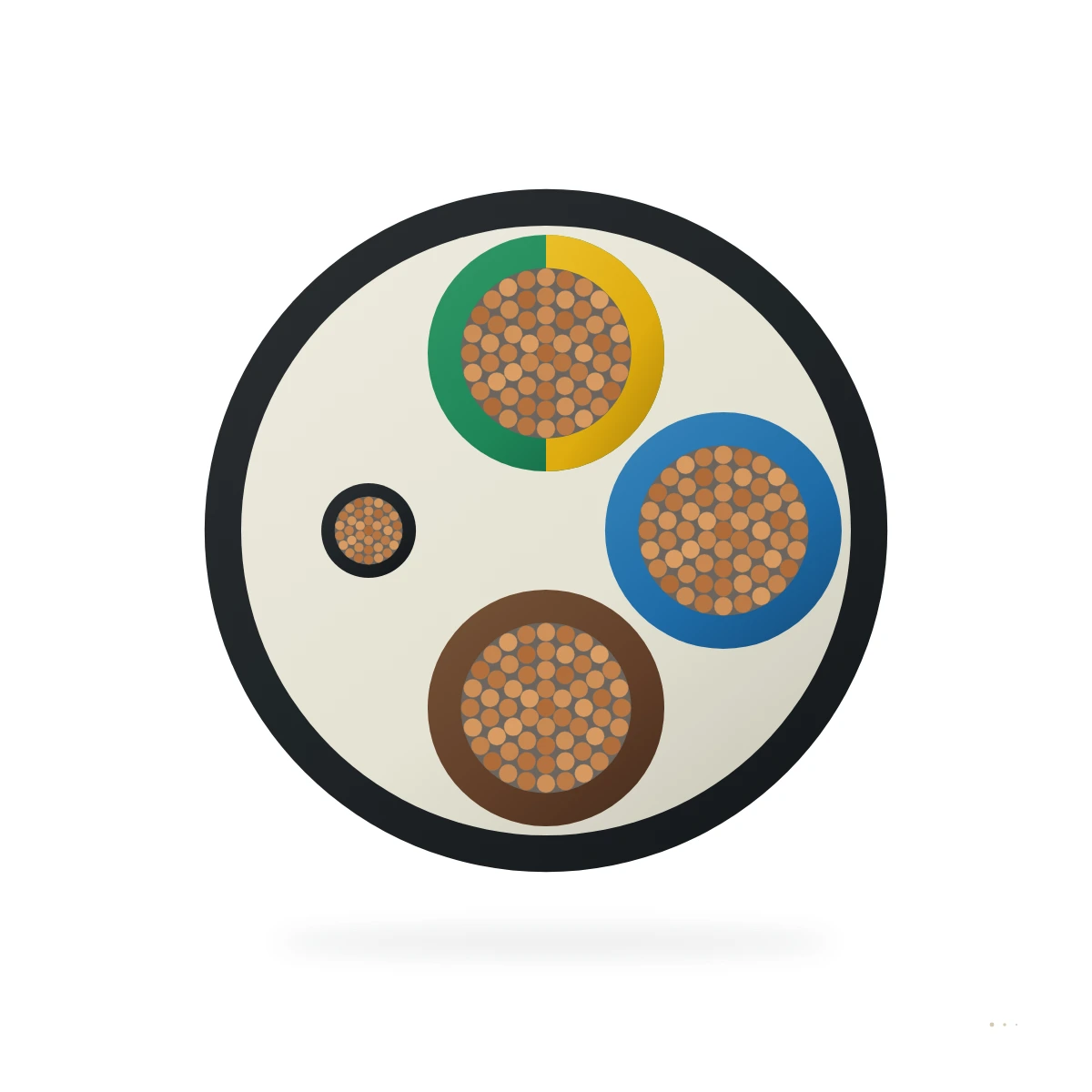
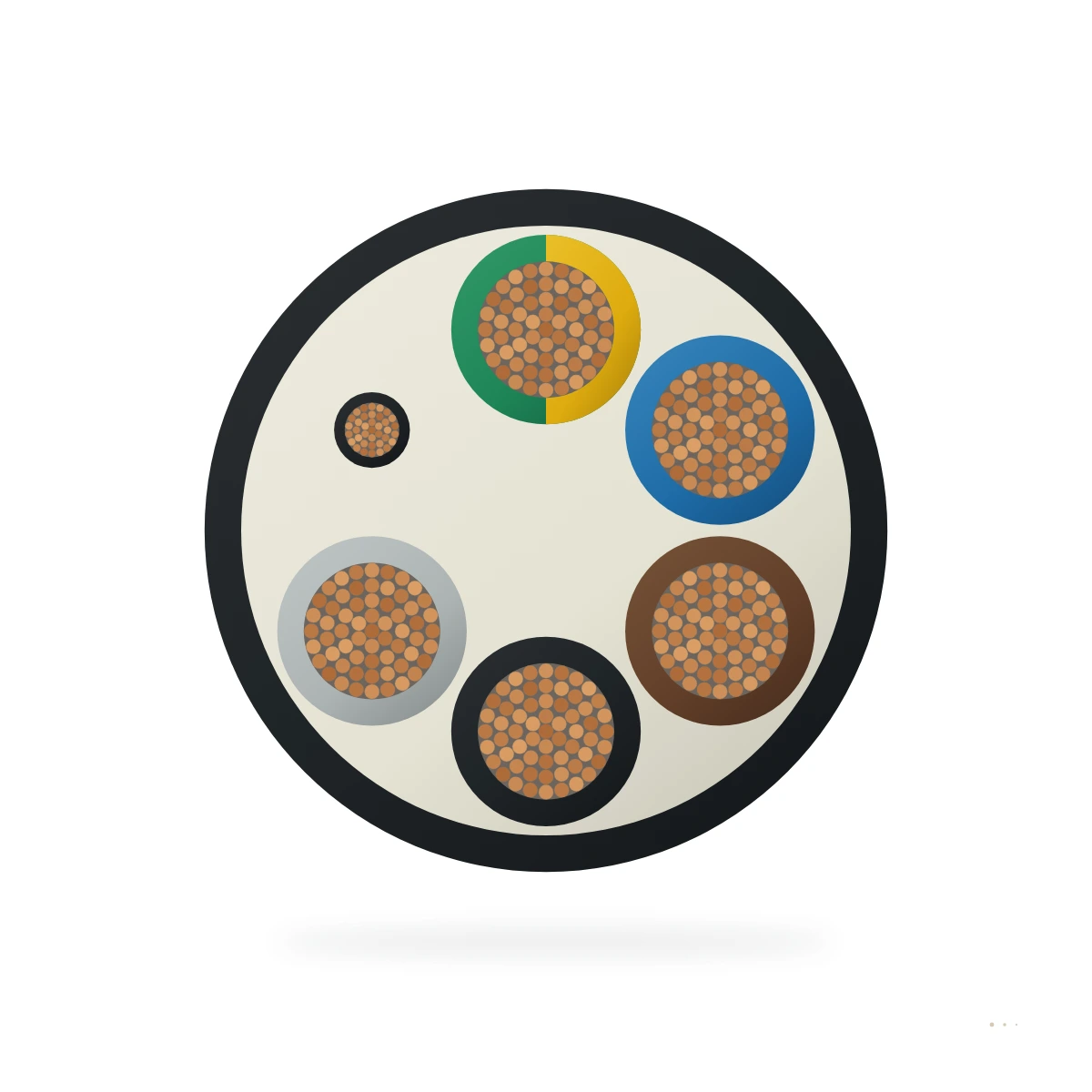
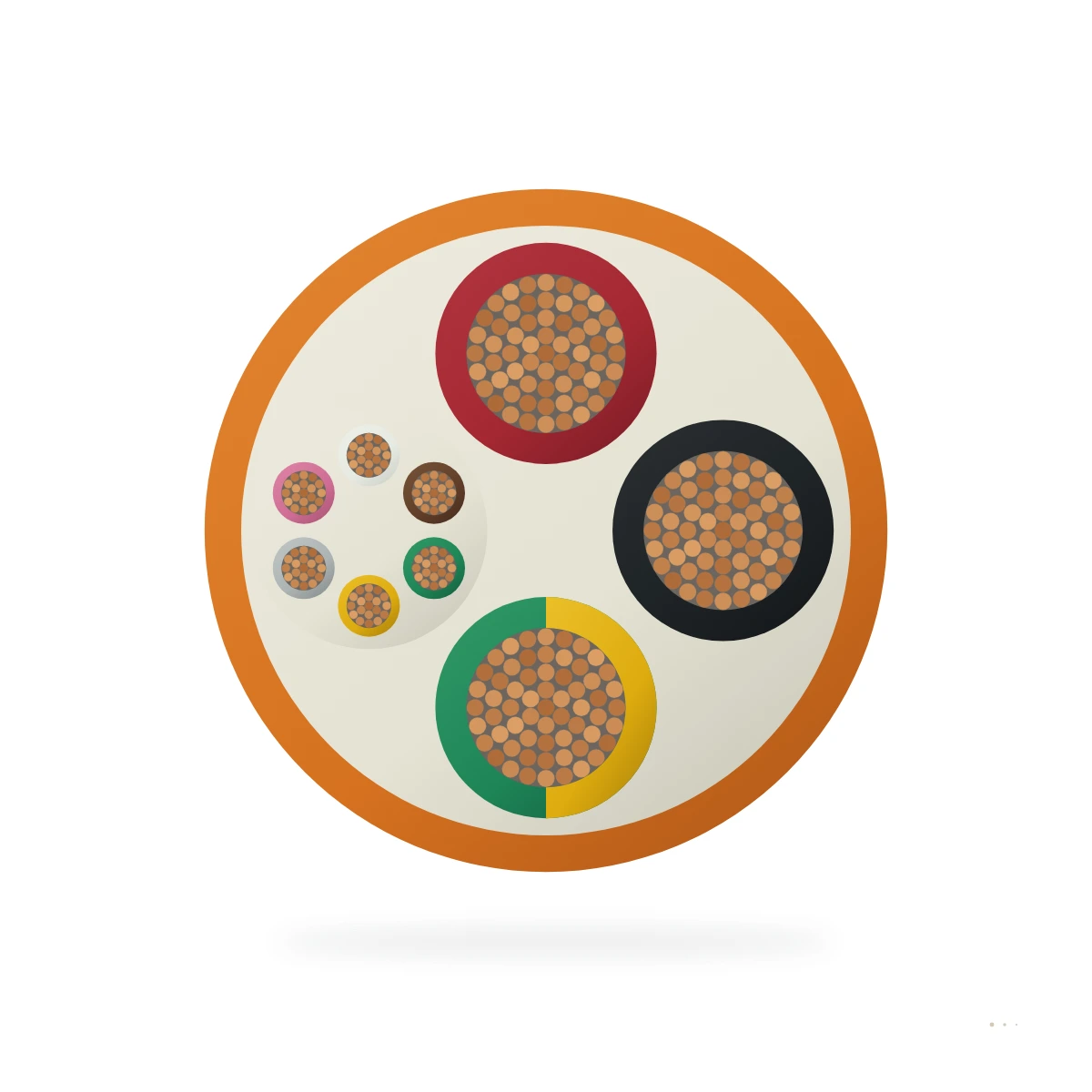
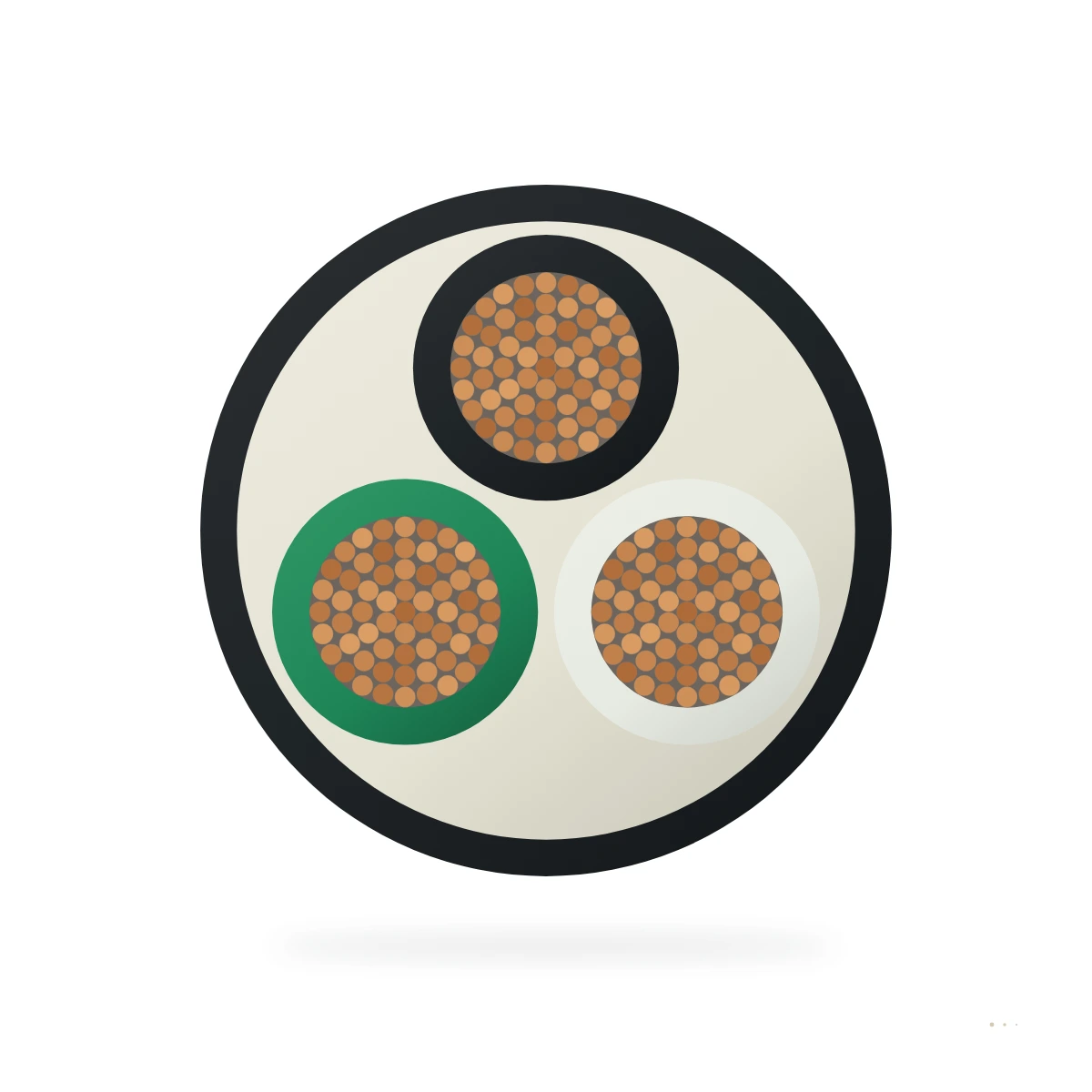
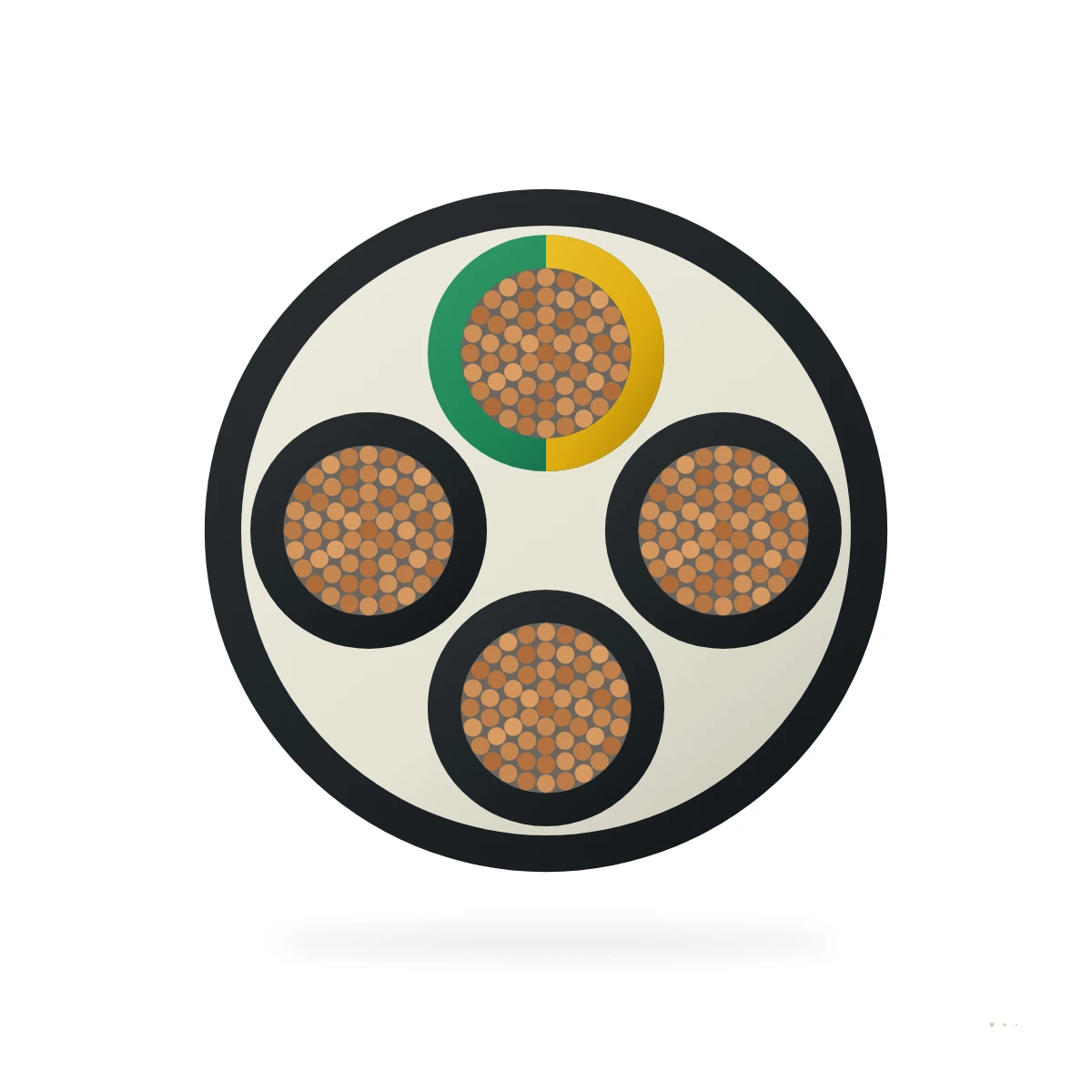
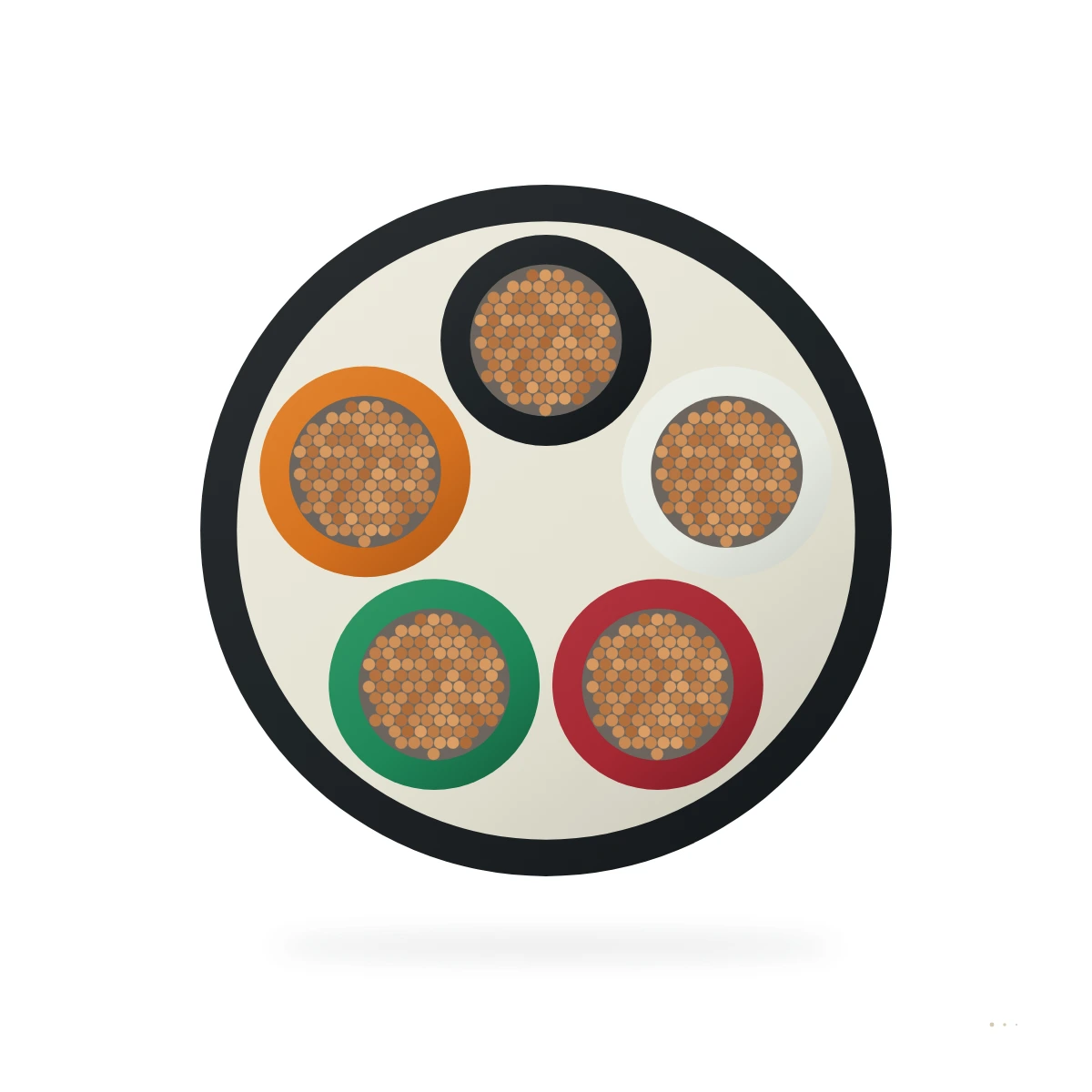
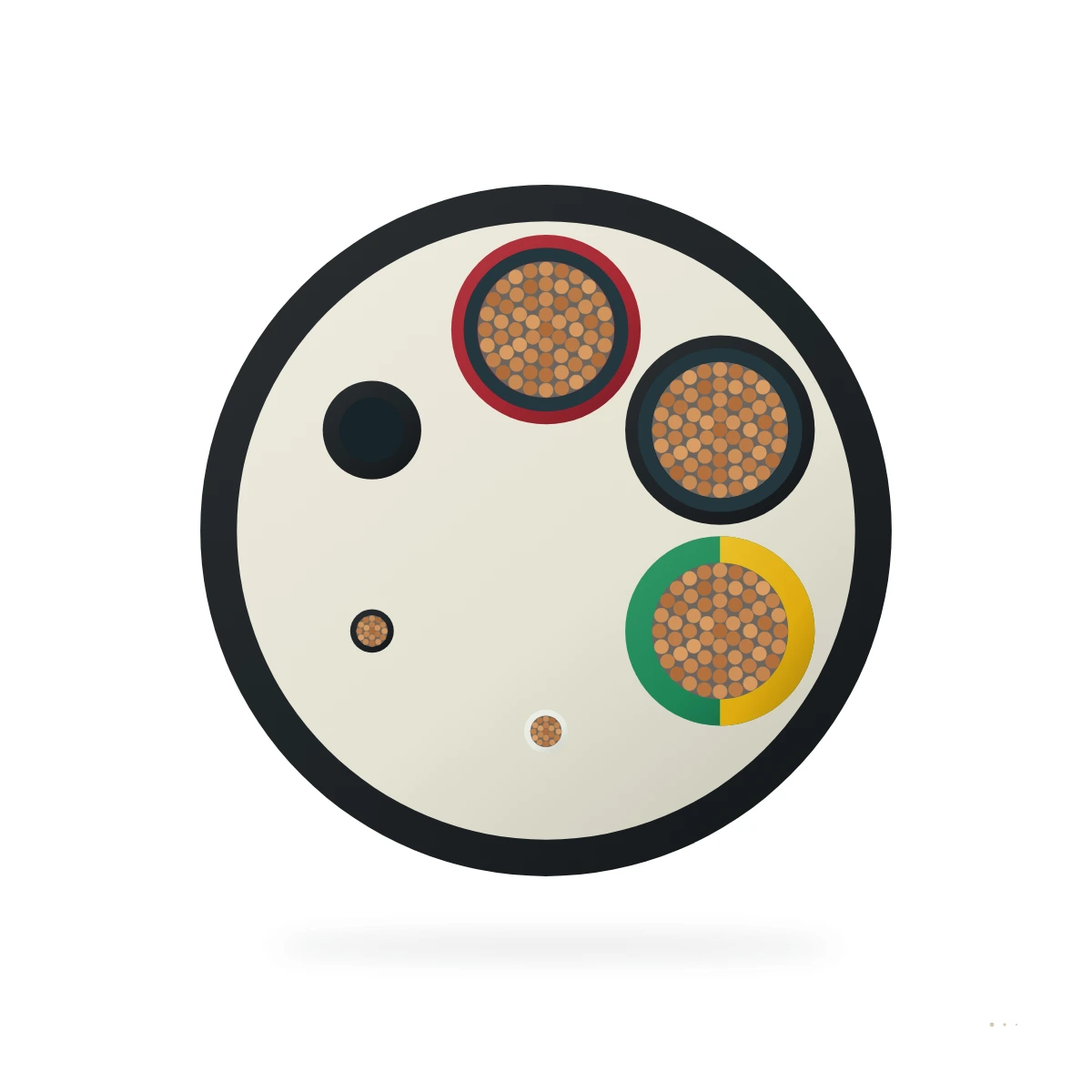
Rubber cables
Rubber-insulated, rubber-sheathed cables for mobile and heavy-duty service.
5 cables

Choosing renewable energy & ev charging cables
Four things decide most selections. Our engineers check the rest against your application.
01 · Mechanical duty & installation profile
- Match minimum bending radius, travel speed, and tensile load to the active duty profile (Motorised monospiral reel, Festoon & line chain, Trailing & towing, Fixed installation).
- For continuous reeling, festoon, or drag-chain motion, specify fine-stranded Class 5/6 copper conductors with central strain-relief or anti-torsion braid.
02 · Rated voltage & cable family scope
- This collection spans Subsea umbilical & tow cables, Fiber-optic cables, Industrial data & RF cables, Hook-up wire & equipment cables, grouped below so power feeders, control circuits, and data/optical links can be specified side by side.
- Account for voltage drop, ambient temperature derating, and symmetrical EMC screening on long runs or VFD motor drives.
03 · Standards compliance & outer sheath compound
- Verify the governing regional or industry standard required by the project specification (IEC, VDE/DIN, UL, BS, ICEA/MSHA, etc.).
- Use the outer-sheath filter to lock in PUR, heavy-duty EPR/PCP rubber, or low-smoke zero-halogen (LSZH) compounds for oil, abrasion, or fire safety.
Questions buyers ask
Not covered here? Send your drawing and an engineer replies within 2 business hours.
Ask on WhatsAppWhat rated voltages are available in the Renewable Energy & EV Charging Cables category?
Rated voltages run from 300 V to 600 kV across 31 of the 34 products. The most common rating is 600 V, listed for 9 products.
Which standards do the products in the Renewable Energy & EV Charging Cables category reference?
The products reference IEC Standard (26 products), UL Standard (21 products), VDE / DIN Standard (10 products), BS 6708 (8 products), and ICEA Standard (5 products).
Are PDF datasheets available for the products in the Renewable Energy & EV Charging Cables category?
Yes. All 34 products have a PDF datasheet, linked from each product card and product page.
Engineering reference
Background on how renewable energy & ev charging cables are built, rated and specified.
Read the full reference
The Renewable Energy & EV Charging Cables collection brings together 34 industrial cable models across Subsea umbilical & tow cables, Fiber-optic cables, Industrial data & RF cables, Hook-up wire & equipment cables, Power & connection cables, Rubber cables. Torsion-resistant wind turbine loop cables, solar photovoltaic string wires and liquid-cooled charging cables.
Use the multi-facet filter bar and duty matrix view to compare rated voltage, governing standard, outer sheath compound, and mechanical duty ratings side by side, or add candidate models to a combined engineering enquiry.