
LSZH cables
Low-smoke halogen-free power, reeling, festoon and offshore cables from 300/500 V to 18/30 kV that limit toxic gas, acid smoke and flame spread in enclosed spaces.
How does the cable move?
Pick one or more duties — the list below updates.
43 LSZH cables
LSZH power and building wire
Halogen-free power, fire-resistant, solar and EV installation cables for buildings and tunnels.
7 cables
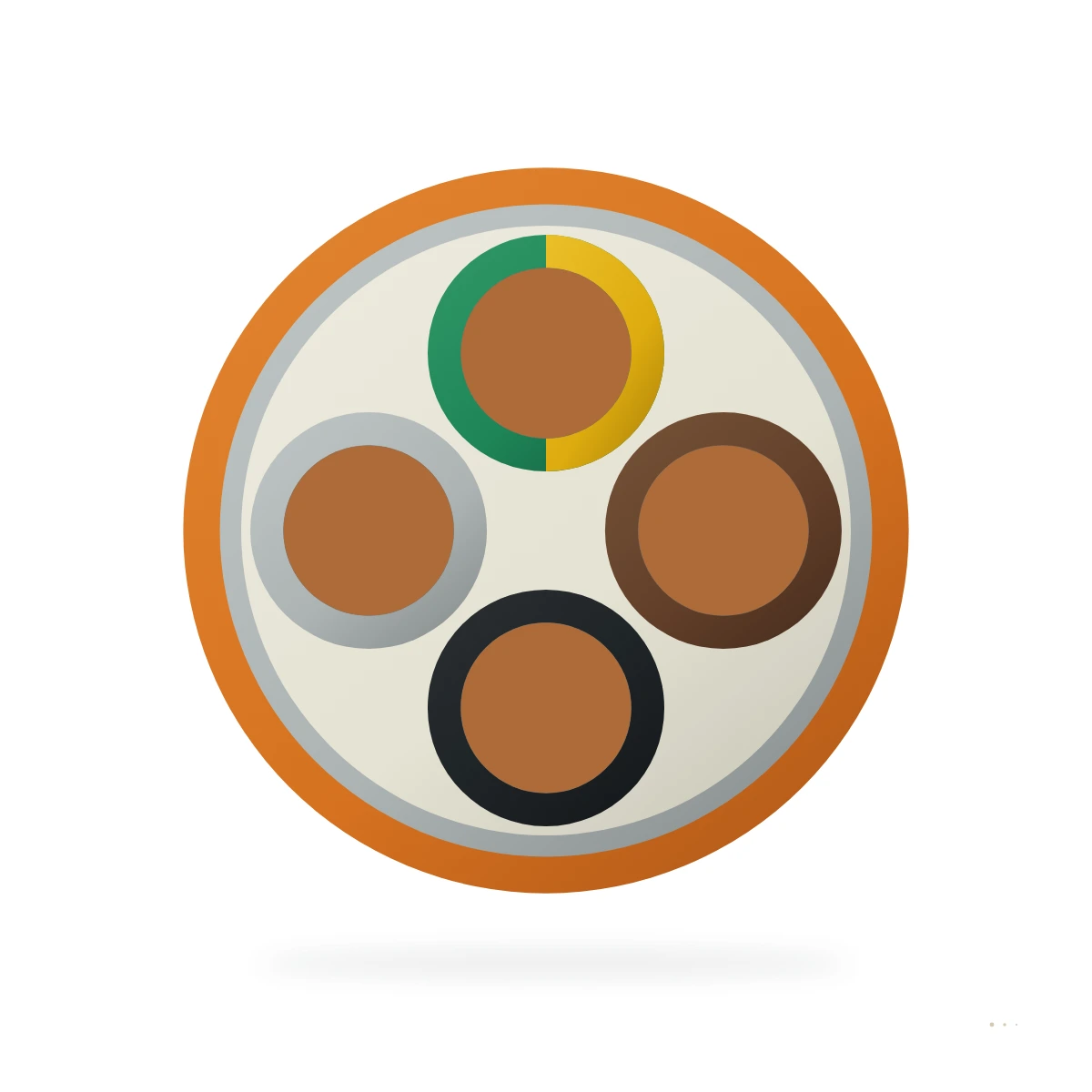
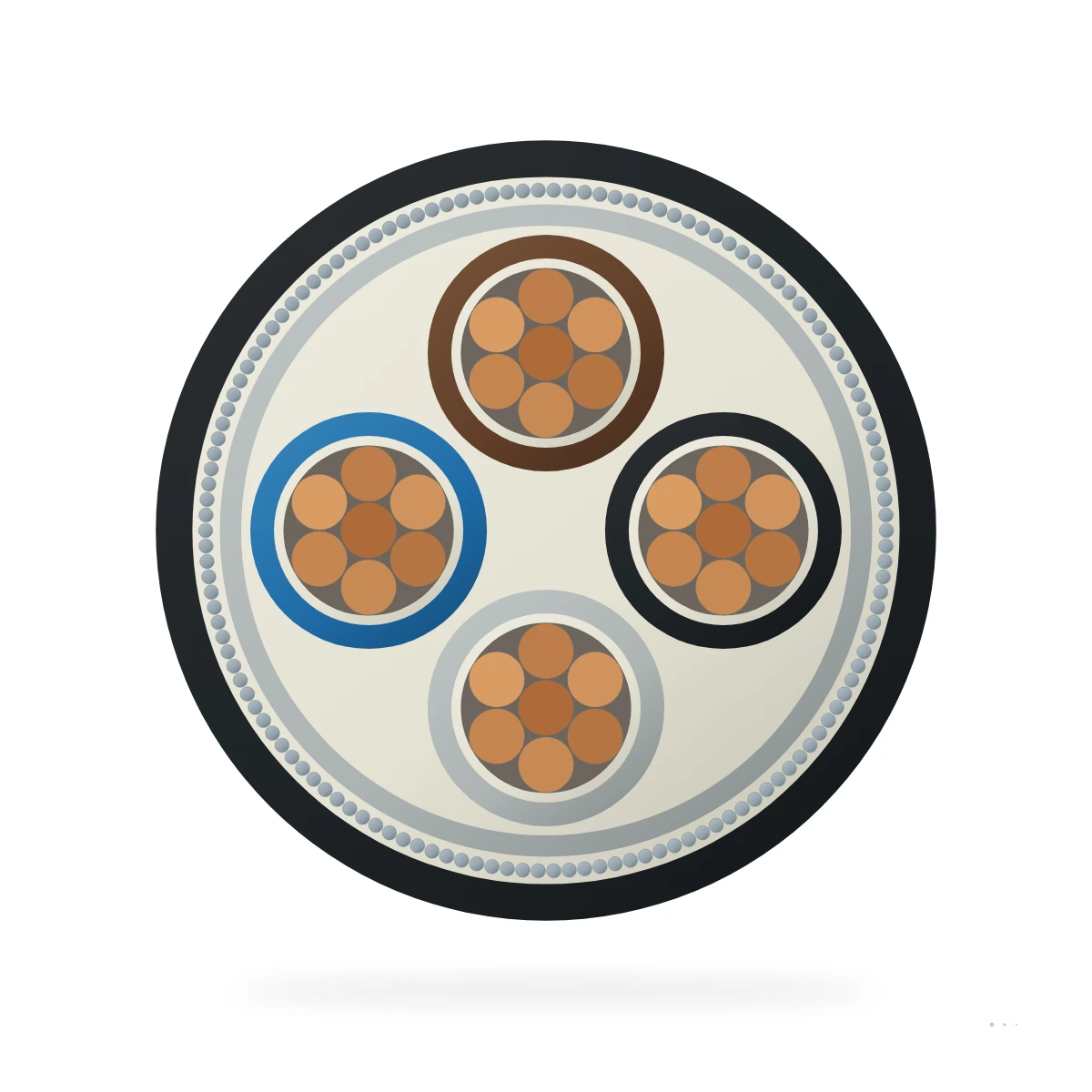
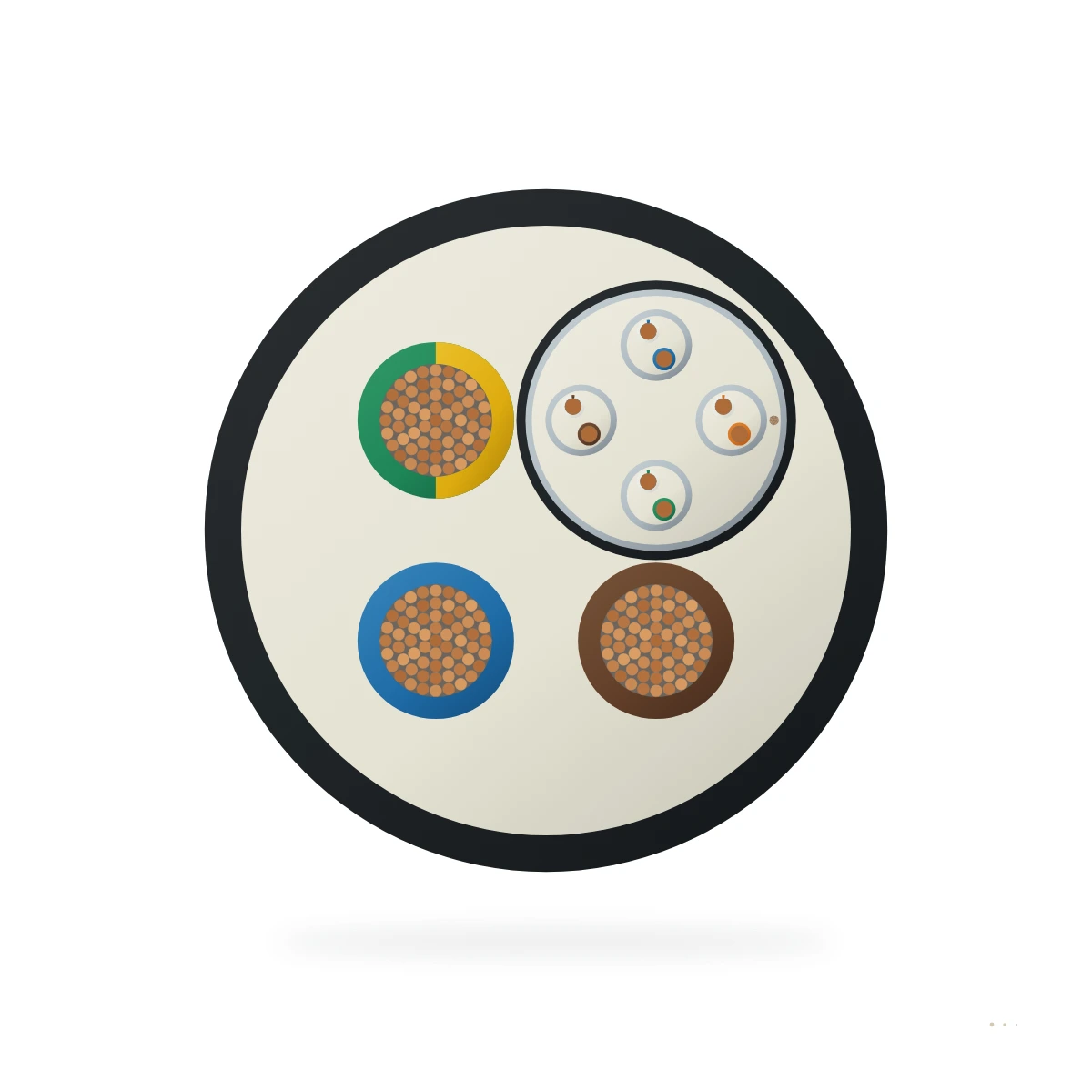
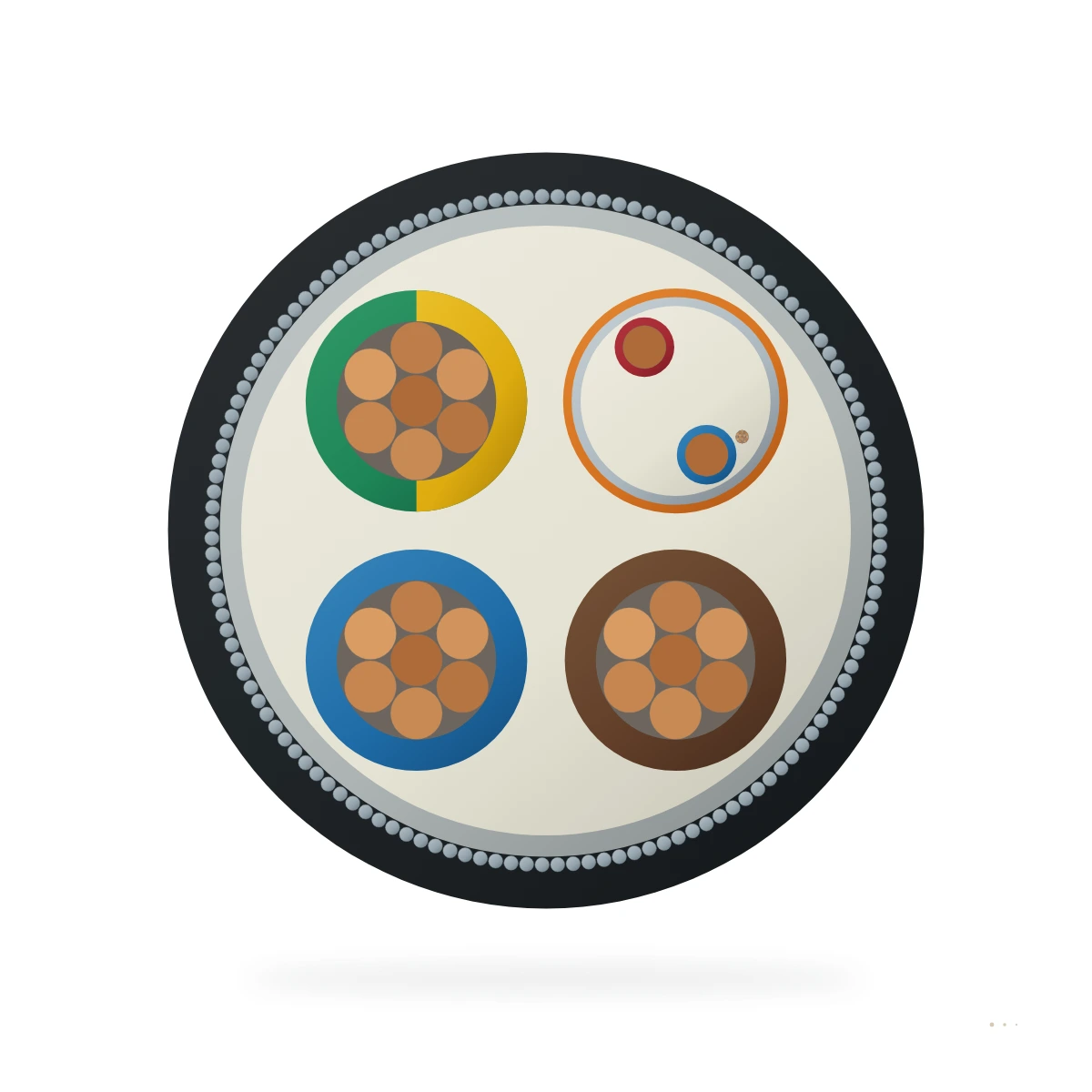

LSZH control and instrumentation
Unscreened and screened halogen-free control, BMS, fire-alarm and process instrumentation cables.
10 cables

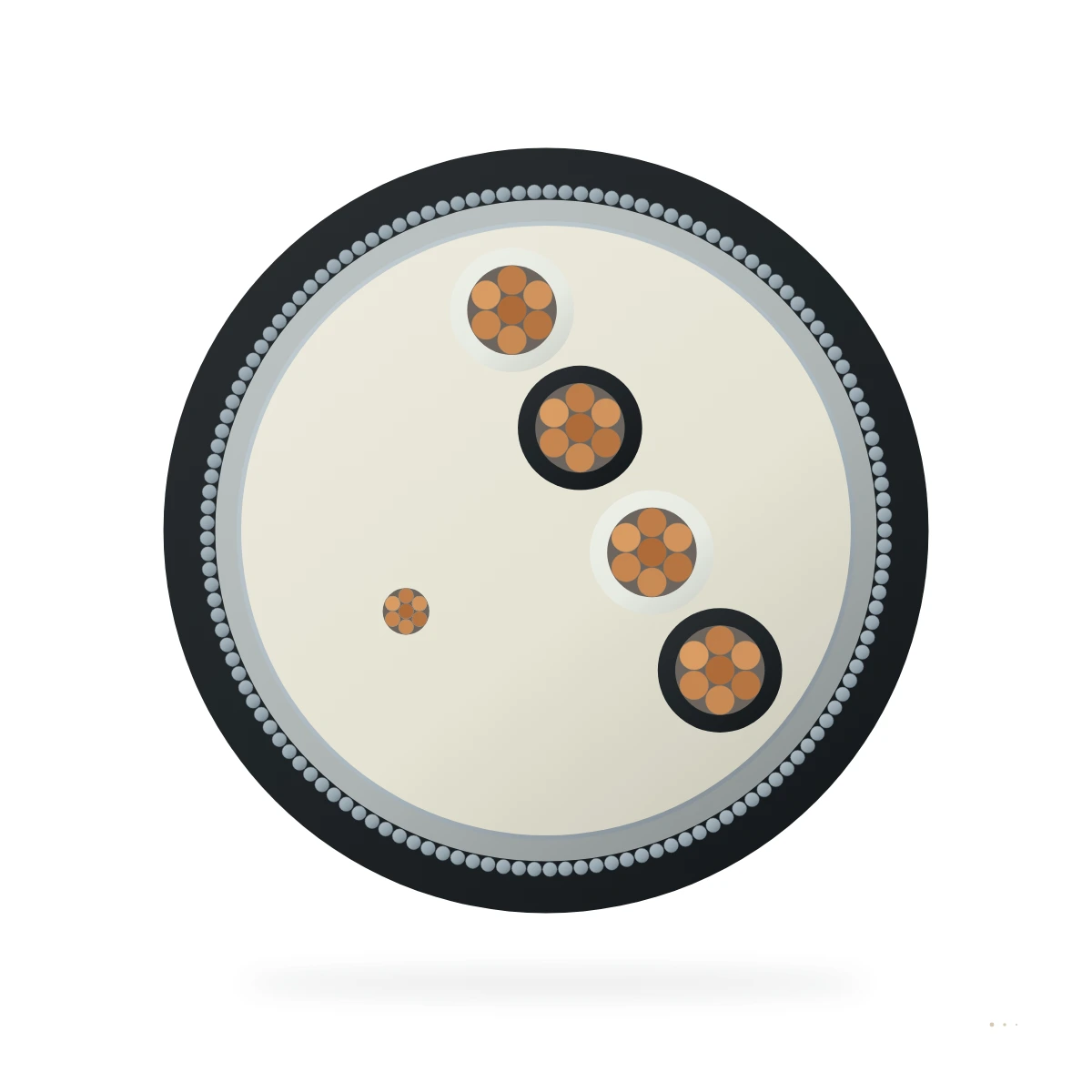
Marine, offshore and rail LSZH
Offshore NEK 606 and BS 6883/7917 series, shipboard LSX and EN 50264/50306 rolling-stock series.
16 cables
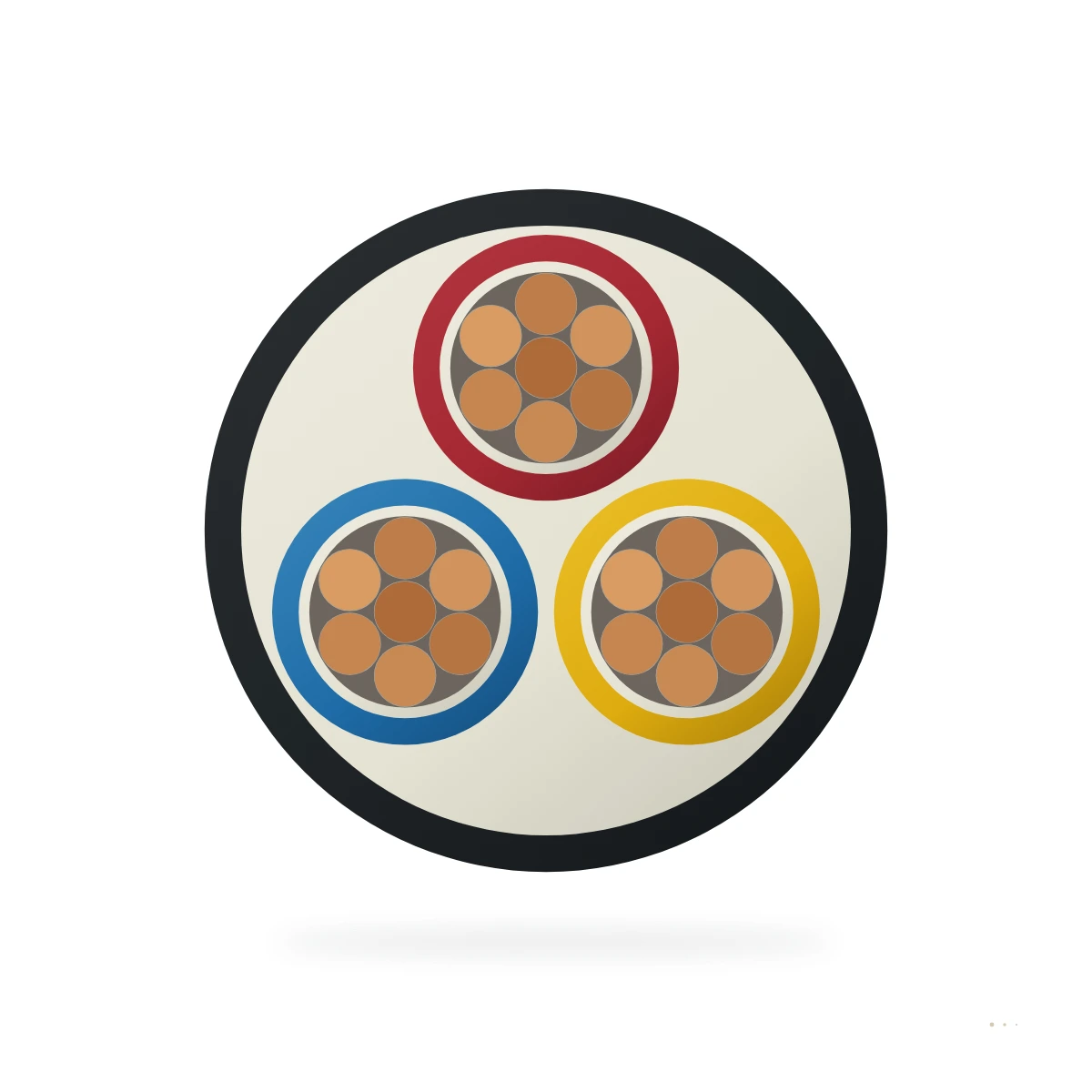
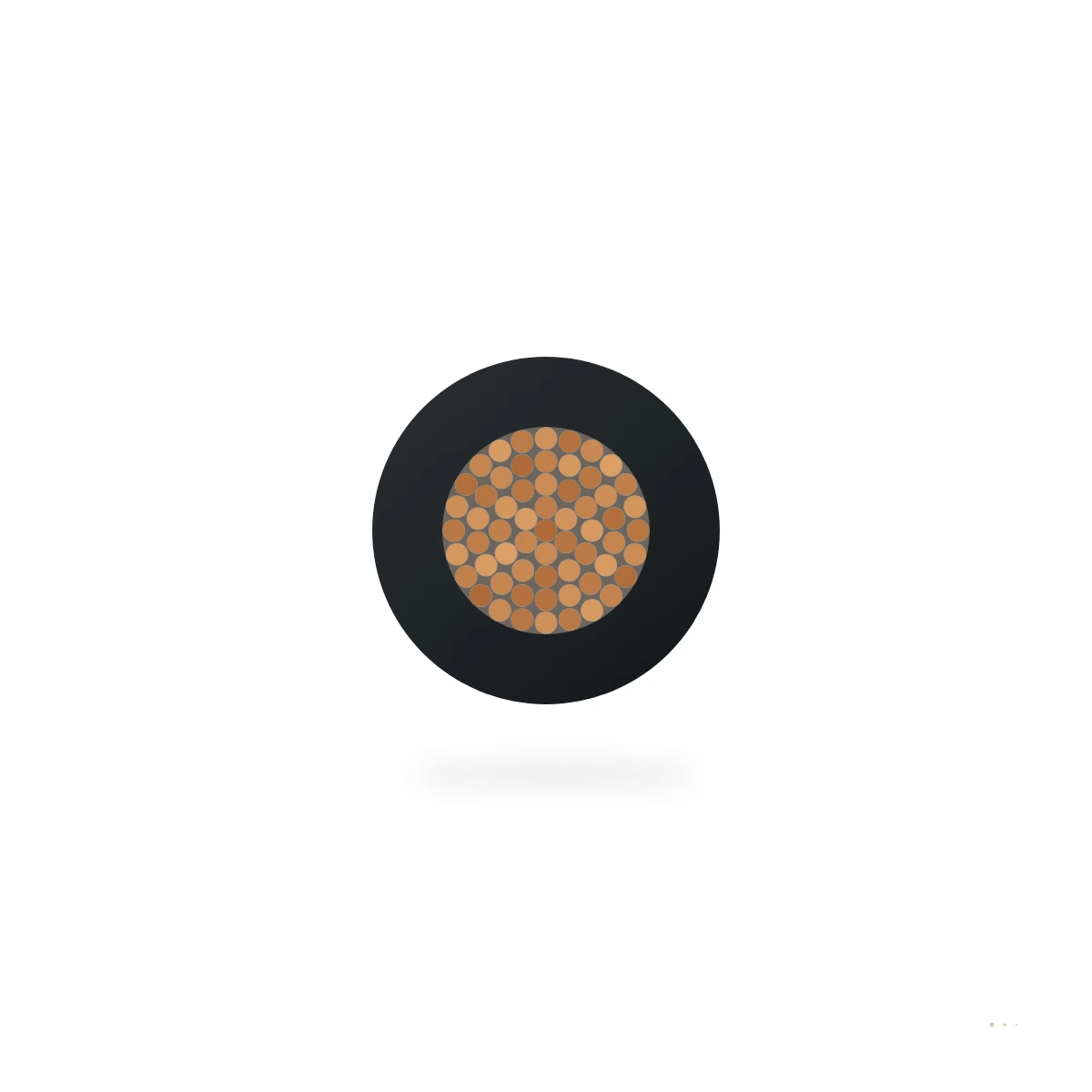
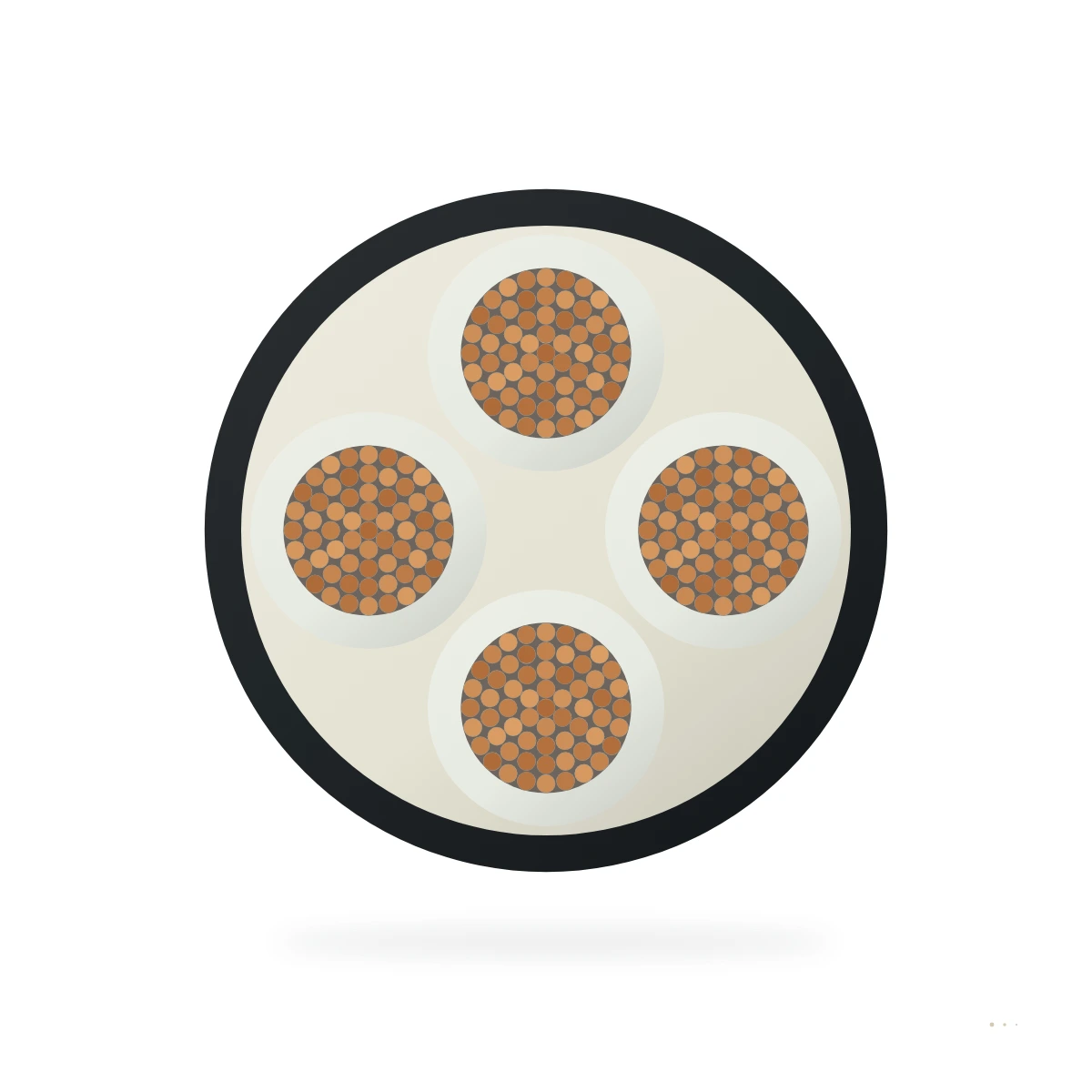
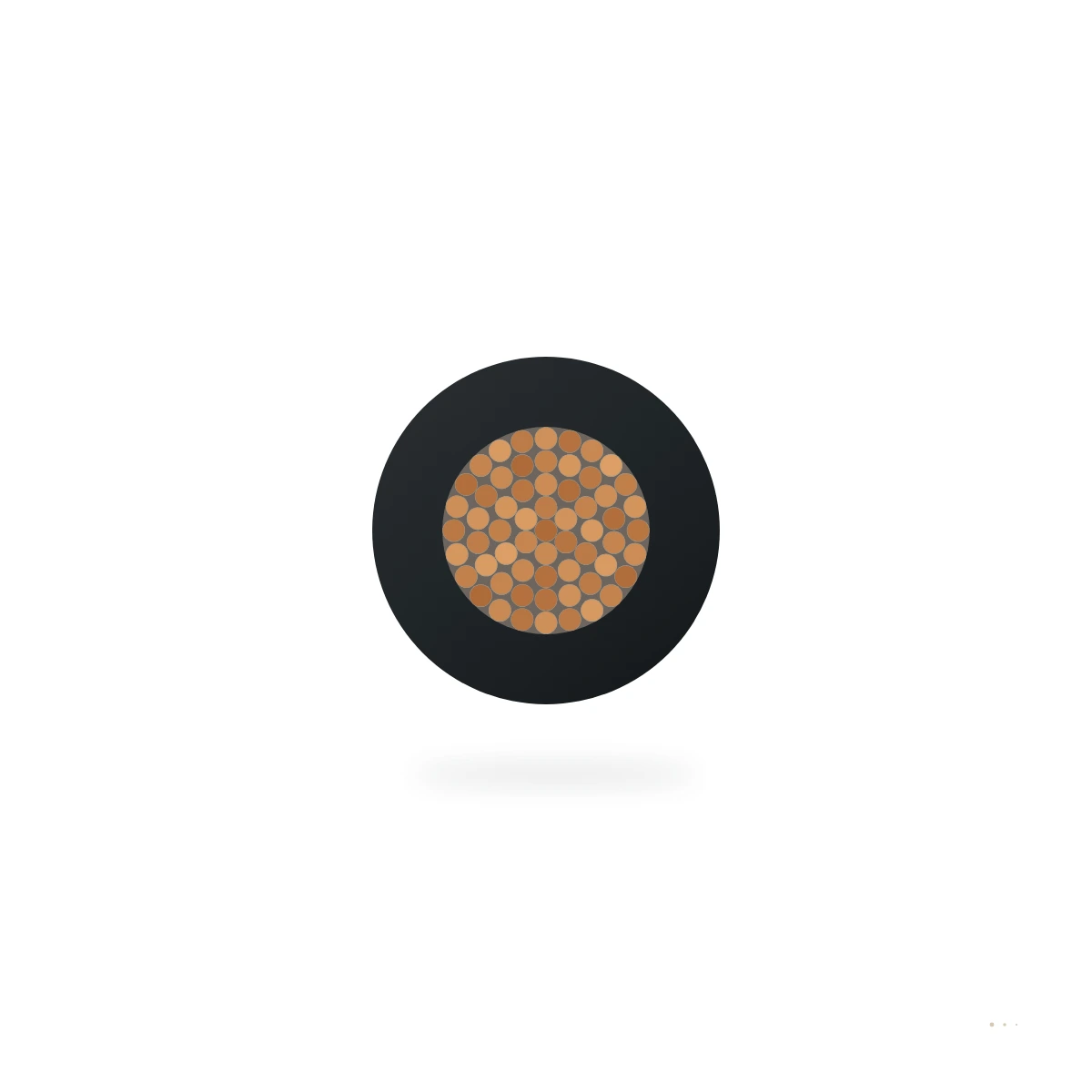
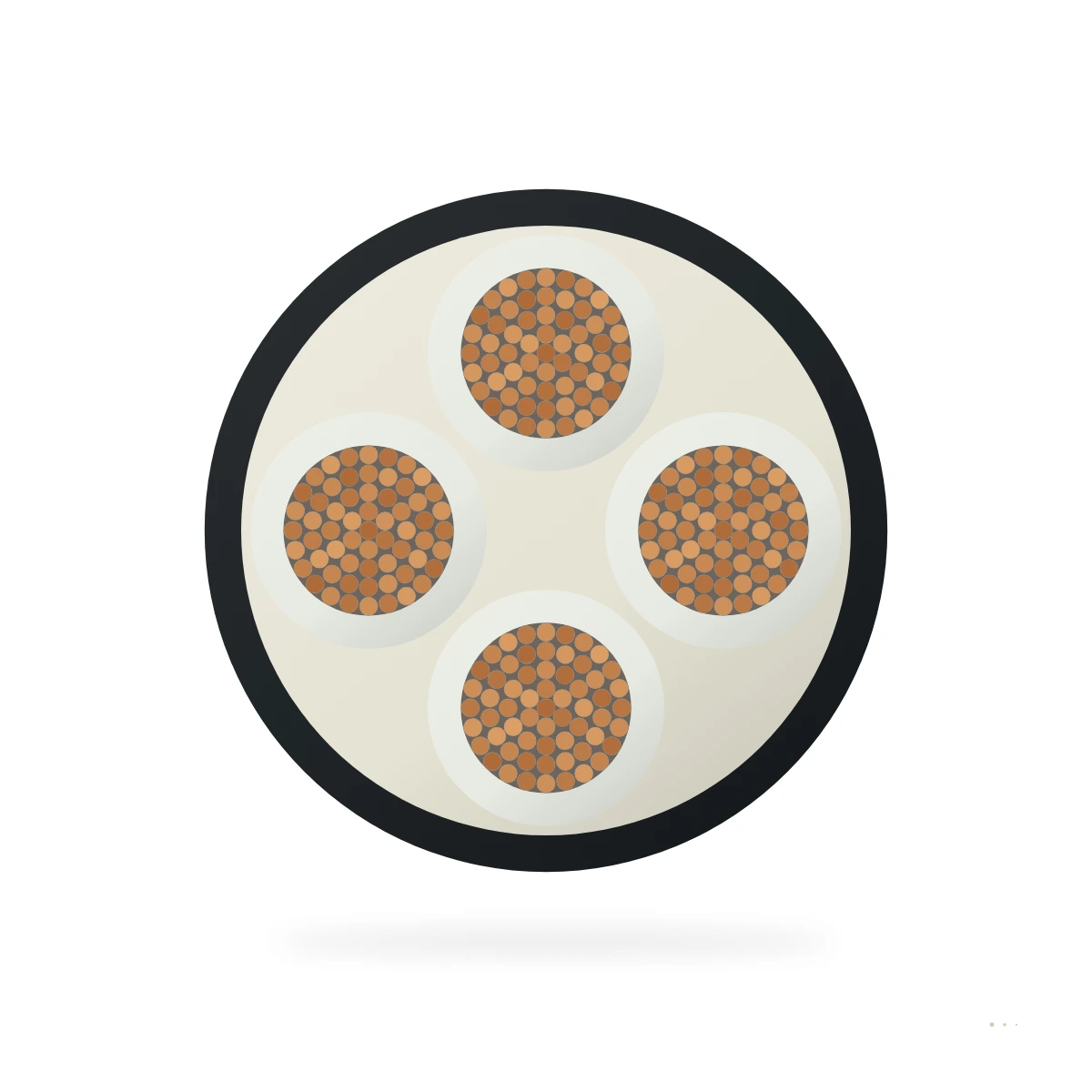
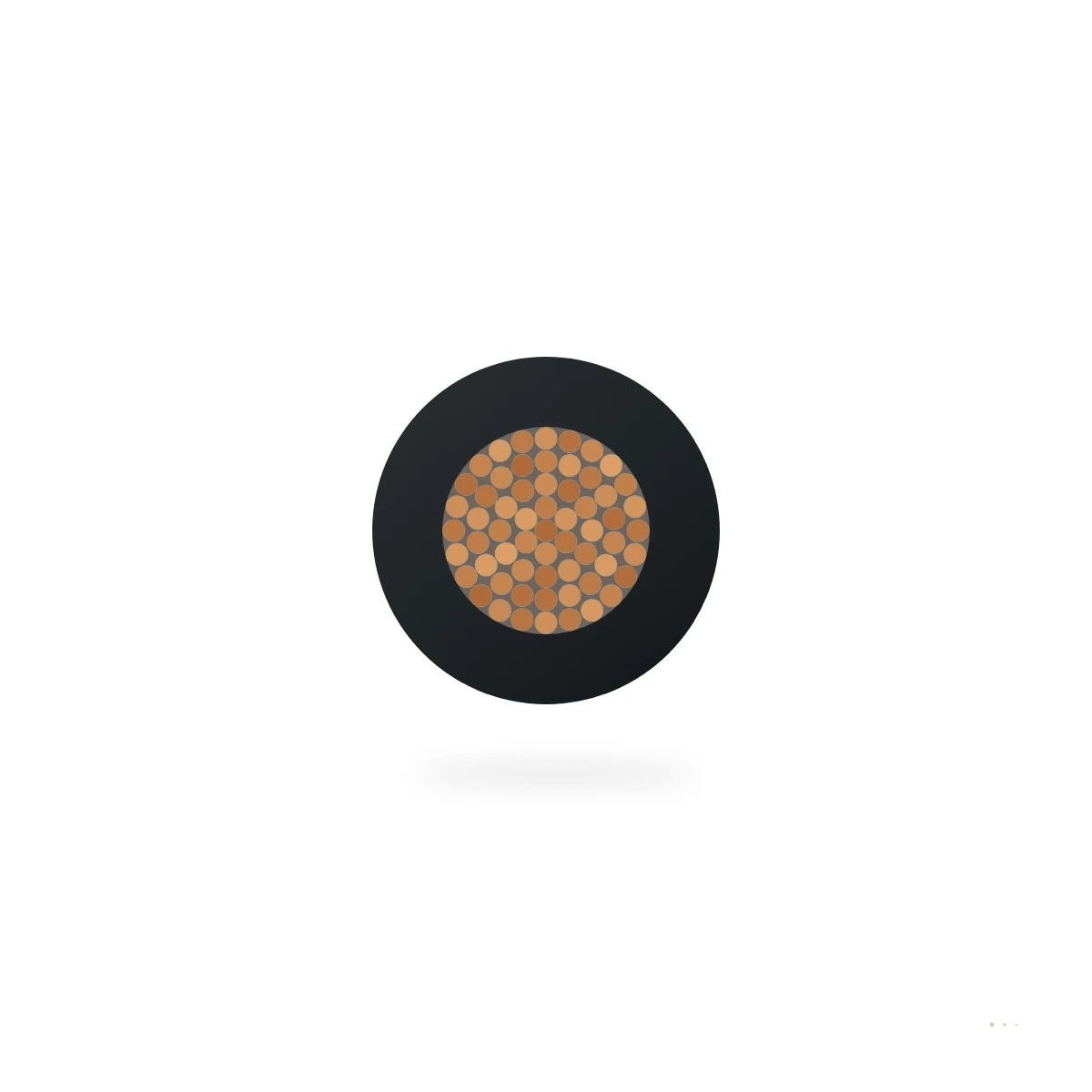
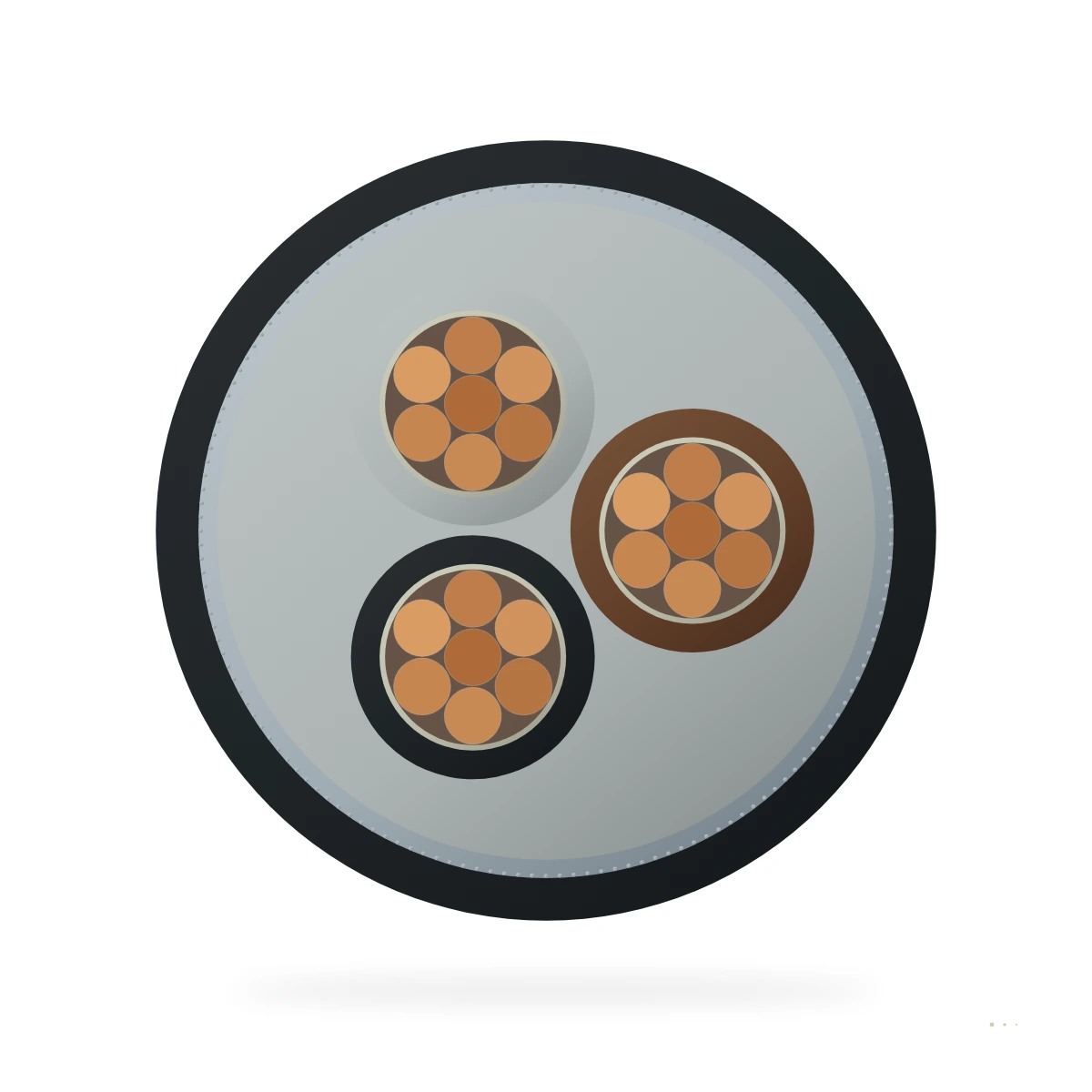
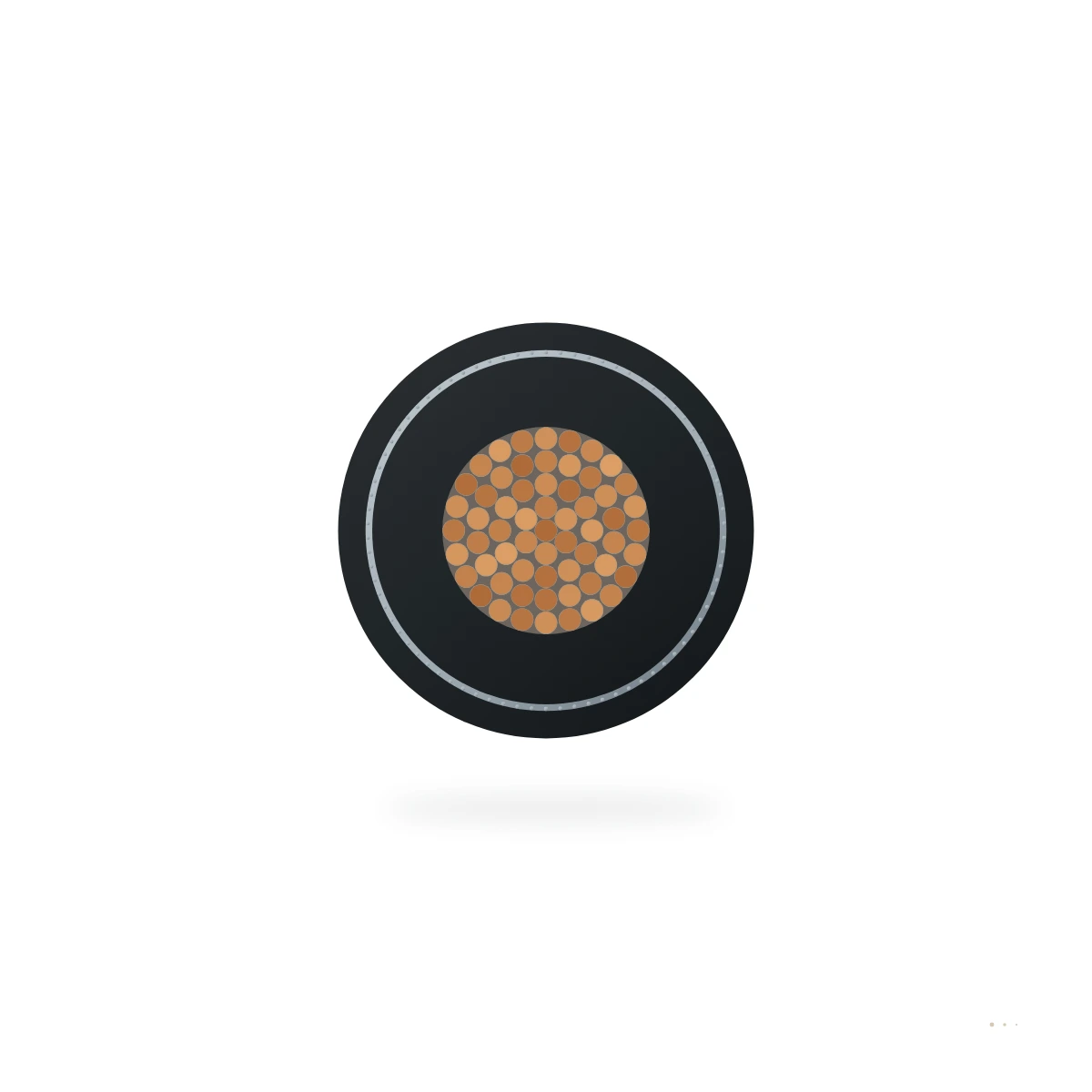
Flexible elastomer, crane and wind
Halogen-free flexible rubber, wind-turbine MV, festoon and spreader cables for mobile equipment.
10 cables
Choosing LSZH cables
Four things decide most selections. Our engineers check the rest against your application.
Application and movement duty
- Define whether the cable runs in a fixed tray, energy chain, festoon loop, reel or trailing route.
- Match travel speed, bend radius and tensile load to the mechanical construction.
- Select a support element or armour when the cable carries suspended weight or external crush loads.
Voltage class and core layout
- Match the rated voltage U0/U to the supply system and earthing arrangement.
- Specify phase cross-sections, protective earth, pilot cores or control pairs required by the machine.
- Include copper braid, tape or semiconductive screens where EMC or electric-field control is needed.
Operating environment and sheath
- Choose rubber, PUR, LSZH, PVC, fluoropolymer or silicone sheaths for the thermal and chemical exposure.
- Verify oil, UV, water immersion, cold-flex or circuit-integrity ratings against site conditions.
- Check outer diameter and gland compatibility at both terminations.
Standard and documentation
- Confirm the governing standard family required by the project specification.
- Verify conductor class, colour code or core numbering for the destination region.
- Include operating duty and cable length in your enquiry so we can confirm the build.
Questions buyers ask
Not covered here? Send your drawing and an engineer replies within 2 business hours.
Ask on WhatsAppHow do I select the right LSZH cable from this range?
Start by filtering the list by movement duty, voltage band and sheath material. Compare how each LSZH cable is constructed—conductor flexibility, insulation compound, screening and outer jacket—against your machine's bending radius, travel speed and ambient temperature. Open the product page or datasheet to check core counts, cross-sections and outer diameters before sending your enquiry.
When should LSZH cables include metallic screening or armour?
Specify a copper braid or foil screen when LSZH cables run near variable-frequency drives, carry analogue or fieldbus signals, or require medium-voltage electric-field control. Choose steel wire braid or armour when the installation faces rock fall, crushing loads or high pulling tension in roadways, decks or subsea routes.
Which outer sheath compound suits harsh industrial environments?
Heavy-duty rubber (PCP or CPE) provides balanced mechanical toughness, weather resistance and thermal stability. Polyurethane (PUR) resists cuts, abrasion and mineral oils on fast-moving chains, reels and trolleys. Halogen-free LSZH compounds reduce smoke and acid gas in tunnels, ships and enclosed buildings, while fluoropolymers and silicone handle extreme heat.
What details should I include in an RFQ for LSZH cables?
Include the model designation or governing standard, rated voltage, number of cores and conductor cross-sections, along with the installation method, minimum bend radius, ambient temperature range and required delivery lengths. If you are replacing an existing cable on a machine, share the sheath marking so we can match the specification.
Engineering reference
Background on how LSZH cables are built, rated and specified.
Read the full reference
LSZH cable uses low-smoke, zero-halogen or halogen-free materials intended to limit smoke density and corrosive halogen gas release during a fire. It is commonly considered where people, escape routes, electronic equipment or confined infrastructure would be especially affected by smoke and corrosive combustion products. LSZH describes material and fire-behaviour requirements; it does not by itself define voltage, flexibility, flame propagation, circuit integrity, mechanical strength or approval.
Search demand for LSZH cable spans rail vehicles and transit systems, tunnels, ships and offshore units, control cabinets, public infrastructure and other enclosed or personnel-critical spaces. These applications need very different cable constructions. Buyers should therefore state the electrical duty and installation environment first, then specify the required low-smoke, halogen, flame and fire-resistance tests. An LSZH sheath alone does not make a product suitable for every fire-safety project.
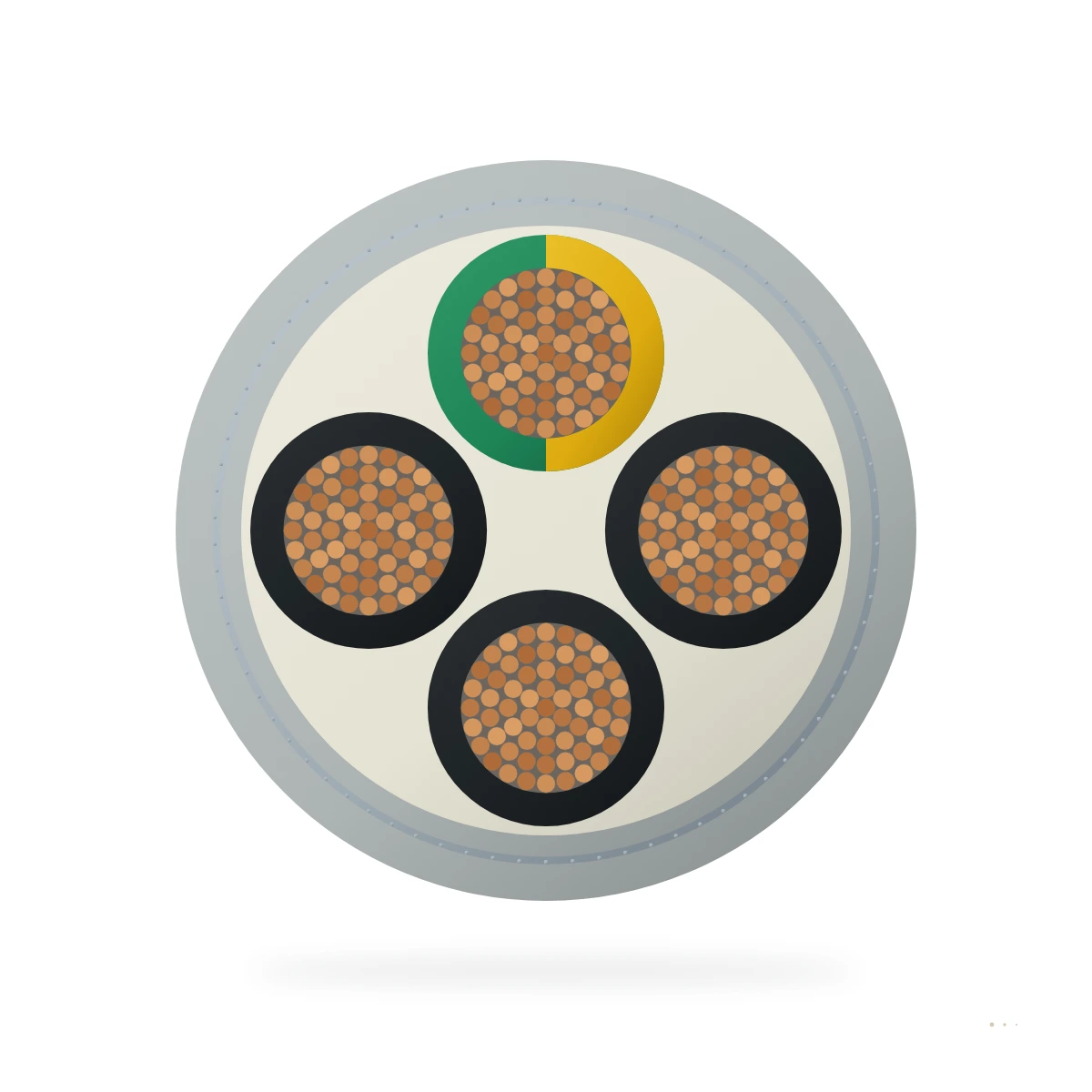
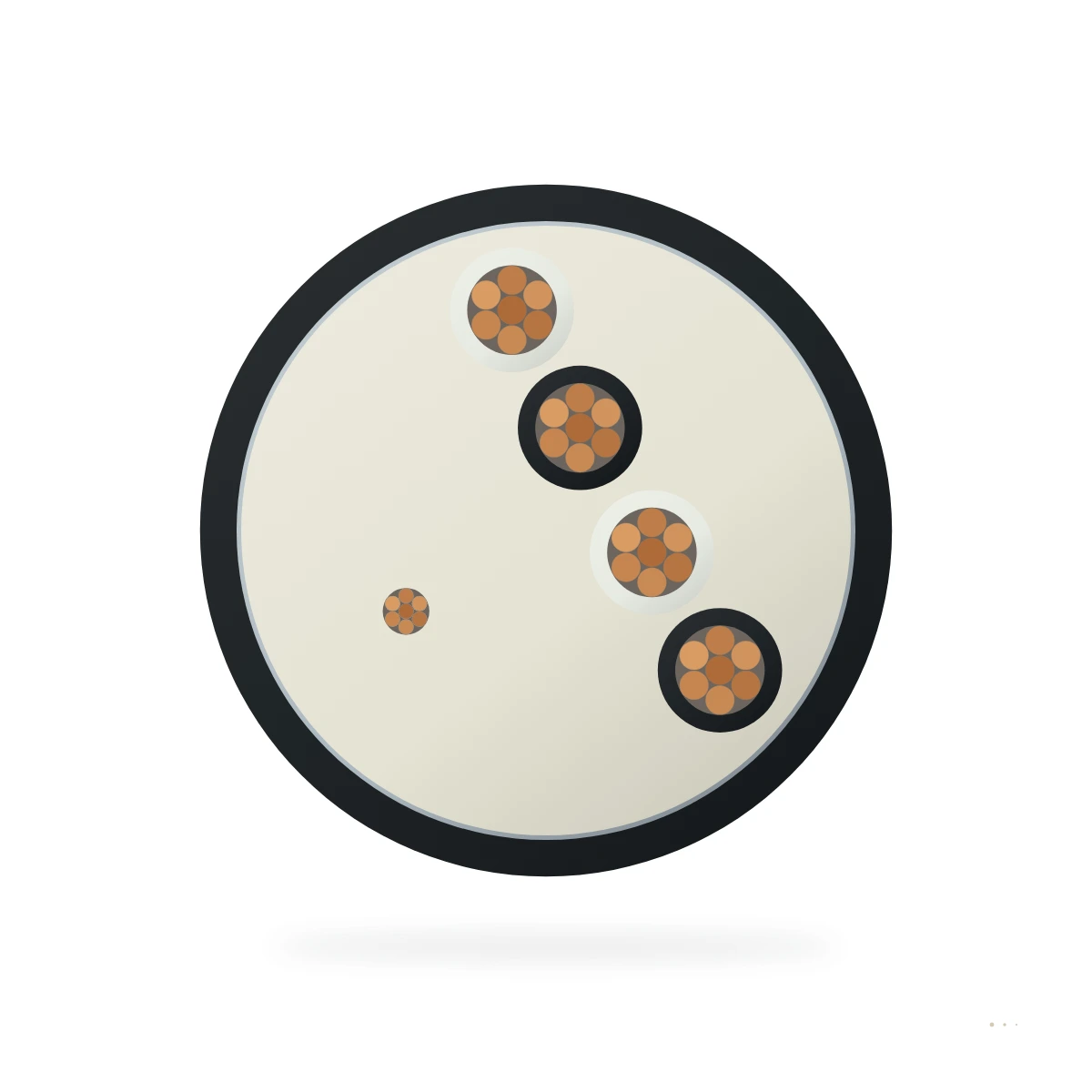
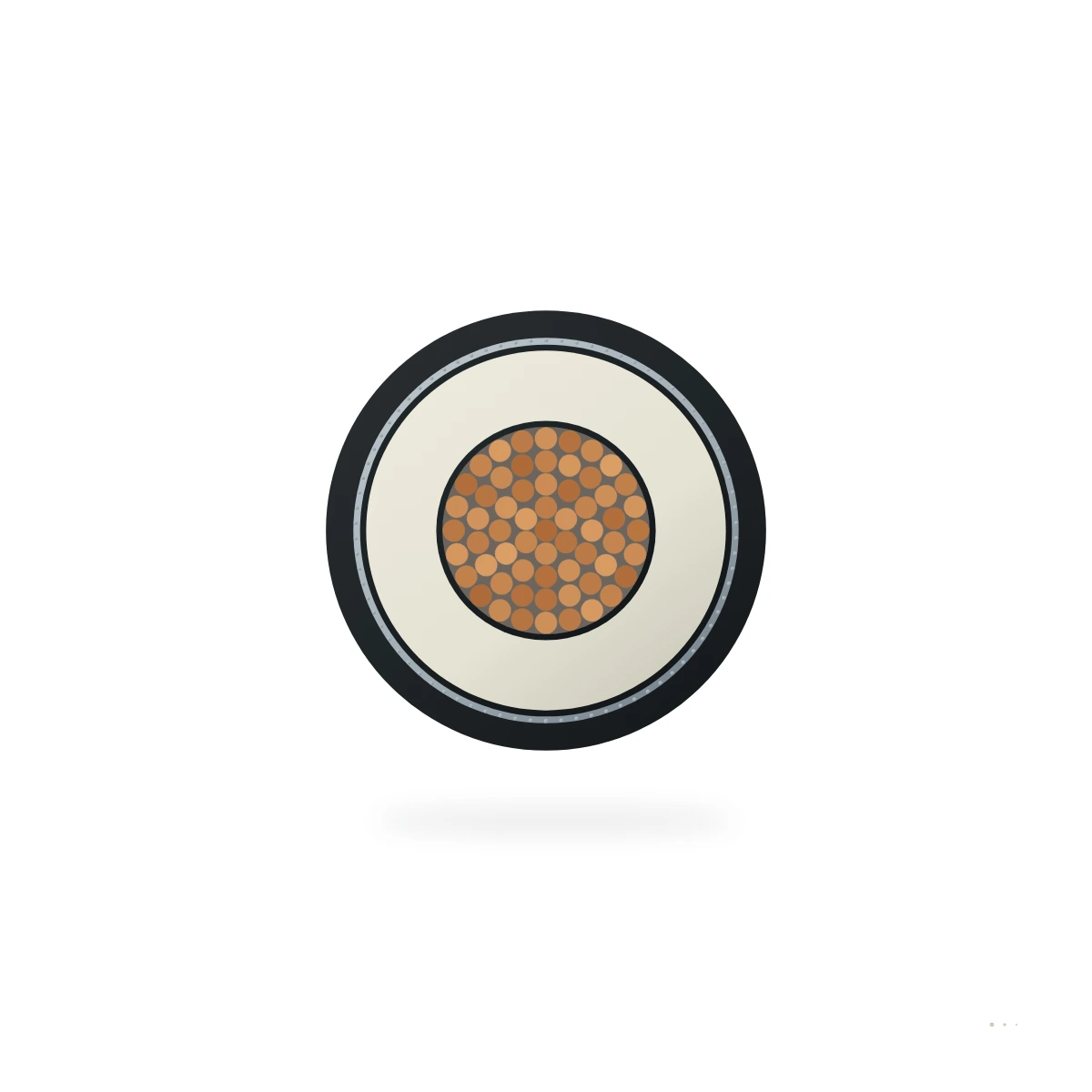
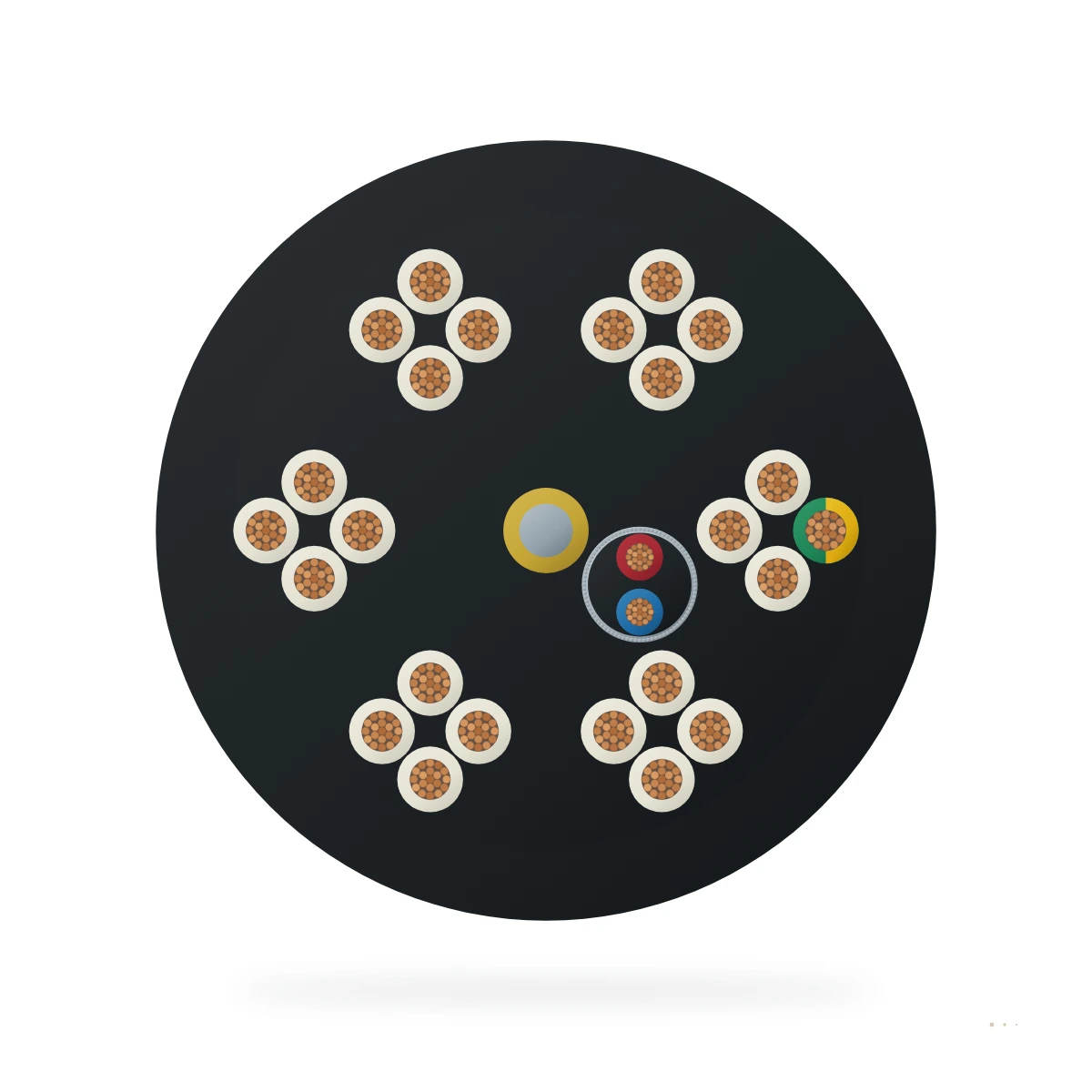
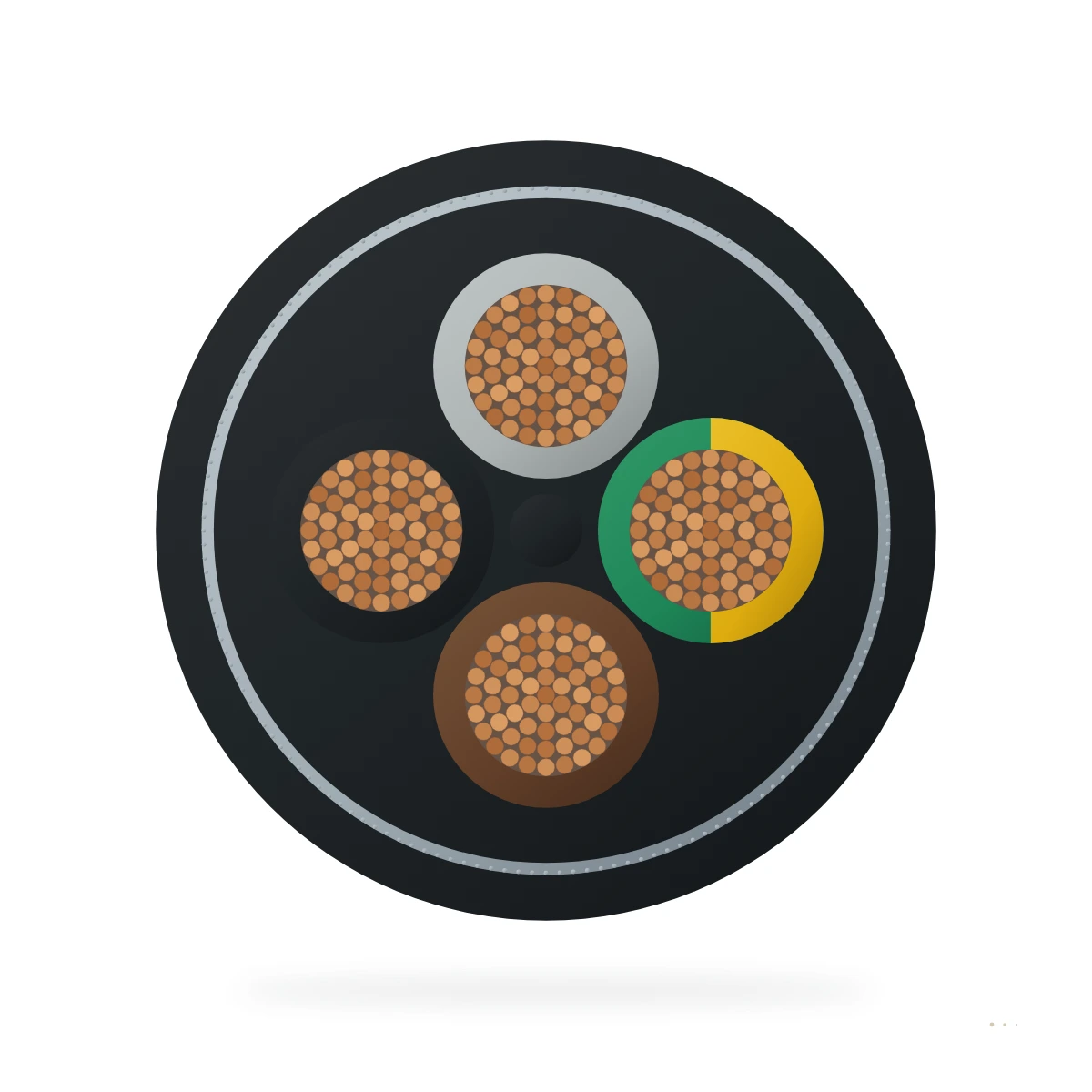
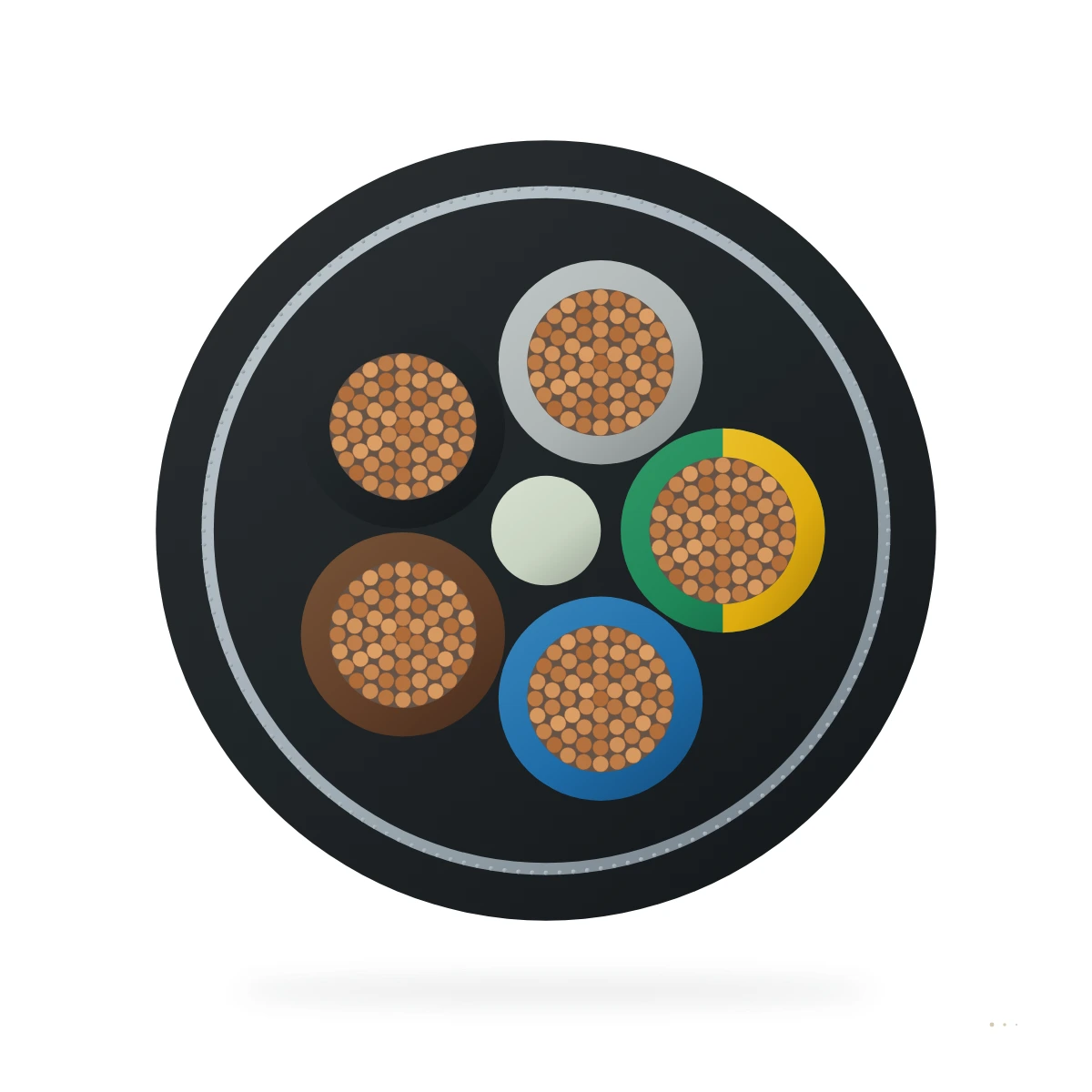
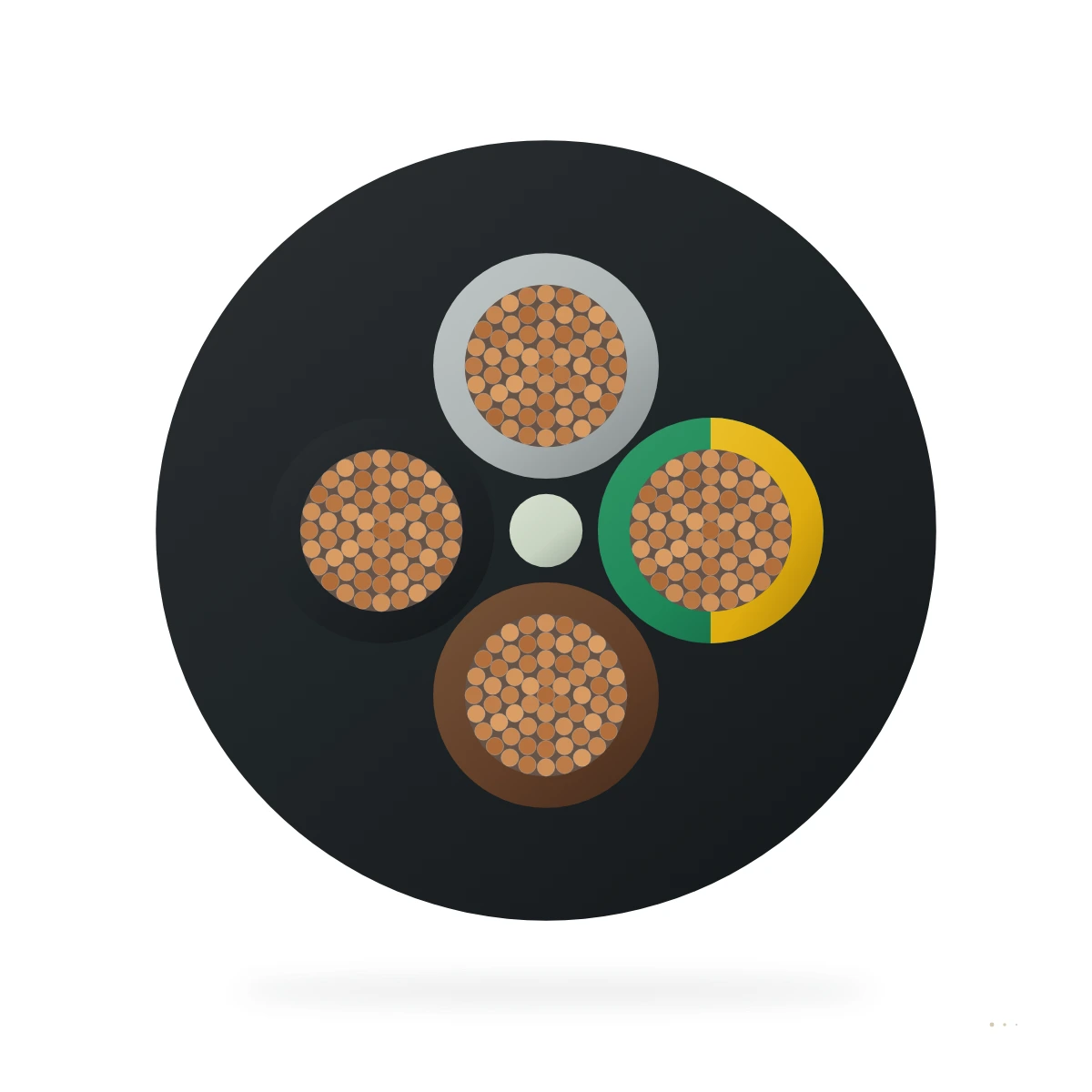
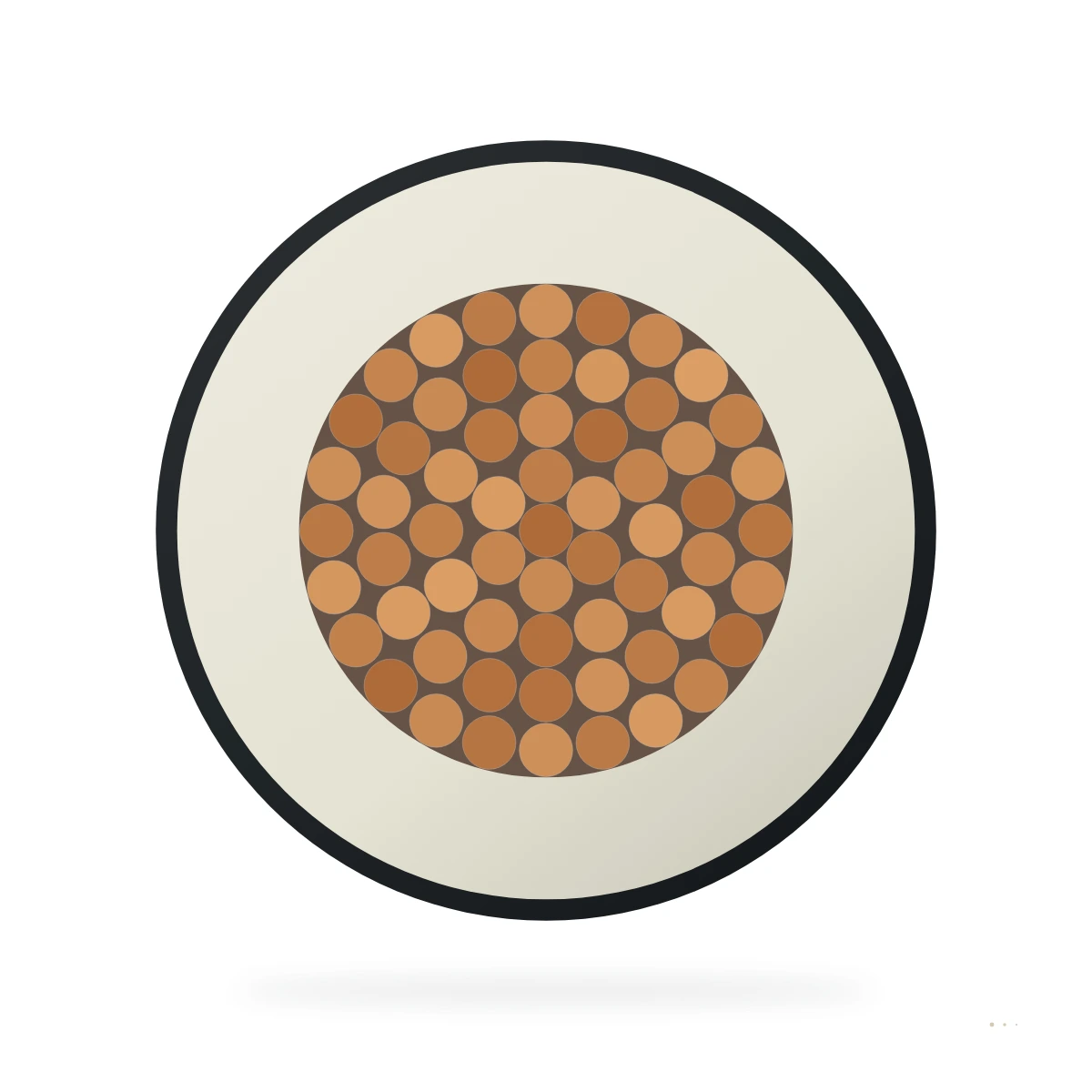
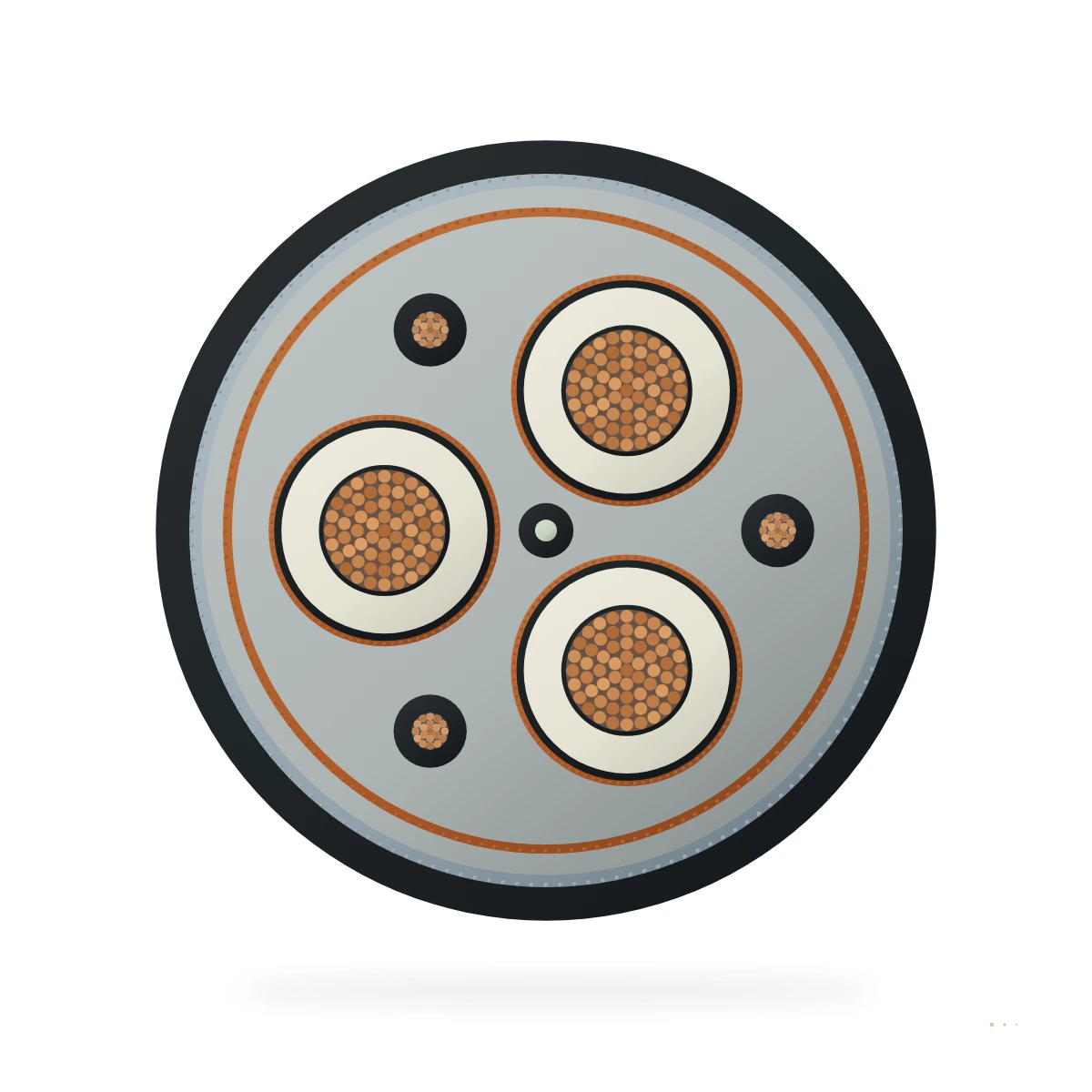
TEBAOFLEX's LSZH Cable range includes several products. (N)3GHSSHCH is a 3.6/6 kV flexible mining and tunnelling power cable combining EPR-insulated power conductors, individual protective-earth screens, control cores, a monitoring conductor, steel-wire-braid reinforcement and low-smoke halogen-free flame-retardant sheath layers. NEK 606 BFOU/RFOU is an offshore fixed-installation family: common constructions use halogen-free coverings and an SHF2 outer sheath, RFOU provides flame-retardant performance, and BFOU adds a mica-based fire barrier for designated emergency or critical circuits. NSHXAFÖ is a 1.8/3 kV halogen-free flexible single-core cable for railway vehicles, buses, control cabinets and protected installations. Together these examples cover mining, offshore and railway applications; the range is not a general line of LSZH building wire, data cable or every rail-cable type.
Fire terminology should be separated during selection. Low smoke addresses visibility and smoke generation under specified test conditions. Zero-halogen or halogen-free requirements address halogen acid gas and corrosivity. Flame retardancy concerns how flame propagates on a cable, while fire resistance or circuit integrity concerns continued electrical function during fire. A product may meet one requirement without meeting all the others. Project specifications often reference parts of IEC 60332, IEC 60754 and IEC 61034; state the required test method, category and acceptance value for the exact cable.
Electrical requirements remain fundamental. For (N)3GHSSHCH, define the 3.6/6 kV system, phase-conductor size, protective-earth screen arrangement, control cores and monitoring circuit. For NSHXAFÖ, define the single-core installation, system voltage, conductor size, routing and short-circuit/earth-fault-resistant installation requirements. For BFOU/RFOU, select the exact power, control or instrumentation construction and voltage. LSZH selection must still include voltage-drop, ampacity, fault-current and termination calculations.
Mechanical duty differs sharply among these products. The mining/tunnelling cable is a reinforced multicore construction for demanding underground equipment, with movement limits set by its construction. NSHXAFÖ is flexible single-core cable for protected installations and vehicle or cabinet wiring; flexibility does not automatically mean continuous reeling or trailing. BFOU/RFOU products are intended for fixed offshore installations. Provide bend radius, pulling conditions, vibration, armour, support spacing and any movement profile so the chosen cable matches its design.
Environmental requirements can conflict with a simplistic material choice. Offshore cable may need oil, mud, salt, sunlight and low-temperature performance. Mine and tunnel cable may face abrasion, water, dust and mechanical impact. Railway or bus wiring may need compact routing, vibration resistance and vehicle-specific fire documentation. Specify the exact exposure, not just "LSZH," and include sheath compound, temperature range, oil and water resistance, flame tests and mechanical data for the selected model.
Installation details should be carried through to the fire assessment. Cable grouping, tray fill, supports, glands, bends and penetrations can change the result of a project fire calculation, and a low-smoke material does not remove the need for correct spacing or sealing. Ask for the cable diameter, minimum bend radius, stripping and termination instructions, smoke/acid-gas test references and any required documentation for the completed route. For rail or marine work, also identify vehicle or vessel rules and the responsible authority before cable acceptance.
Approvals and standards require particular caution. The NEK product is associated with NEK TS 606, (N)3GHSSHCH is a mining/tunnelling designation, and NSHXAFÖ is associated with VDE/DIN requirements. A reference to one of these families does not by itself certify every option for a vessel, rail authority, mine or national market. Request the exact standard edition, test reports, class or authority approval and product marking required for the quoted construction.
For an RFQ, provide application and equipment, fixed or moving route, system voltage, current and conductor size, core and protective-earth arrangement, shield/control/monitoring needs, installation and bend data, ambient and exposure conditions, required low-smoke and halogen test methods, flame propagation category, circuit-integrity duration if applicable, governing product standard, approval or class documents, total length, drum schedule and destination.
The TEBAOFLEX products below cover distinct contexts, for example medium-voltage mining and tunnelling, fixed offshore power/control/instrumentation, and protected flexible single-core rail or cabinet installation. Keep LSZH and fire-performance claims tied to the exact product documentation.