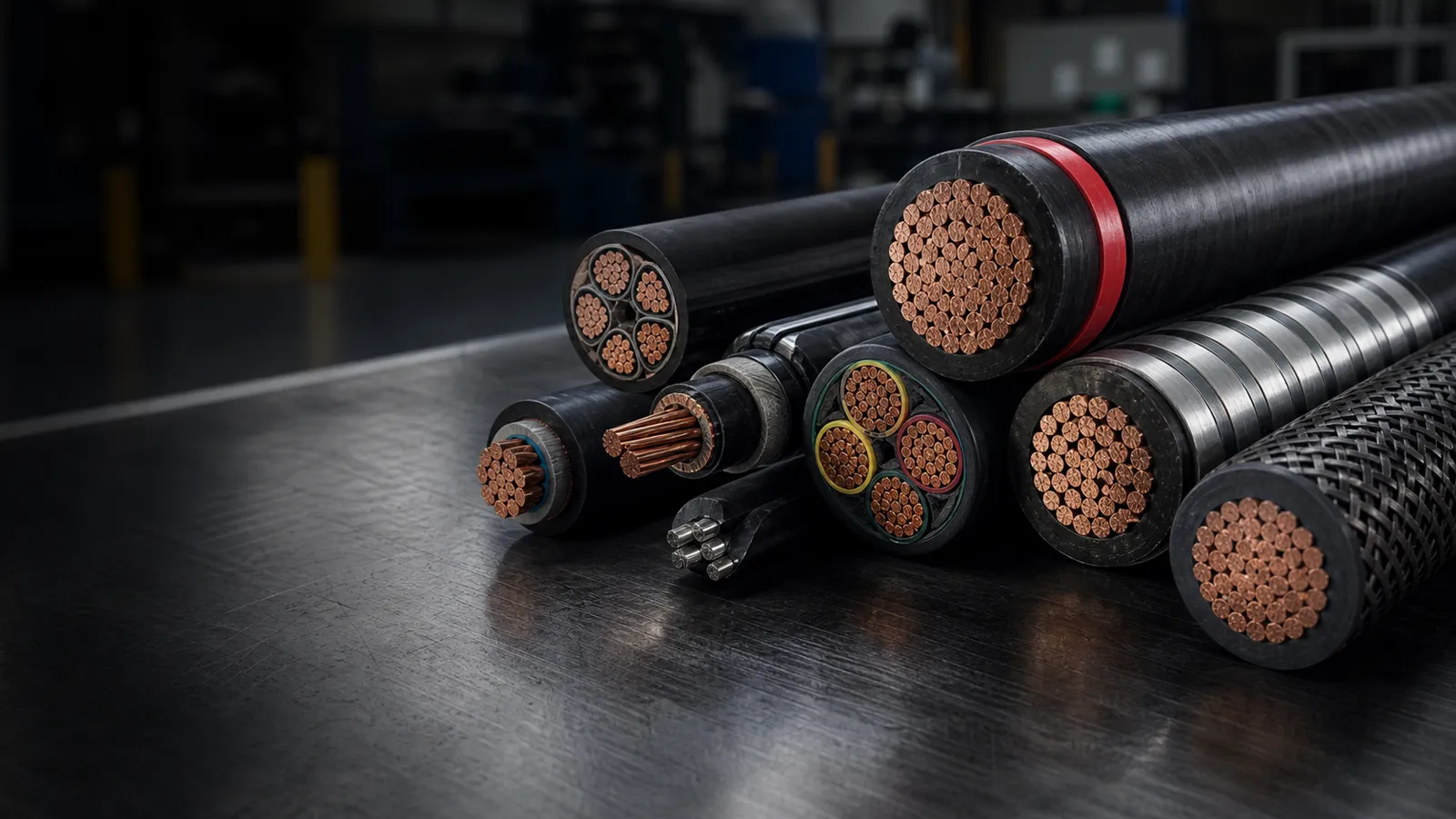
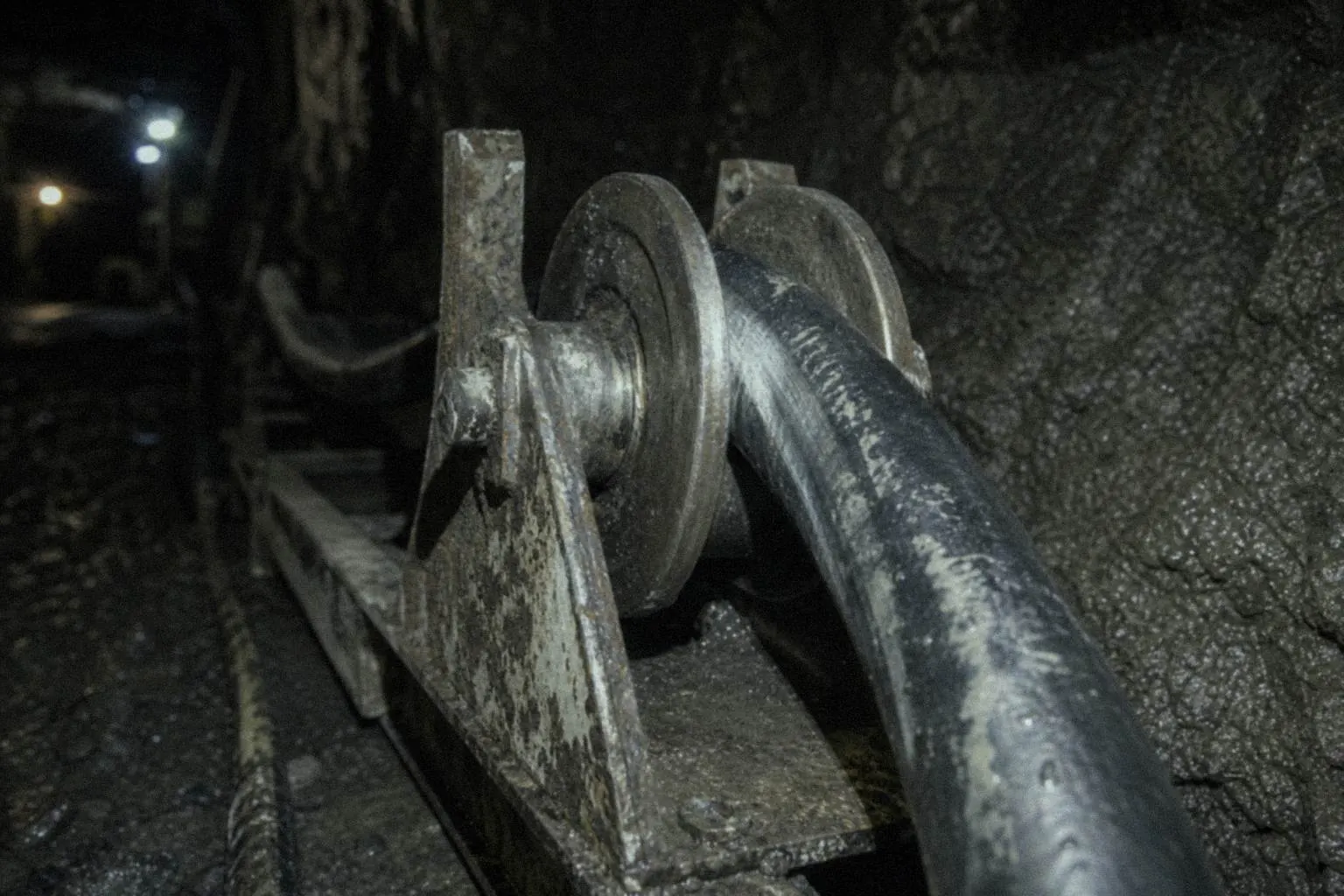
Typical open-pit mobile equipment cable reeling application

DUTY OVERVIEW · TYPE A

Applications

From operating duty to the cable that fits it

Purchasing, engineering, and maintenance teams use this page to turn how equipment actually runs into cable parameters worth discussing — across equipment manufacturing, automation, renewable energy, and site-retrofit projects.

01

Confirm flexibility level by equipment movement

02

Confirm jacket, flame resistance, and abrasion requirements by environment

03

Confirm length, fixing method, and packaging by site installation

APPLICATION DUTY ATLAS

Representative environments / 08 categories

Eight operating environments. One disciplined starting point.

Start with equipment movement, cable route, electrical load, and exposure. The final cable construction is confirmed against the actual project duty.

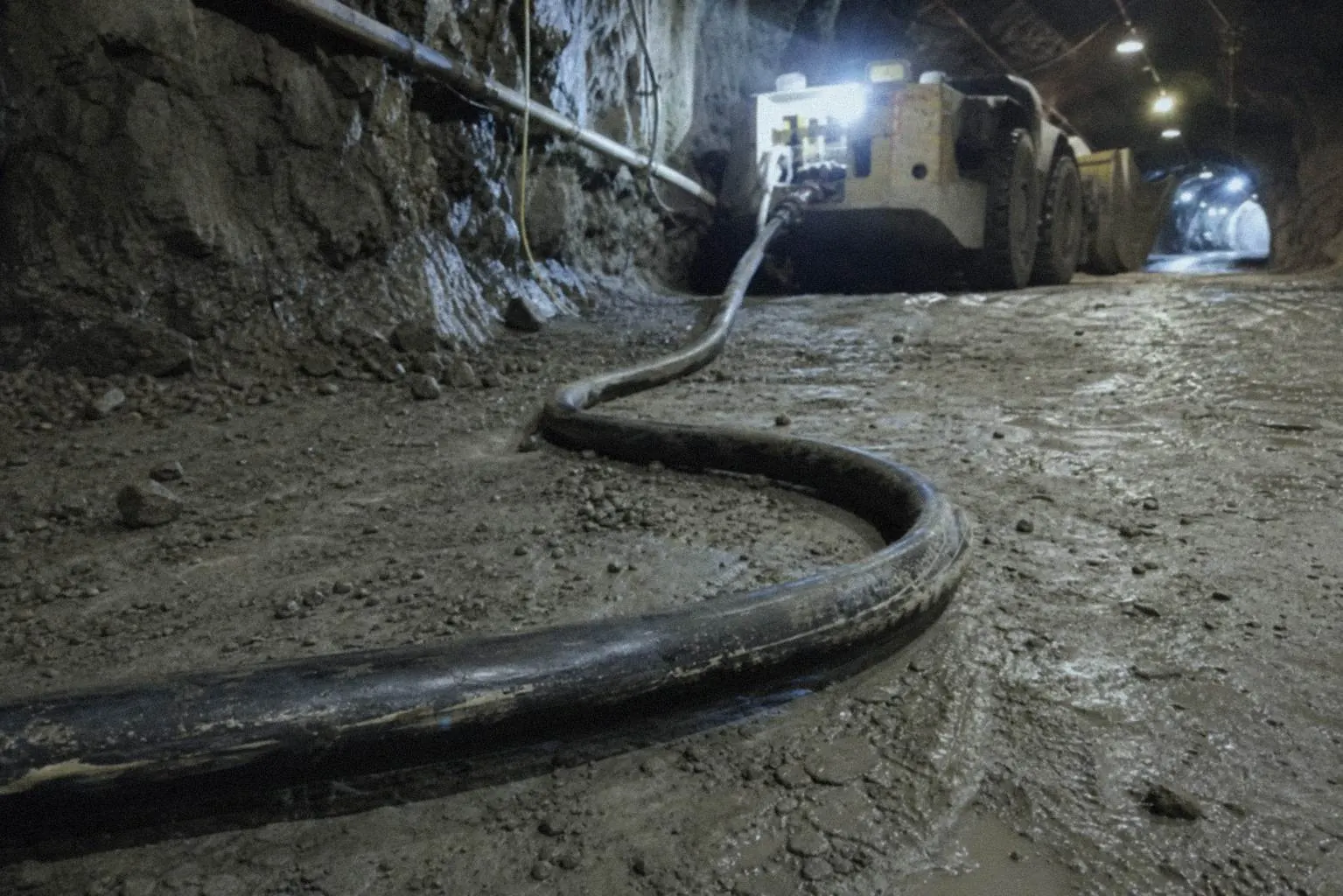
Illustrative underground loader with a trailing-cable route
Typical operating environmentIllustrative image

Mining & tunnelling

Trailing, reeling, and mobile power routes around underground and open-pit equipment.

Confirm first

  • Travel and reel geometry
  • Pulling load and bend radius
  • Abrasion, water, and temperature
Explore related cable paths
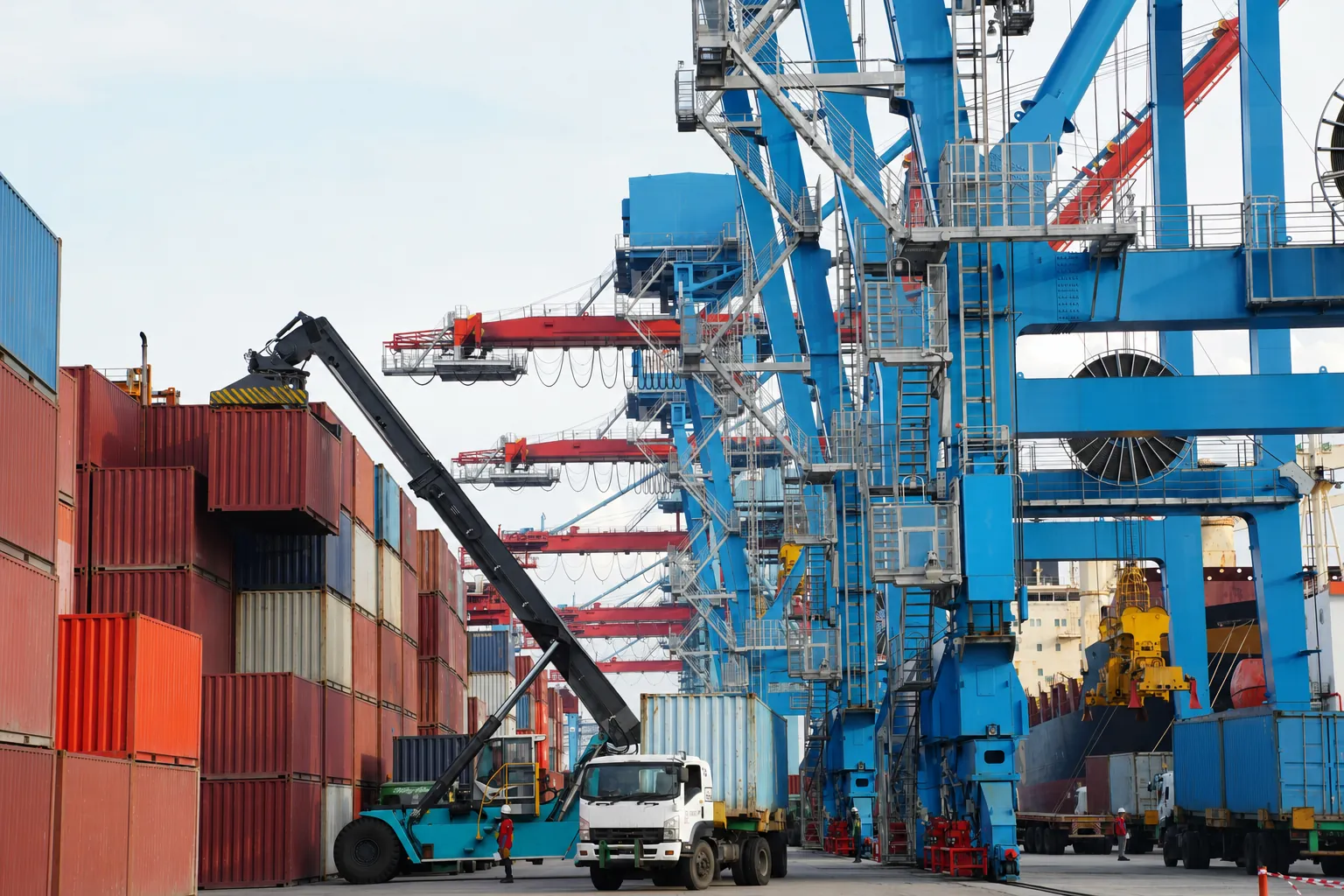
Illustrative container terminal with travelling gantry cranes
Typical operating environmentIllustrative image

Ports, cranes & material handling

Travelling cranes, hoists, stackers, and container-handling equipment with repeated cable movement.

Confirm first

  • Travel distance and speed
  • Reeling or festoon arrangement
  • Outdoor and salt exposure
Explore related cable paths
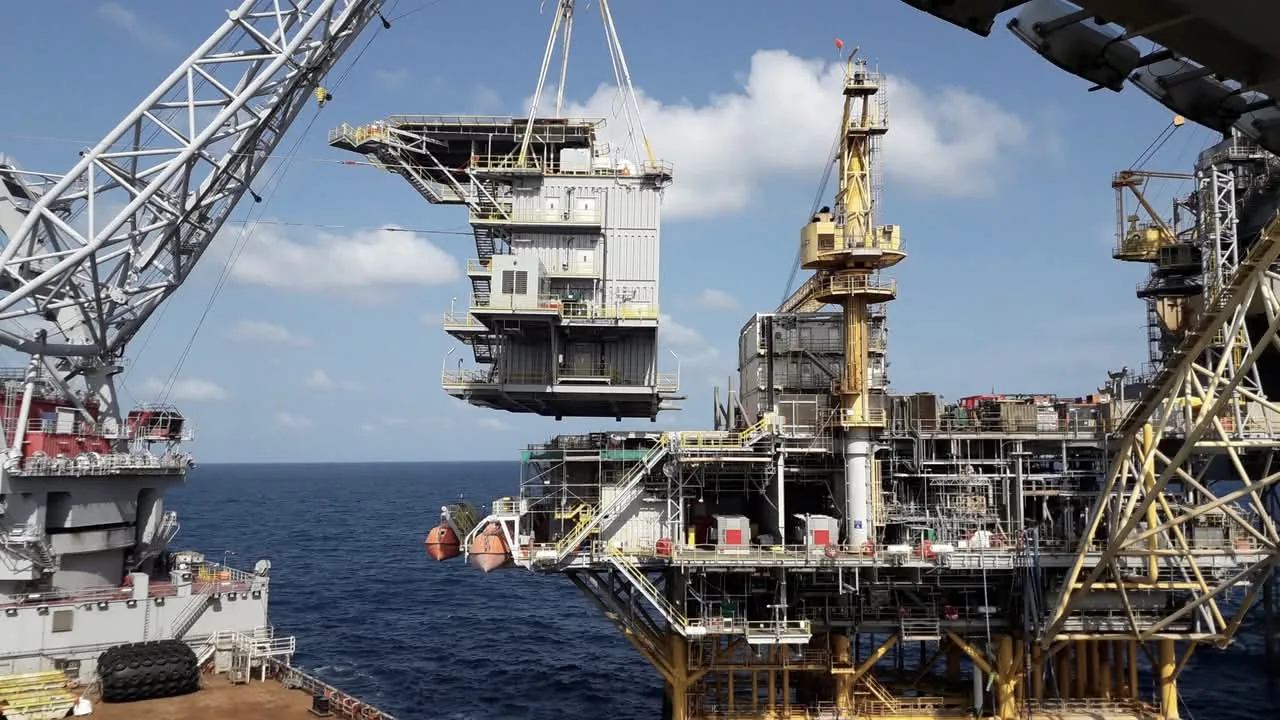
Illustrative offshore equipment environment at sea
Typical operating environmentIllustrative image

Marine, offshore & dredging

Flexible power and control routes around vessels, offshore equipment, and exposed deck environments.

Confirm first

  • Installation and movement
  • Oil, water, and weather exposure
  • Applicable marine documents
Explore related cable paths
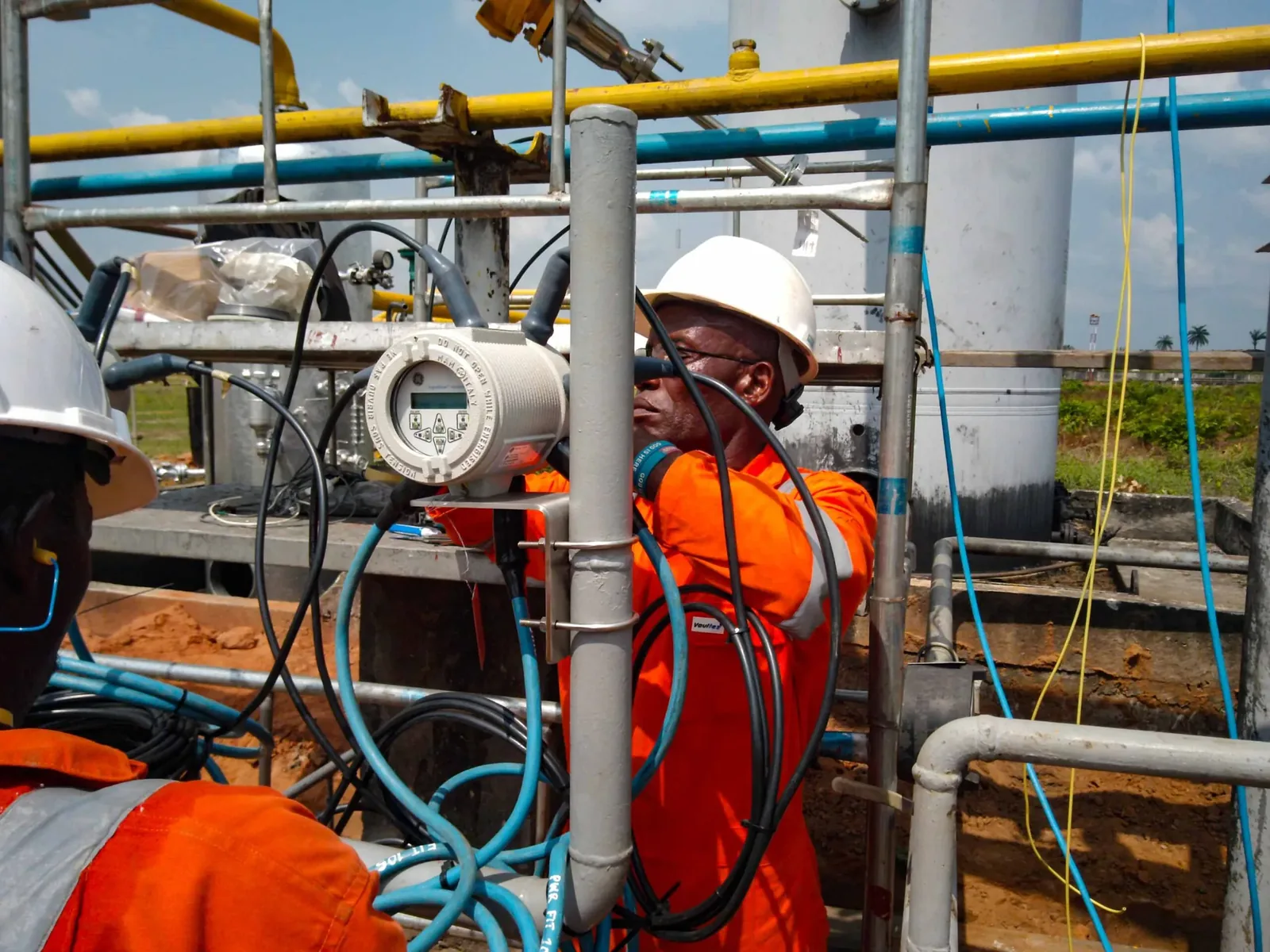
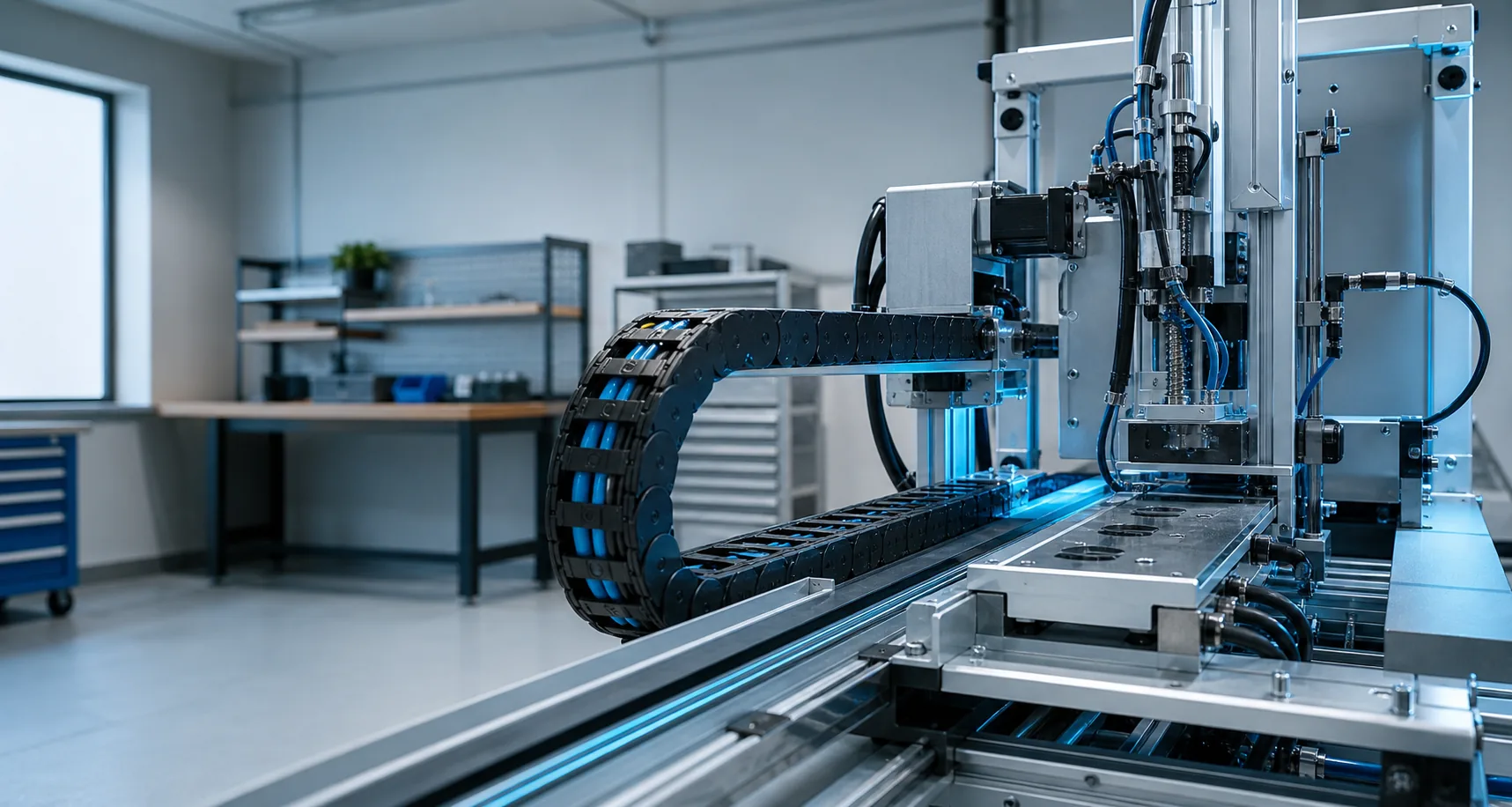
Illustrative technician reviewing an industrial control and instrumentation system
Typical operating environmentIllustrative image

Industrial automation & control

Control and instrumentation routes where signal integrity, termination, and repeated movement matter.

Confirm first

  • Signal and shielding layout
  • Flexing frequency
  • Glands and termination space
Explore related cable paths
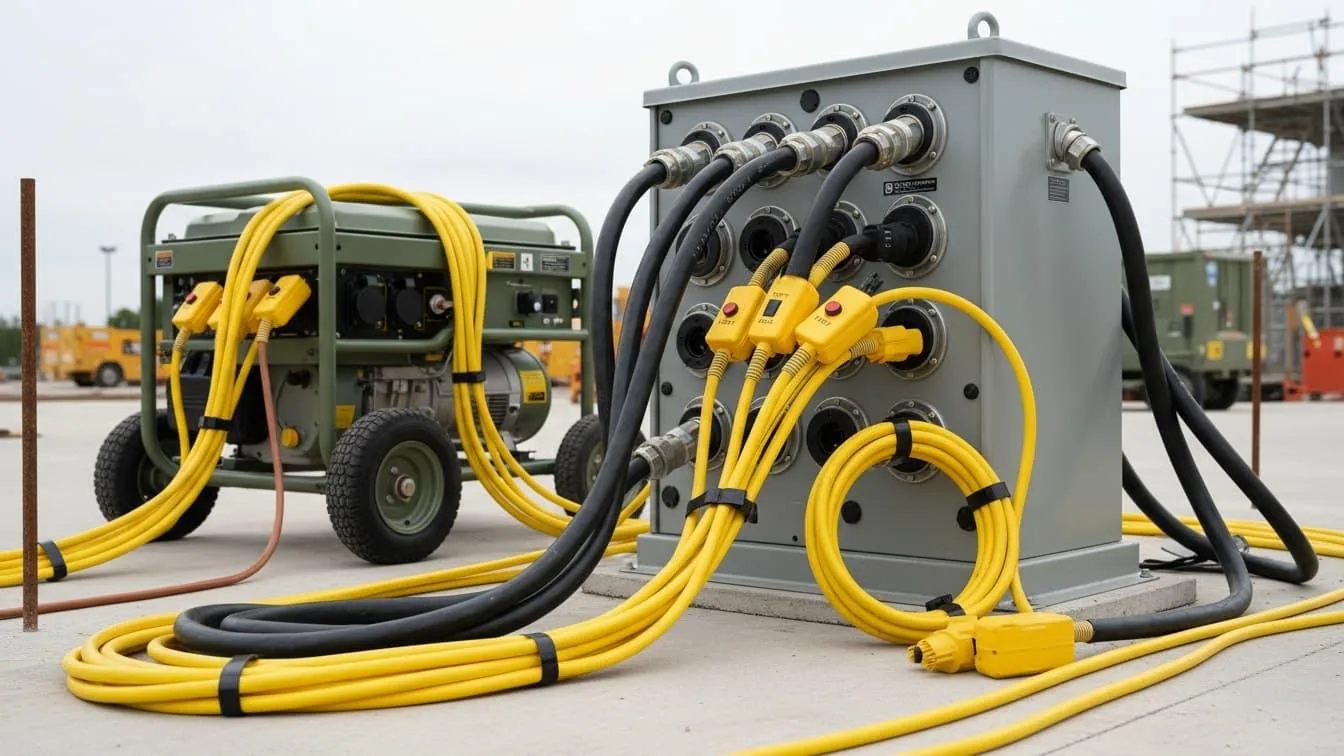
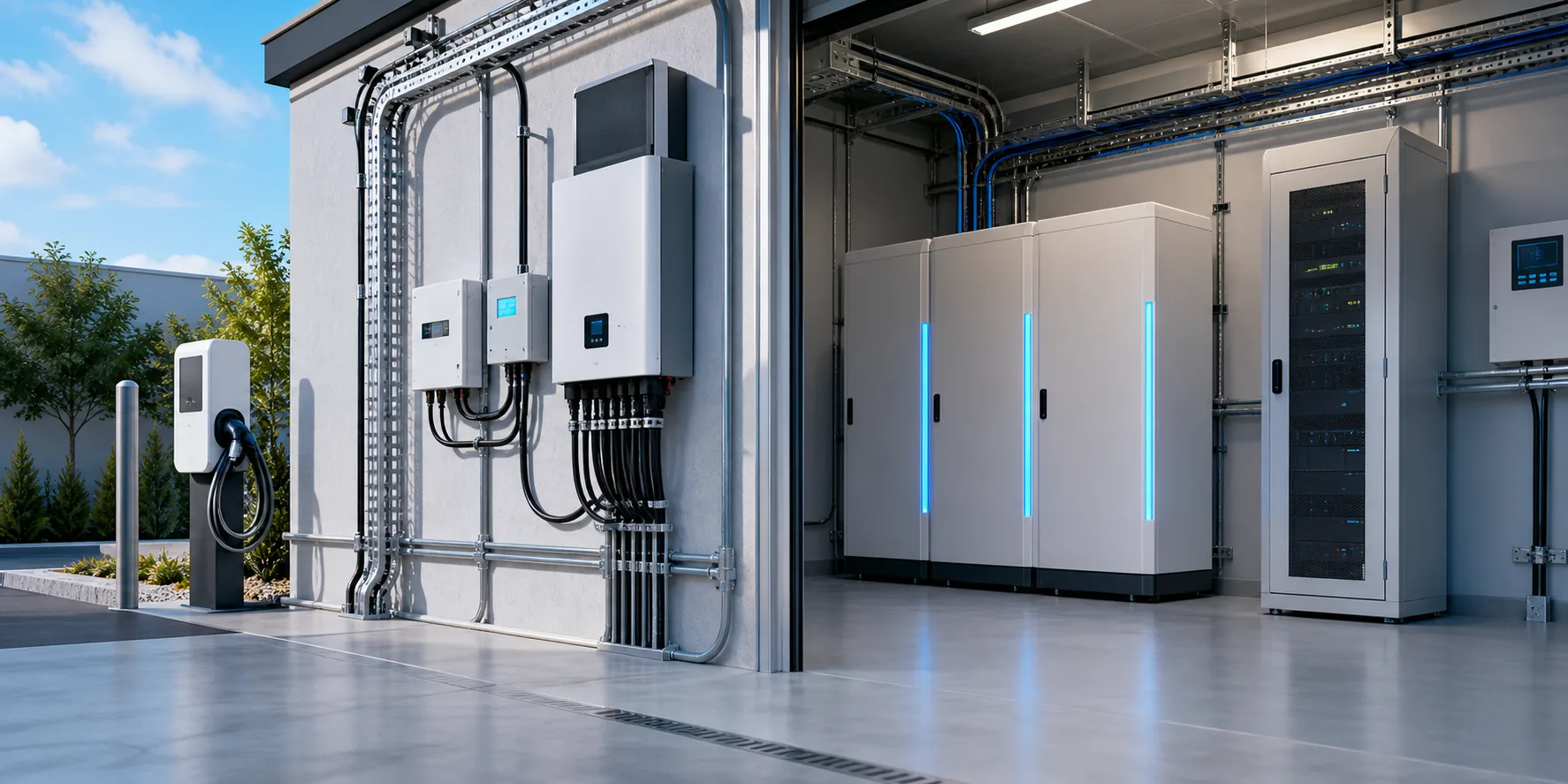
Illustrative generator and portable power-distribution arrangement
Typical operating environmentIllustrative image

Industrial & temporary power

Portable and mobile power distribution for equipment, generators, maintenance, and temporary routes.

Confirm first

  • Voltage and current
  • Route protection
  • Length, connectors, and handling
Explore related cable paths
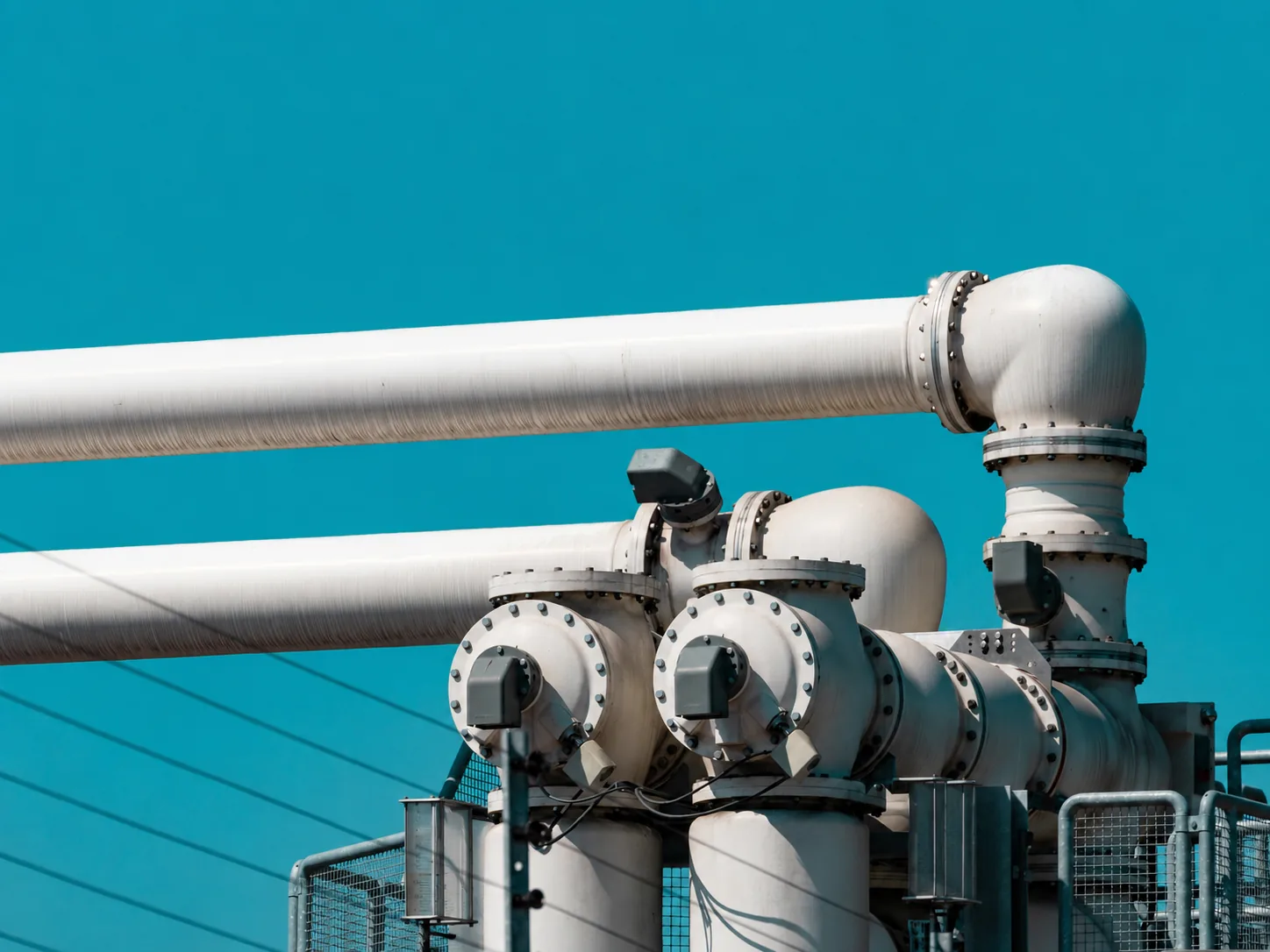
Illustrative pump and pipework in a water-treatment environment
Typical operating environmentIllustrative image

Pumps & water treatment

Pump-motor and submersible routes where water exposure and cable entry details drive selection.

Confirm first

  • Immersion or splash exposure
  • Water depth and route
  • Seal and cable-entry method
Explore related cable paths
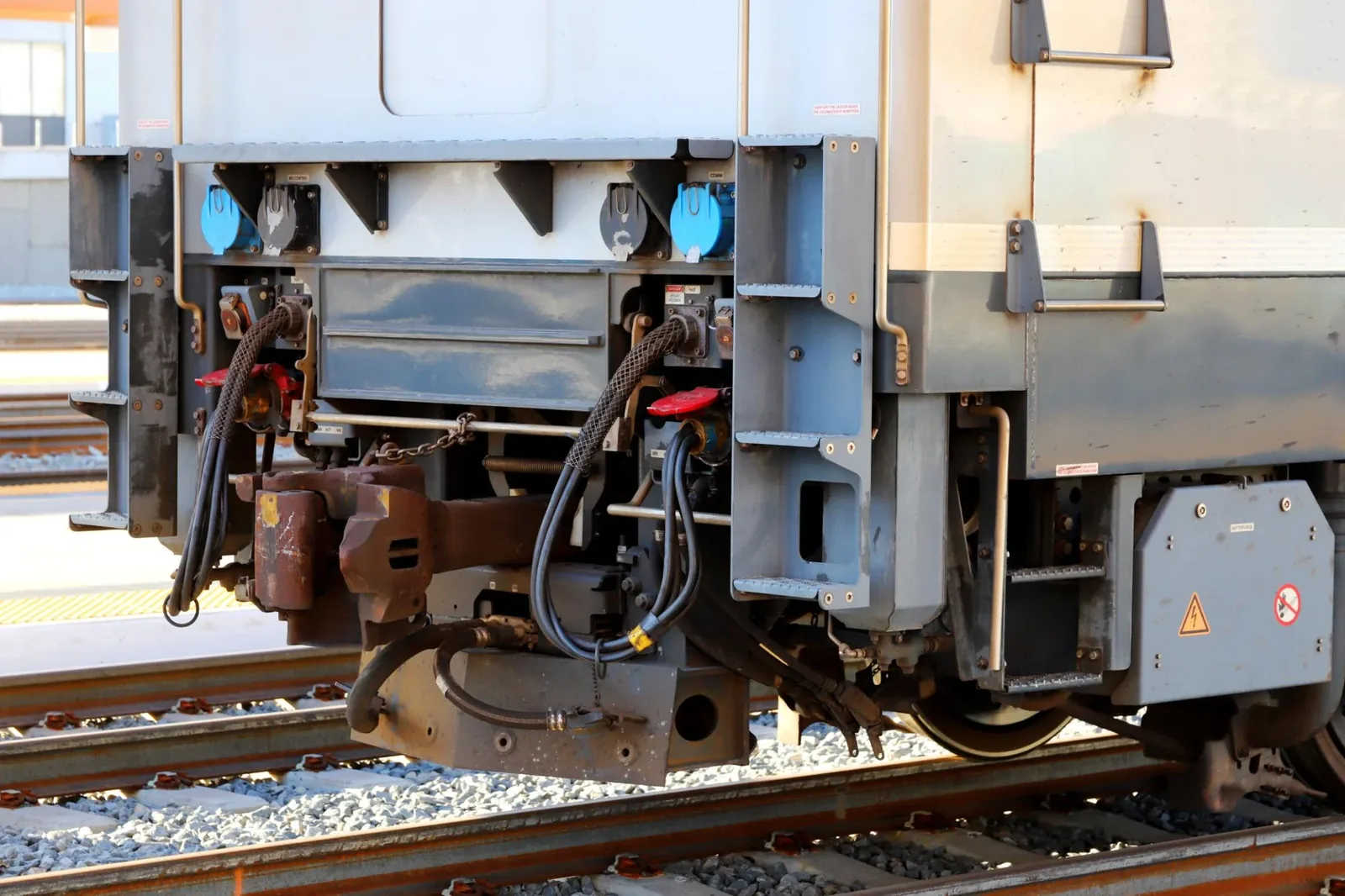
Illustrative locomotive undercarriage and cable-routing environment
Typical operating environmentIllustrative image

Rail & transport

Power routes around locomotive undercarriages, traction equipment, and vibration-prone installations.

Confirm first

  • Voltage and conductor size
  • Vibration and routing
  • Oil, heat, and abrasion
Explore related cable paths
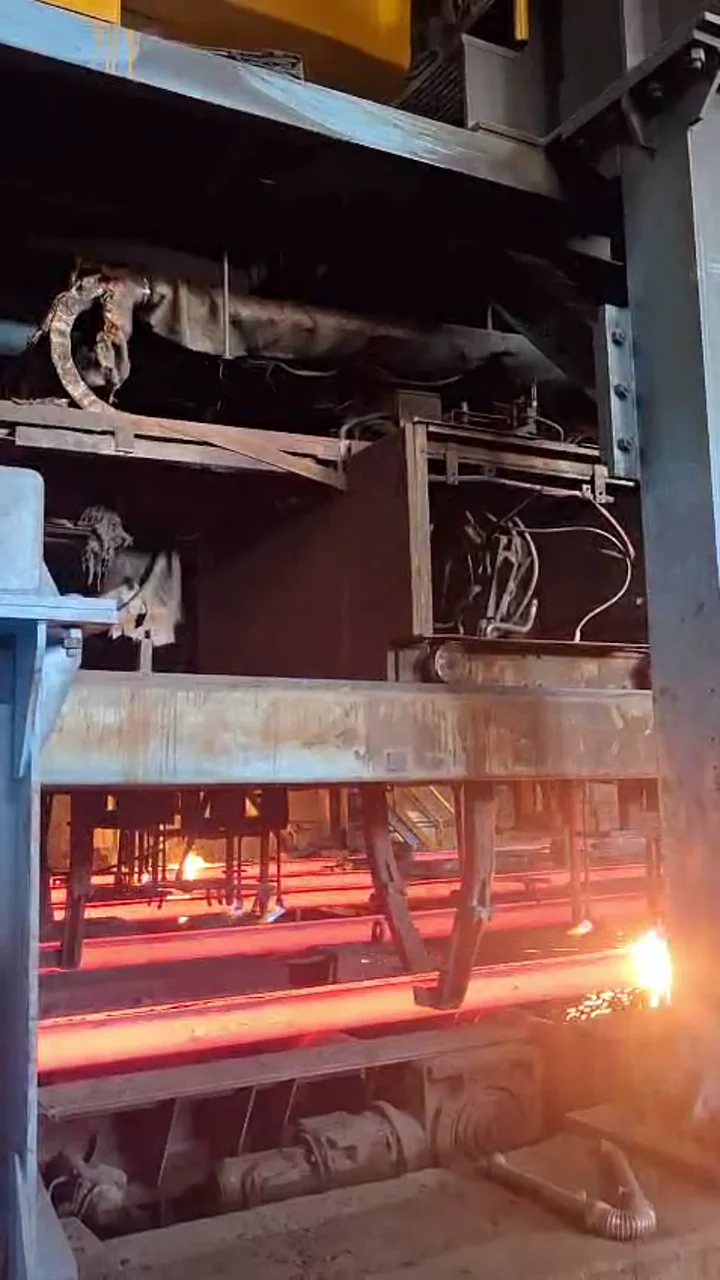
Illustrative oxy-cutting and hot-steel processing environment
Typical operating environmentIllustrative image

Steel & heavy industry

Flexible power routes around steel processing and other high-load industrial equipment.

Confirm first

  • Heat and mechanical exposure
  • Equipment movement
  • Jacket and route protection
Explore related cable paths

All images are representative application references. They are not customer-project records, TEBAOFLEX premises, or evidence of a completed installation.

Duty-first mapping

Matrix / Duty to parameters

Start from the duty, not the part number

Use it to frame the first conversation around what actually drives the construction; it does not replace final technical confirmation.

EquipmentDutyEnvironmentPrioritiesView
Control cabinetsFixed routingProtected equipment spaceCore layout, shielding, termination, routing space
Automation systemsRepeated movementEnergy chain or machine routeBend radius, cycle rate, shielding, jacket wear
Reeling equipmentWinding and trailingMobile industrial routeReel geometry, pulling load, travel distance, jacket
Outdoor powerTemporary or mobile supplyWeather and wet exposureVoltage, cross section, flexibility, route protection
Maintenance retrofitExisting installationSite-specific constraintsOriginal marking, dimensions, connection, required length