
VFD cables
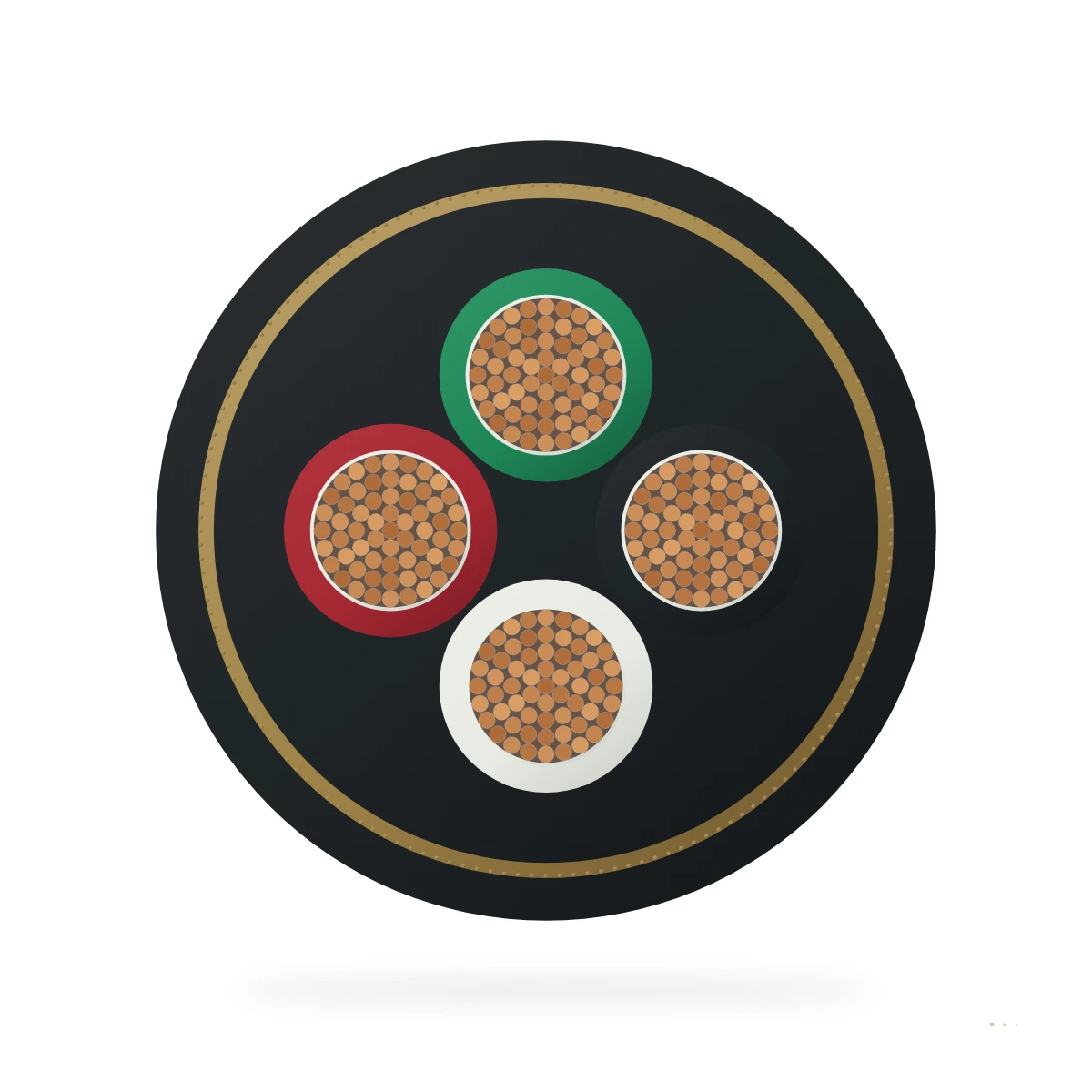
Low-impedance screened power cables from 0.6/1 kV to 2 kV connecting variable-frequency drives to AC motors on mining machinery, marine propulsion and heavy plant.
How does the cable move?
Pick one or more duties — the list below updates.
15 VFD cables
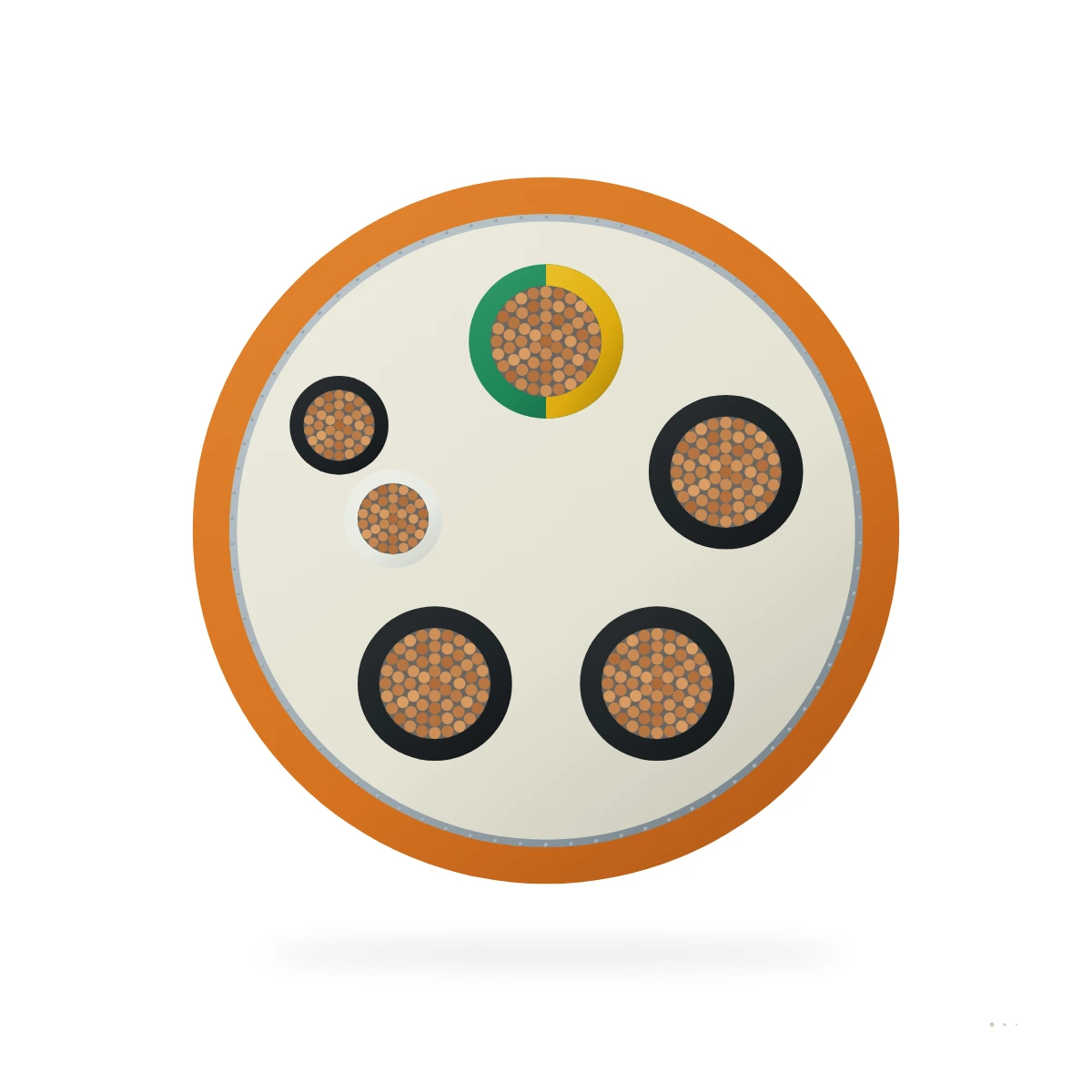
Symmetrical VFD motor feeders
Low-capacitance 3+3 symmetrical and double-screened EMC power cables for frequency converter drives.
4 cables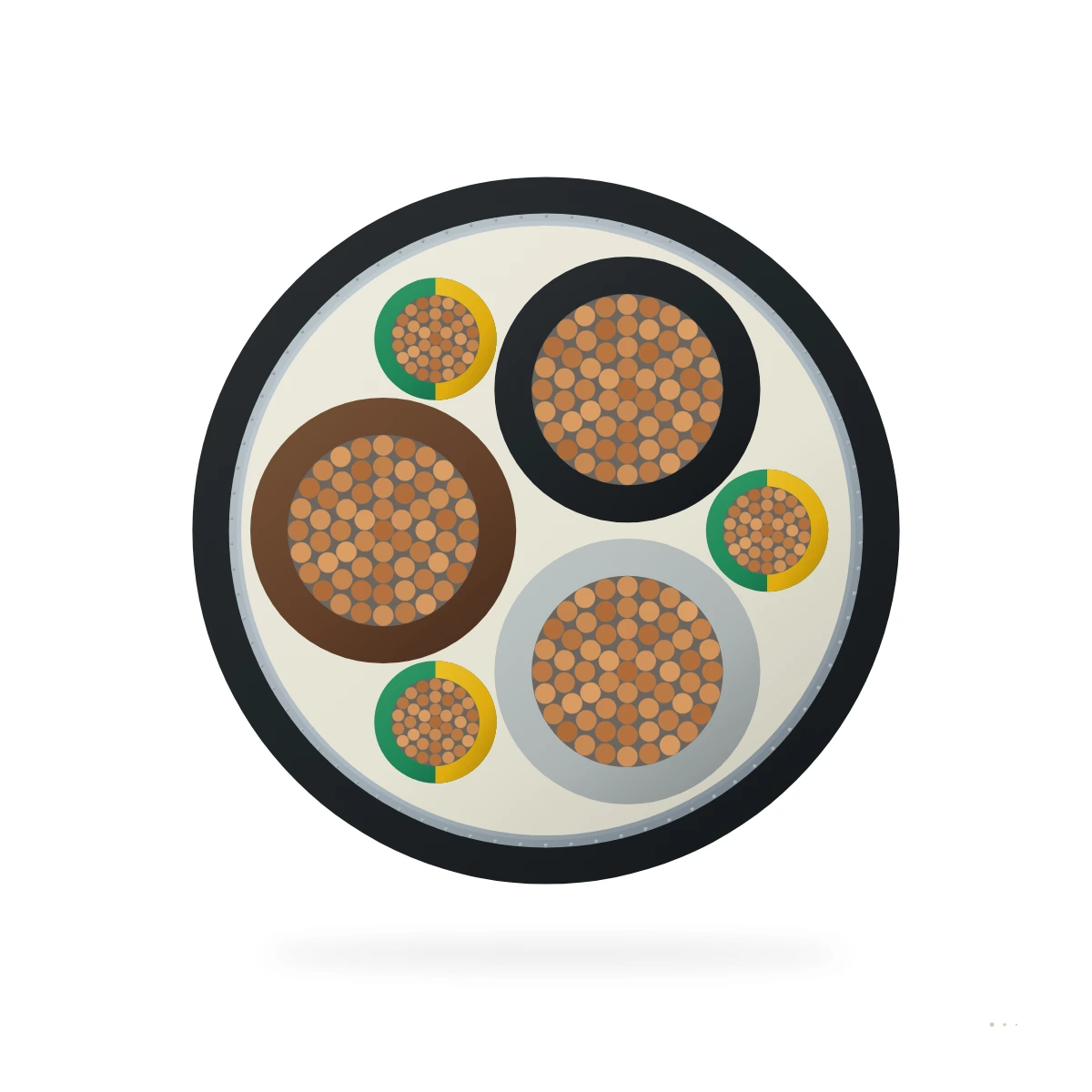
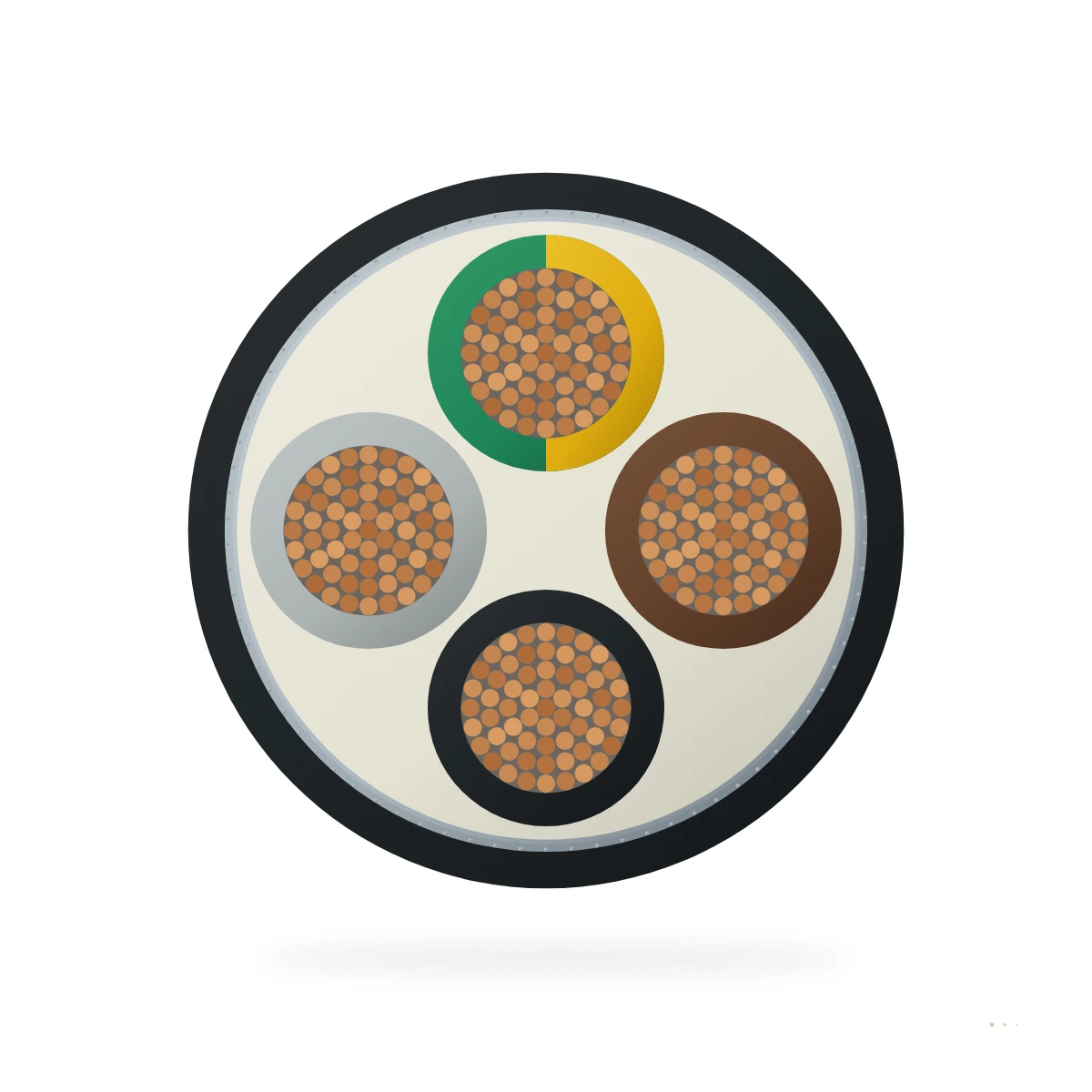
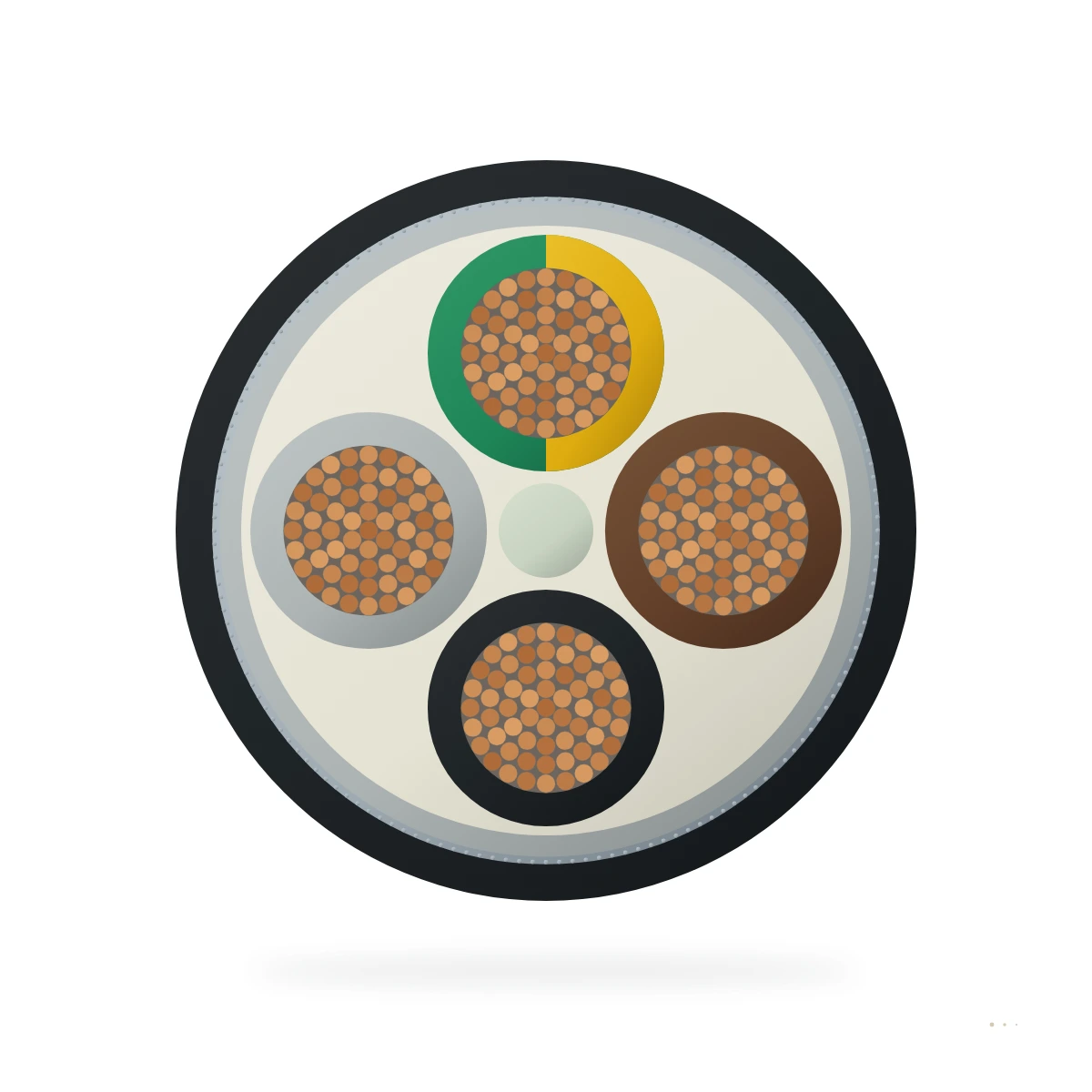
Servo motor and drag-chain drives
PUR and TPE servo power, brake-pair and continuous-flex drag-chain motor connection cables.
6 cables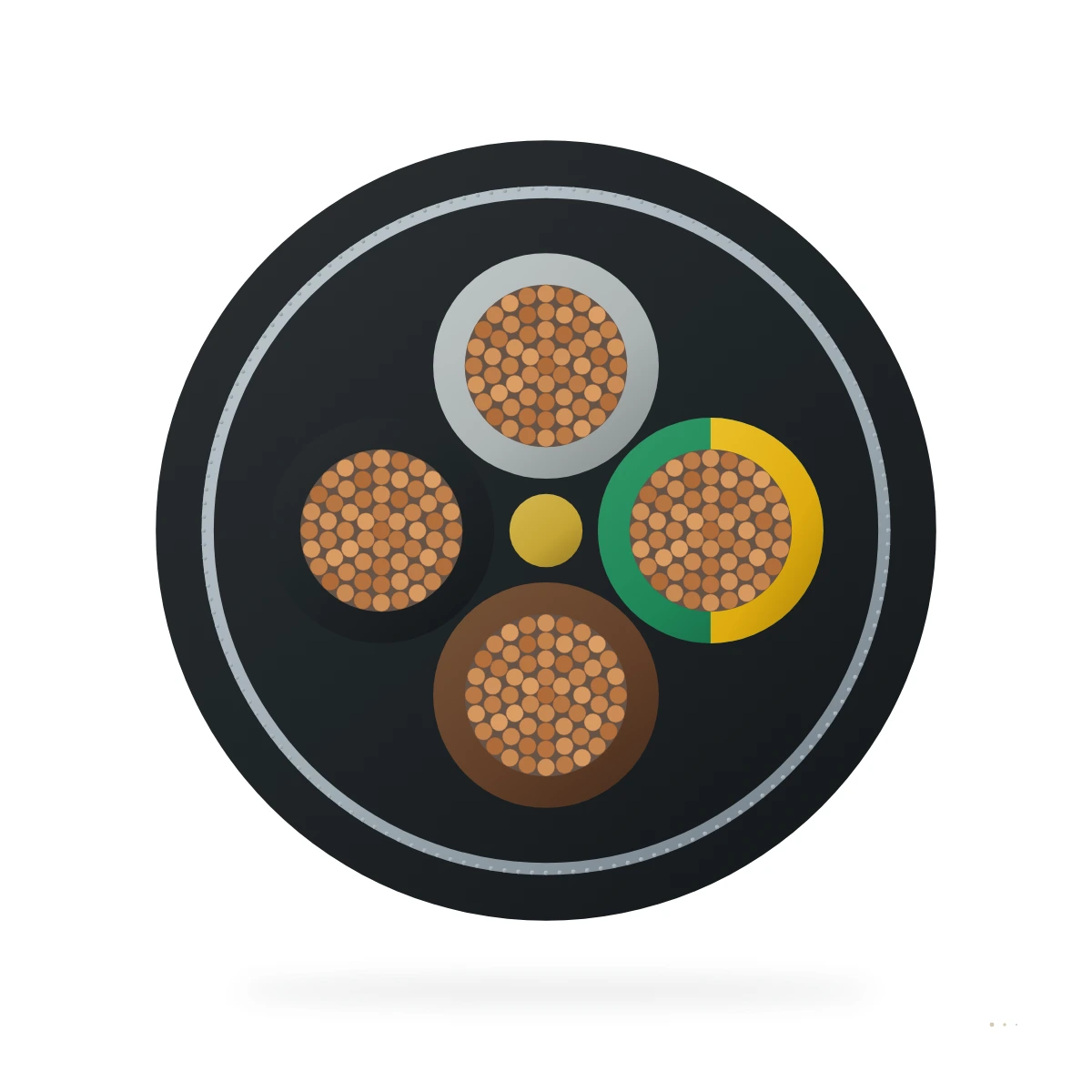
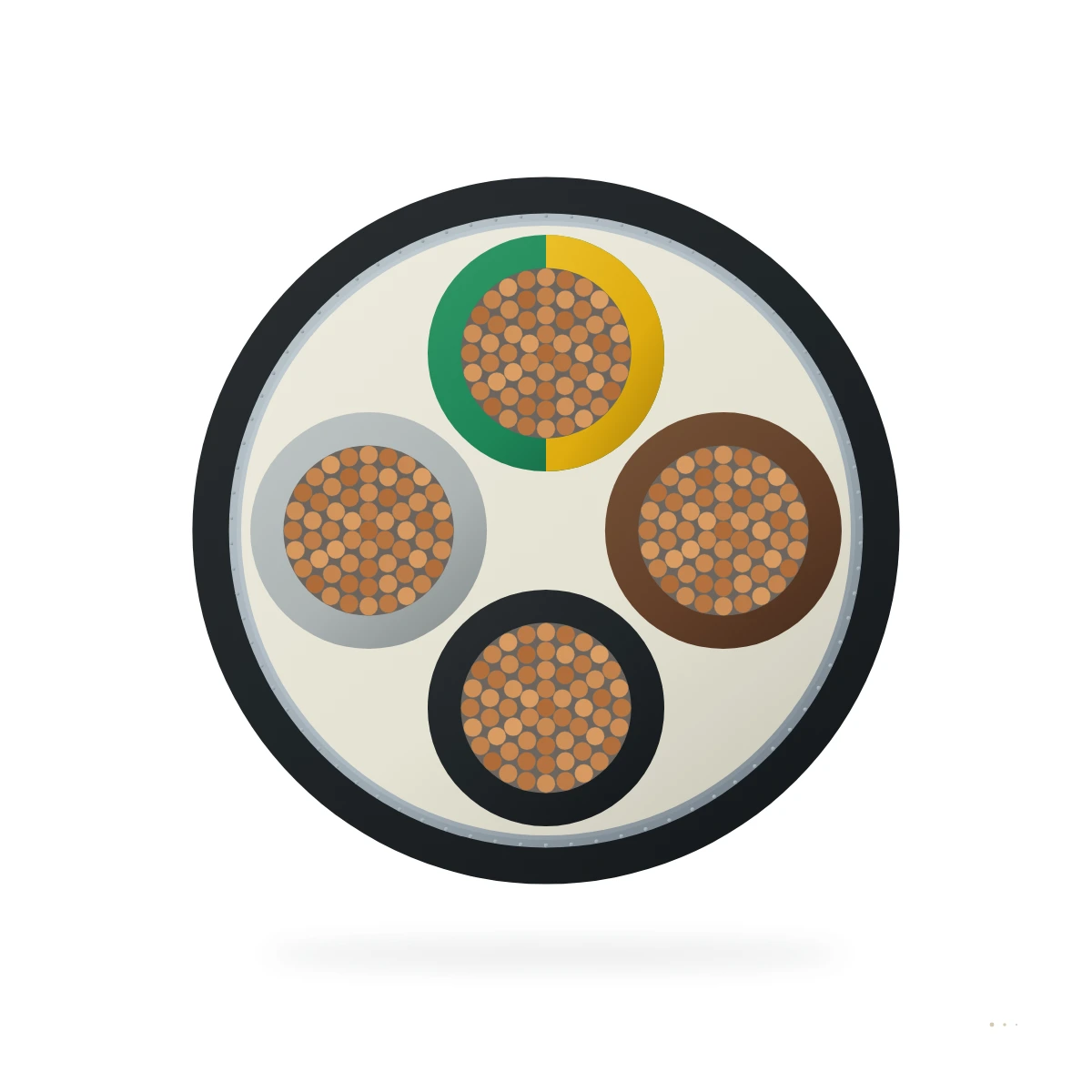
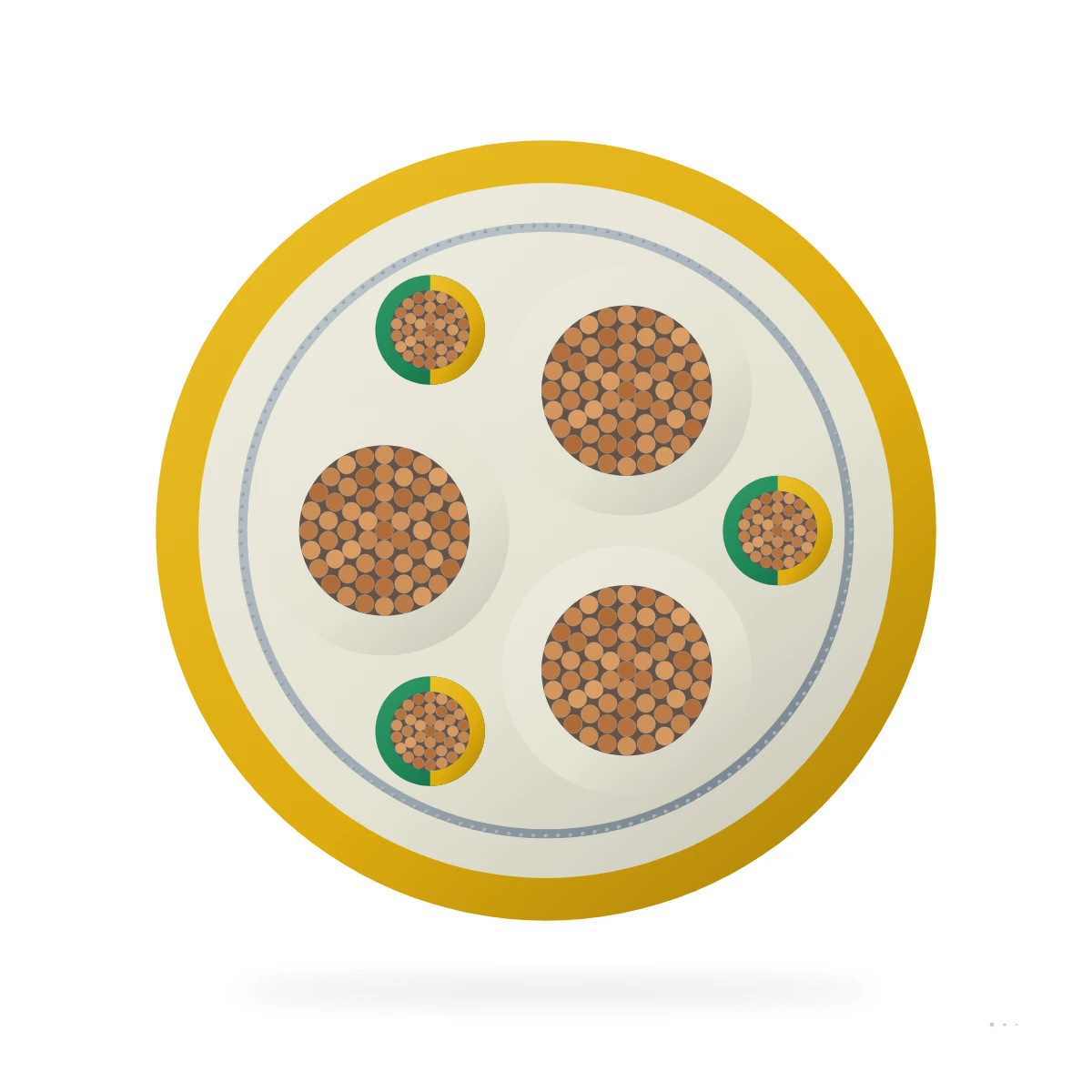
Mining, pump and motor leads
Heavy-duty mining VFD cables, submersible pump VFD feeders, ESP motor leads and silicone leads.
5 cables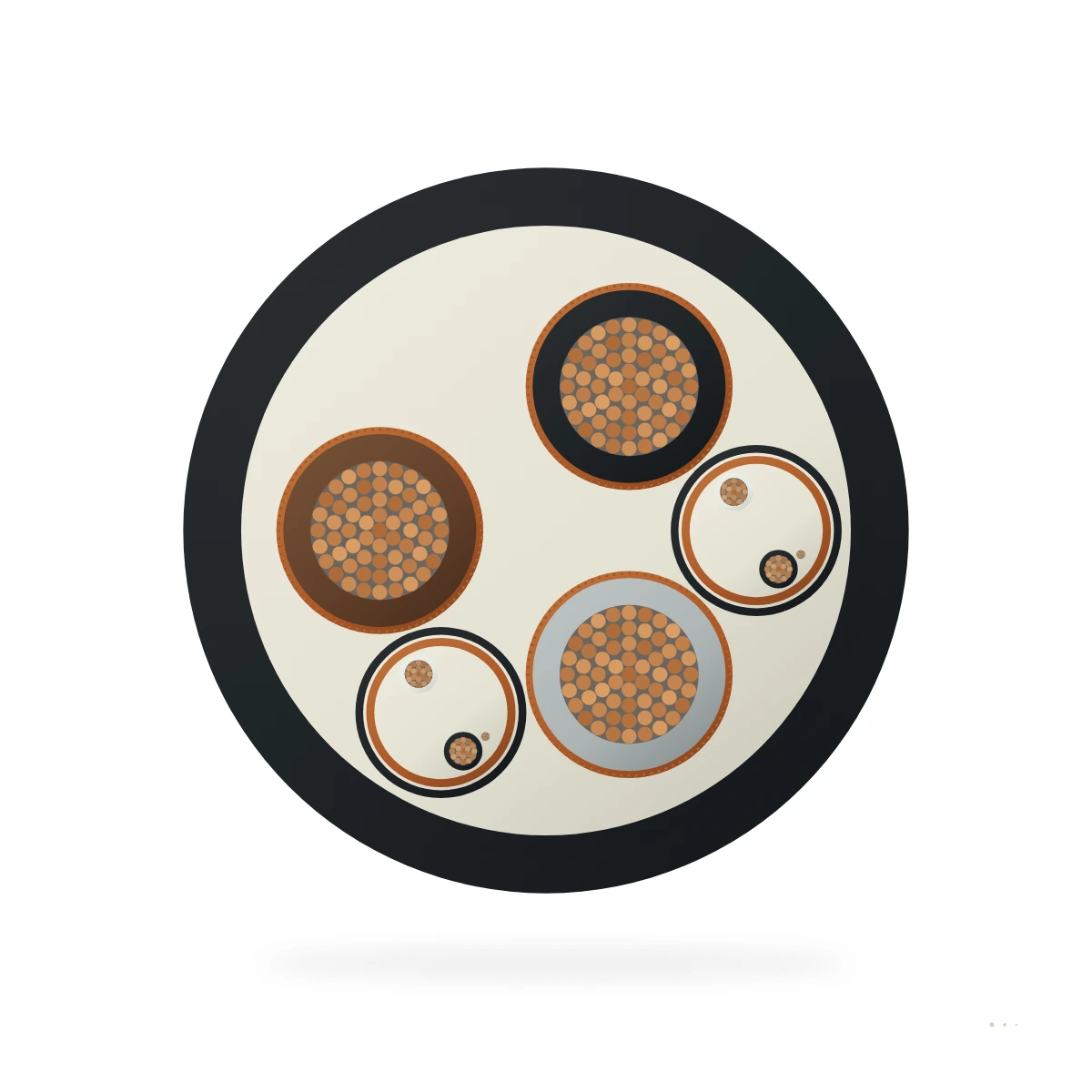
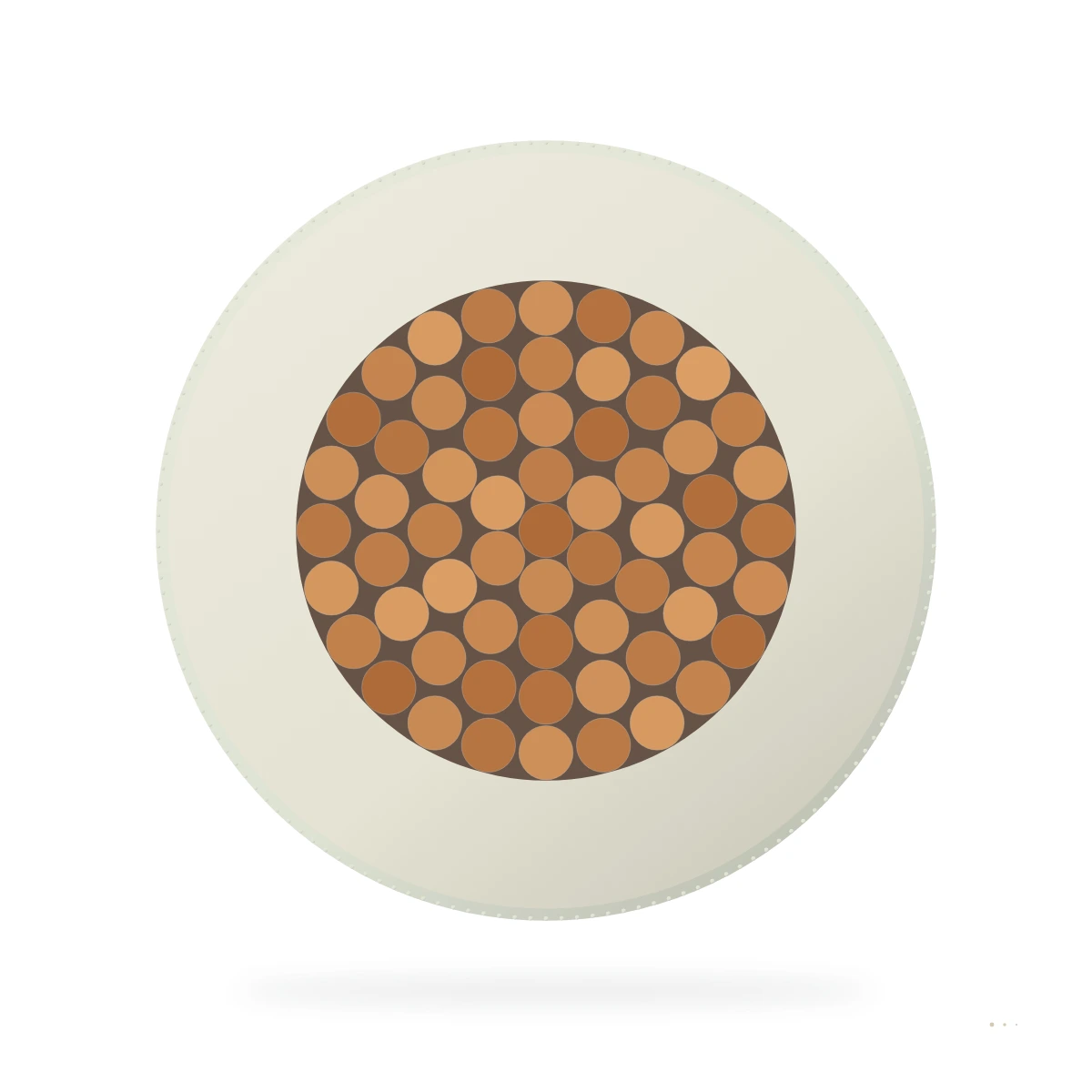
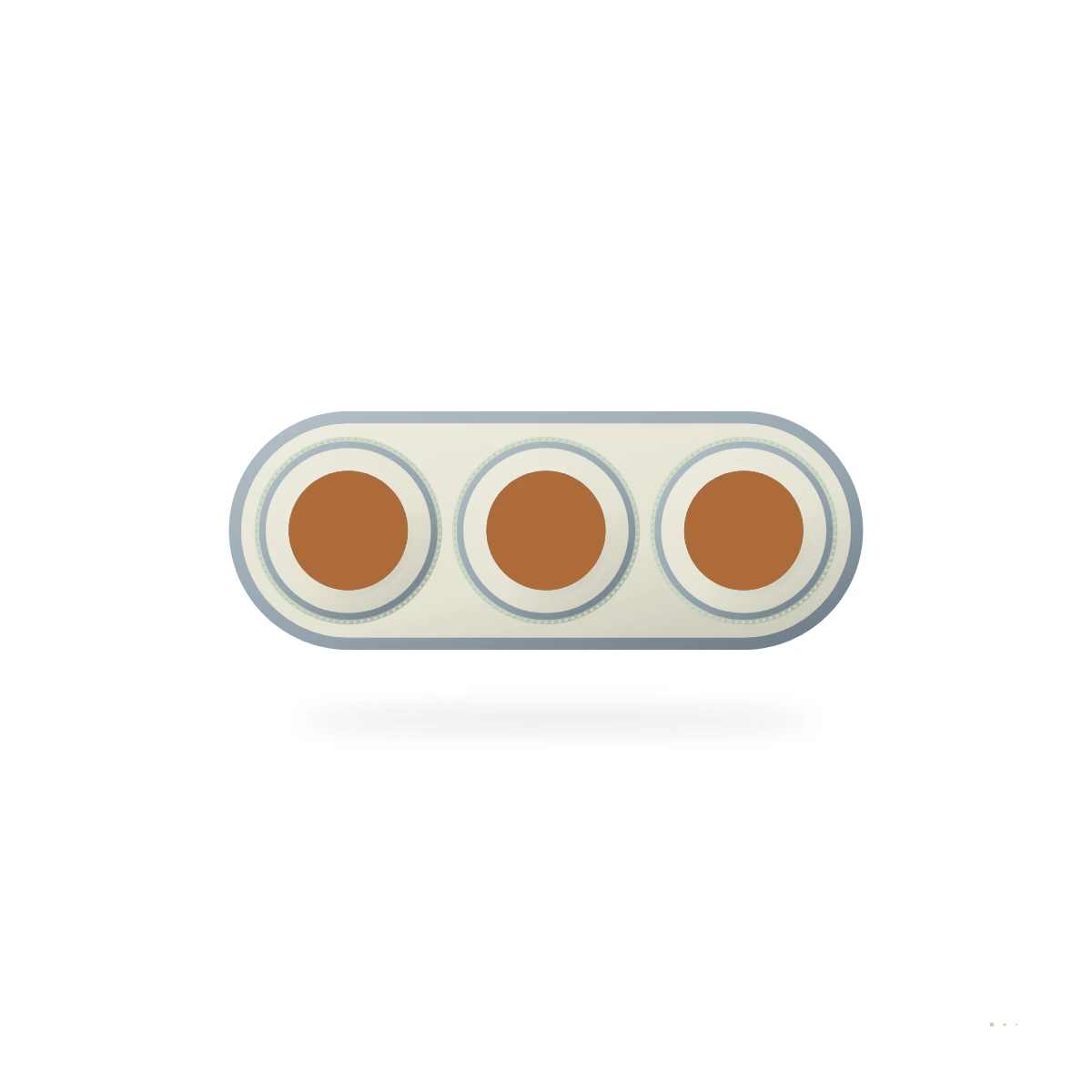
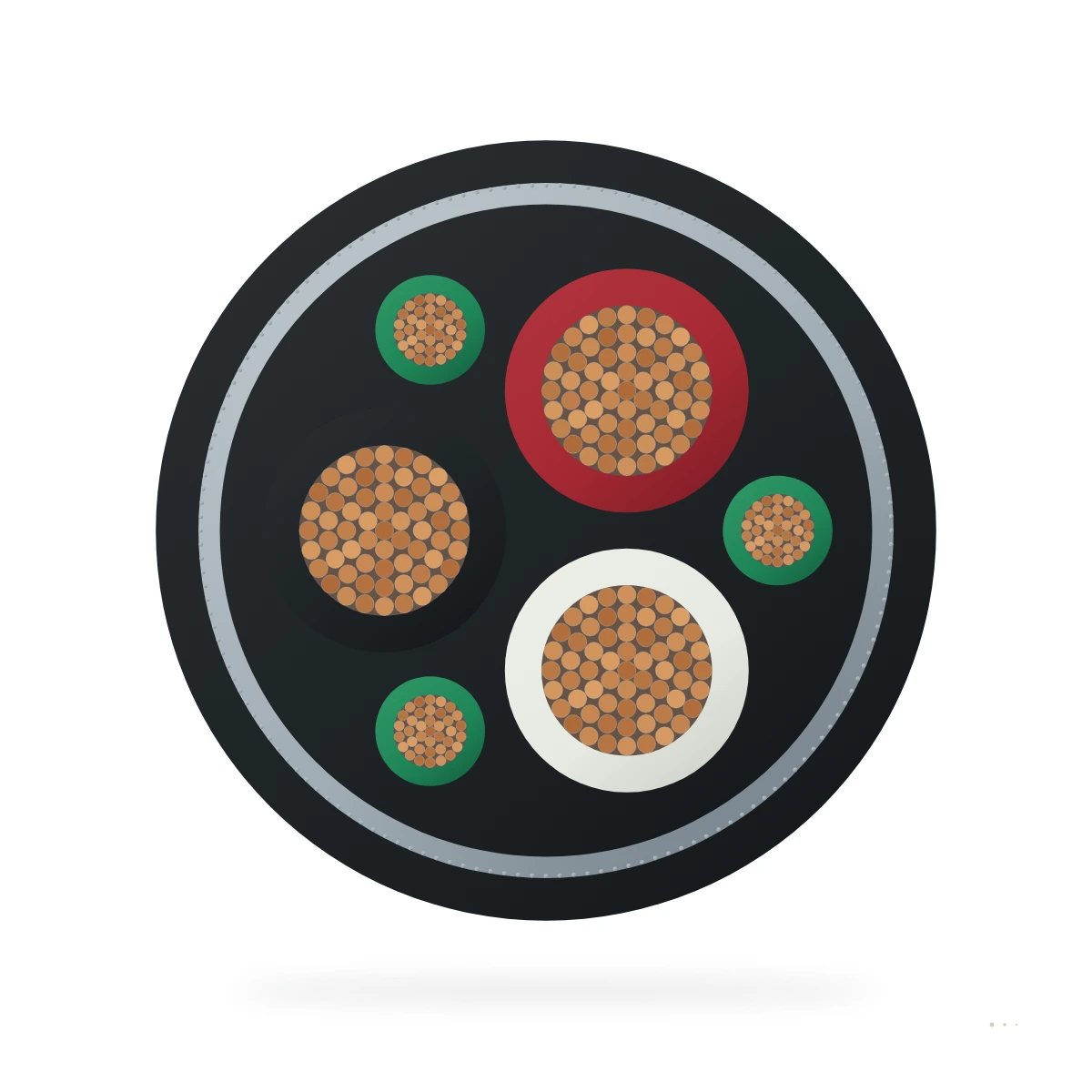
Choosing VFD cables
Four things decide most selections. Our engineers check the rest against your application.
Application and movement duty
- Define whether the cable runs in a fixed tray, energy chain, festoon loop, reel or trailing route.
- Match travel speed, bend radius and tensile load to the mechanical construction.
- Select a support element or armour when the cable carries suspended weight or external crush loads.
Voltage class and core layout
- Match the rated voltage U0/U to the supply system and earthing arrangement.
- Specify phase cross-sections, protective earth, pilot cores or control pairs required by the machine.
- Include copper braid, tape or semiconductive screens where EMC or electric-field control is needed.
Operating environment and sheath
- Choose rubber, PUR, LSZH, PVC, fluoropolymer or silicone sheaths for the thermal and chemical exposure.
- Verify oil, UV, water immersion, cold-flex or circuit-integrity ratings against site conditions.
- Check outer diameter and gland compatibility at both terminations.
Standard and documentation
- Confirm the governing standard family required by the project specification.
- Verify conductor class, colour code or core numbering for the destination region.
- Include operating duty and cable length in your enquiry so we can confirm the build.
Questions buyers ask
Not covered here? Send your drawing and an engineer replies within 2 business hours.
Ask on WhatsAppHow do I select the right VFD cable from this range?
Start by filtering the list by movement duty, voltage band and sheath material. Compare how each VFD cable is constructed—conductor flexibility, insulation compound, screening and outer jacket—against your machine's bending radius, travel speed and ambient temperature. Open the product page or datasheet to check core counts, cross-sections and outer diameters before sending your enquiry.
When should VFD cables include metallic screening or armour?
Specify a copper braid or foil screen when VFD cables run near variable-frequency drives, carry analogue or fieldbus signals, or require medium-voltage electric-field control. Choose steel wire braid or armour when the installation faces rock fall, crushing loads or high pulling tension in roadways, decks or subsea routes.
Which outer sheath compound suits harsh industrial environments?
Heavy-duty rubber (PCP or CPE) provides balanced mechanical toughness, weather resistance and thermal stability. Polyurethane (PUR) resists cuts, abrasion and mineral oils on fast-moving chains, reels and trolleys. Halogen-free LSZH compounds reduce smoke and acid gas in tunnels, ships and enclosed buildings, while fluoropolymers and silicone handle extreme heat.
What details should I include in an RFQ for VFD cables?
Include the model designation or governing standard, rated voltage, number of cores and conductor cross-sections, along with the installation method, minimum bend radius, ambient temperature range and required delivery lengths. If you are replacing an existing cable on a machine, share the sheath marking so we can match the specification.
Engineering reference
Background on how VFD cables are built, rated and specified.
Read the full reference
VFD cable connects a variable-frequency drive to an AC motor and is designed around the electrical behaviour of pulse-width-modulated drive output. Fast switching edges can create transient voltage stress, high-frequency common-mode current and electromagnetic interference that an ordinary power-cable installation may not manage well. A suitable VFD cable combines an appropriate insulation system, conductor and protective-earth geometry, shielding and installation method. It is selected as part of the drive-motor system, not only by nominal motor current.
VFD cable is used on pumps, fans, conveyors, crushers, hoists, excavators, stacker-reclaimers, mining machines, offshore equipment and other variable-speed motor loads. Searchers commonly need to determine whether a shielded motor cable is required, how conductor and grounding geometry affect noise, and what information belongs in a cable enquiry. The answers depend on drive voltage and topology, motor rating, lead length, switching frequency, surrounding control circuits, movement, environment and the drive manufacturer's instructions.
TEBAOFLEX's VFD Cable range includes several product families. The VFD Mining Cable is a screened flexible rubber construction for converter-fed motors in mining, tunnelling and material-handling applications. Its common construction has three Class 5 tinned-copper power conductors, EPR insulation, a protective-earth conductor divided into three sections, an overall tinned-copper braid, an EPR inner sheath and a heavy-duty 5GM5-type outer sheath. IEEE 1580 Type P is a marine and offshore family with dedicated VFD configurations available by model, alongside separate power, control and instrumentation products. Exact voltage, armour, outer sheath, fire performance and approval scope depend on the selected Type P construction. These families support heavy industrial, mining and marine/offshore applications; they do not represent every generic building, automation or continuous-flex VFD cable type.
Begin selection with the drive and motor data. Provide line and motor voltage, motor power, full-load current, drive manufacturer and model, output topology, carrier frequency and maximum permitted motor-lead length. State the actual route length, not only straight-line distance. Long leads can increase reflected-wave and capacitive-current concerns, and the drive manufacturer may require output reactors, dV/dt filters or other measures. Cable selection should be coordinated with those limits rather than presented as a stand-alone cure.
Insulation must be assessed for PWM output, temperature and system voltage. A conventional mains-cable rating or a voltage-spike claim borrowed from another product is not sufficient for selection. The VFD Mining Cable is rated 0.6/1 kV; confirm the marking for the selected model in the datasheet and quotation. For Type P, choose the dedicated VFD model and its stated voltage class; a general Type P power cable is not automatically the VFD construction.
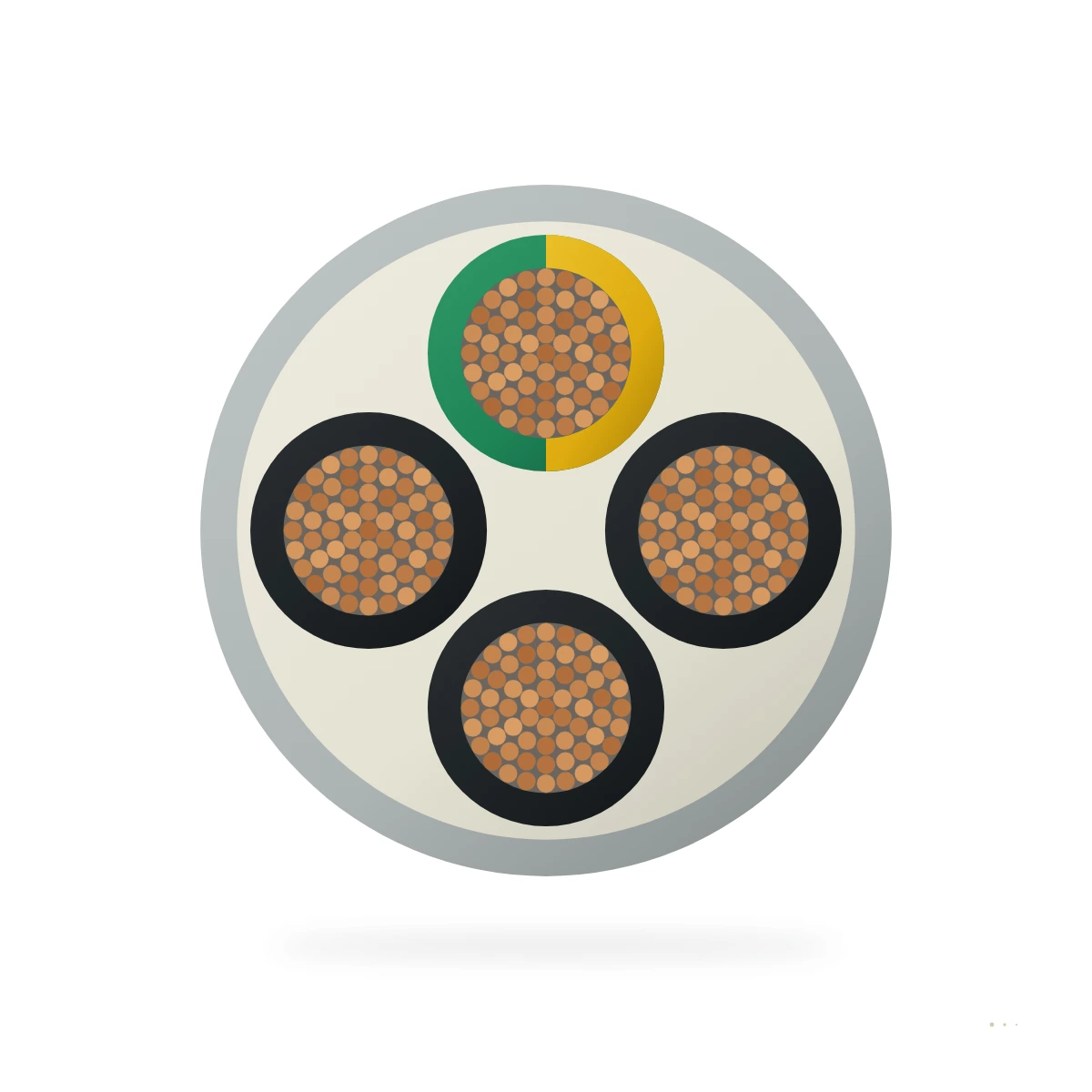
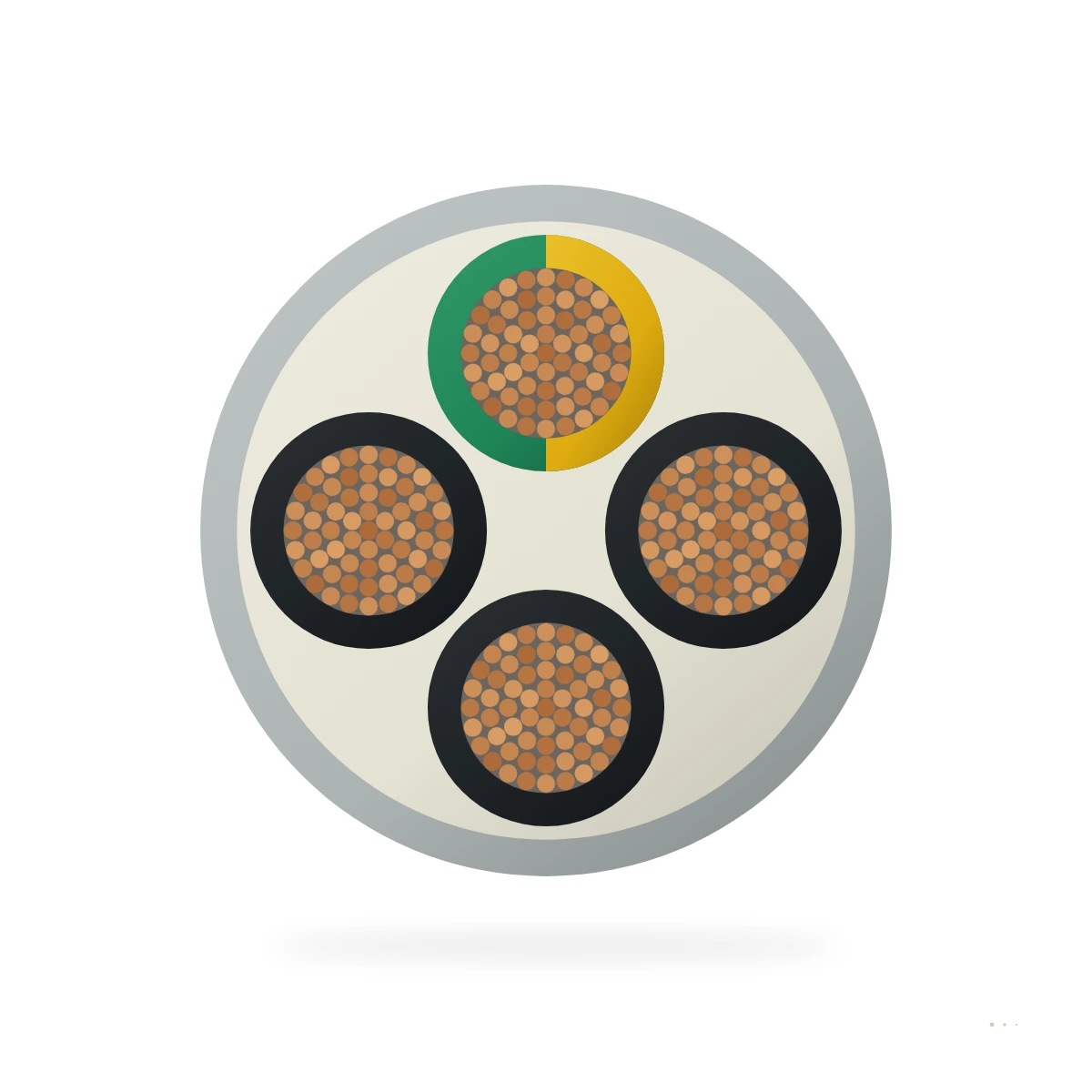
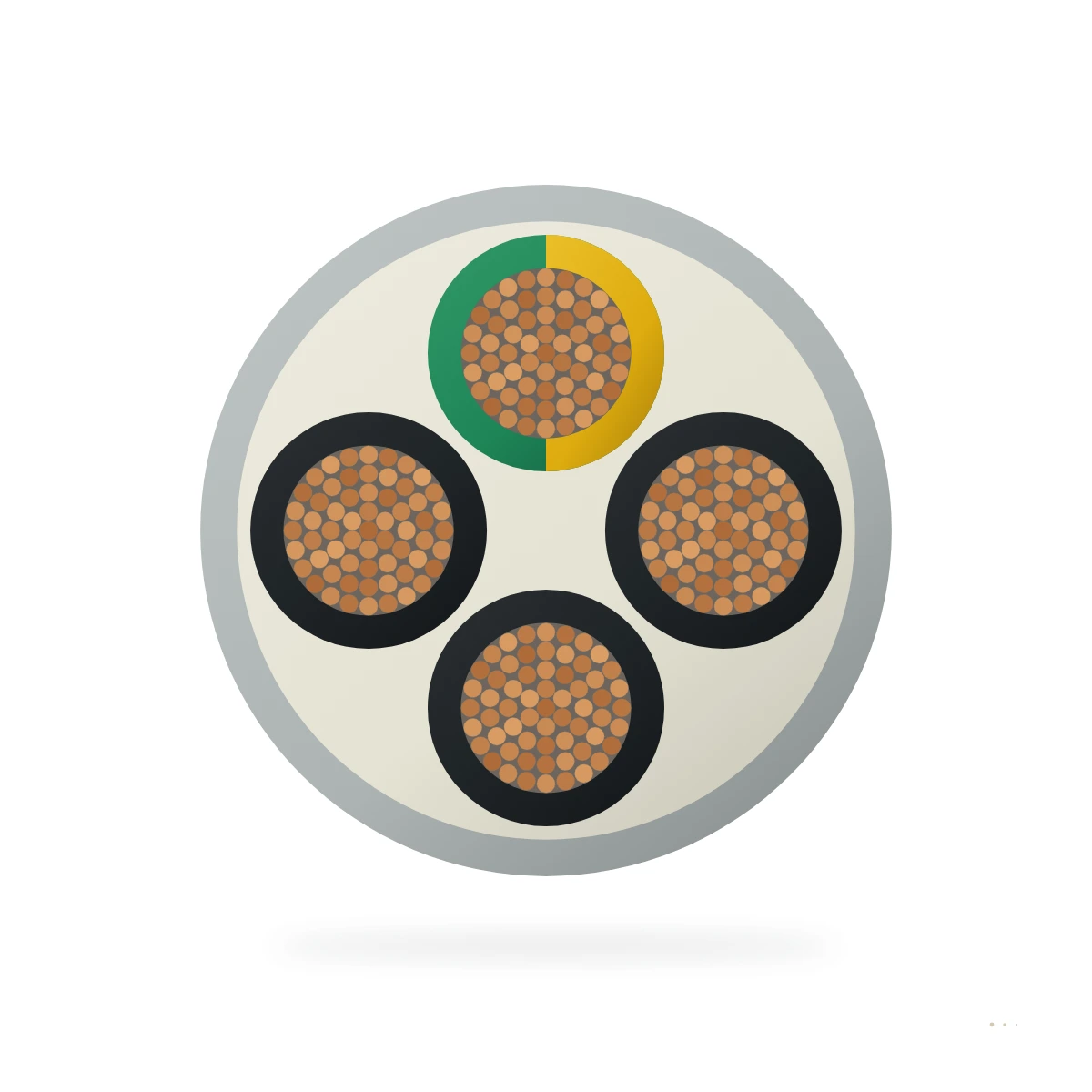
Grounding geometry and shielding affect high-frequency return current and radiated noise. Symmetrical protective-earth conductors placed around the phase conductors can help maintain electrical balance. A continuous metallic braid, tape or armour-based screen can provide a low-impedance path when it is correctly bonded and terminated. The required termination method, including any 360-degree gland or clamp, should follow the cable, drive, motor and project EMC instructions. A loosely connected drain wire or unspecified single-end/both-end rule should not replace a documented installation design.
Route planning is also important. Keep VFD output cable separated from instrumentation, encoder, communication and other sensitive circuits as required by the equipment and project rules. Coordinate tray, conduit, armour and gland selection so screen continuity is maintained. Calculate conductor ampacity, voltage drop, short-circuit duty and protective-earth sizing, and document the screen construction and coverage. If feedback or brake circuits are needed, state whether they require separate cables; an integrated feedback pair is not available in every VFD construction.
Mechanical and environmental selection depends on the application. The VFD Mining Cable supports fixed and flexible motor connections on mining machines, excavators, stacker-reclaimers and cable booms, with heavy-duty elastomeric protection. The Type P family serves marine and offshore installations by model. Provide fixed, flexing, reeling or trailing duty; minimum bend radius; vibration; oil, water, mud, salt, sunlight and abrasion exposure; ambient temperature; and any low-smoke, flame or armour requirement. For continuous reeling, specify a construction rated for that duty.
Standards and approvals should be specified exactly. IEEE 1580 identifies the Type P family context, while the mining VFD listing presents a VDE-style product designation and its own construction data. State destination-market standards, mine or marine approval requirements and the documents required by the end user for the exact cable model, size and marking.
For an RFQ, provide drive and motor datasheets, voltage, power and current, carrier frequency, motor-lead length, conductor size, protective-earth geometry, preferred screen and termination, fixed or moving duty, route and separation, bend and pulling conditions, environmental exposure, fire and sheath requirements, standard/approval documents, cable glands or connectors, total length, drum schedule and destination. Review the TEBAOFLEX families below, then match the dedicated VFD construction and installation requirements to the project.