
Festoon cables
Flat and round power, control, screened EMC and fibre-optic cables suspended in trolley loops along overhead cranes, ship-to-shore gantries and bulk material conveyors.
How does the cable move?
Pick one or more duties — the list below updates.
18 festoon cables
Low-voltage range
Up to 0.6/1 kV for industrial power, control and mobile equipment.
9 cables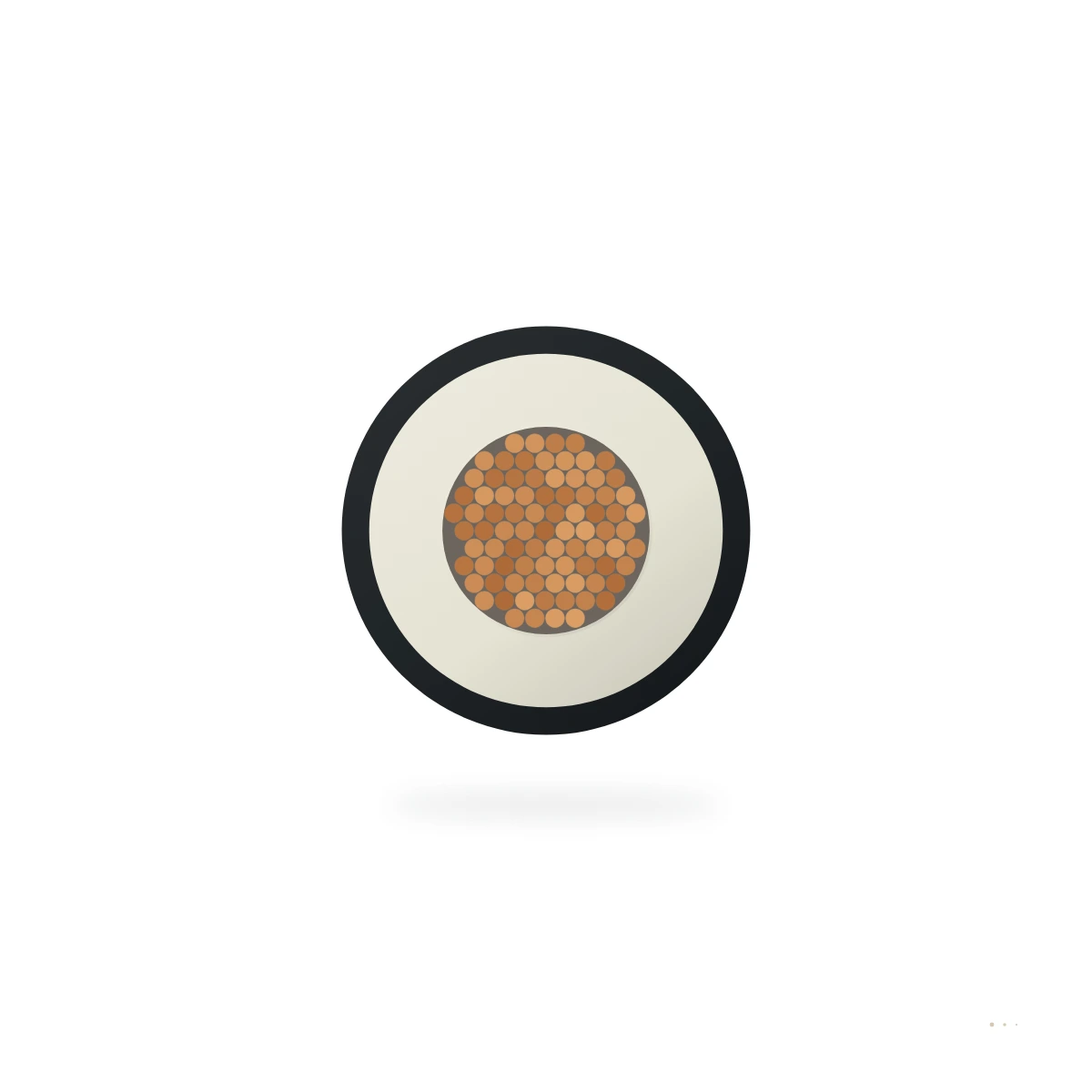
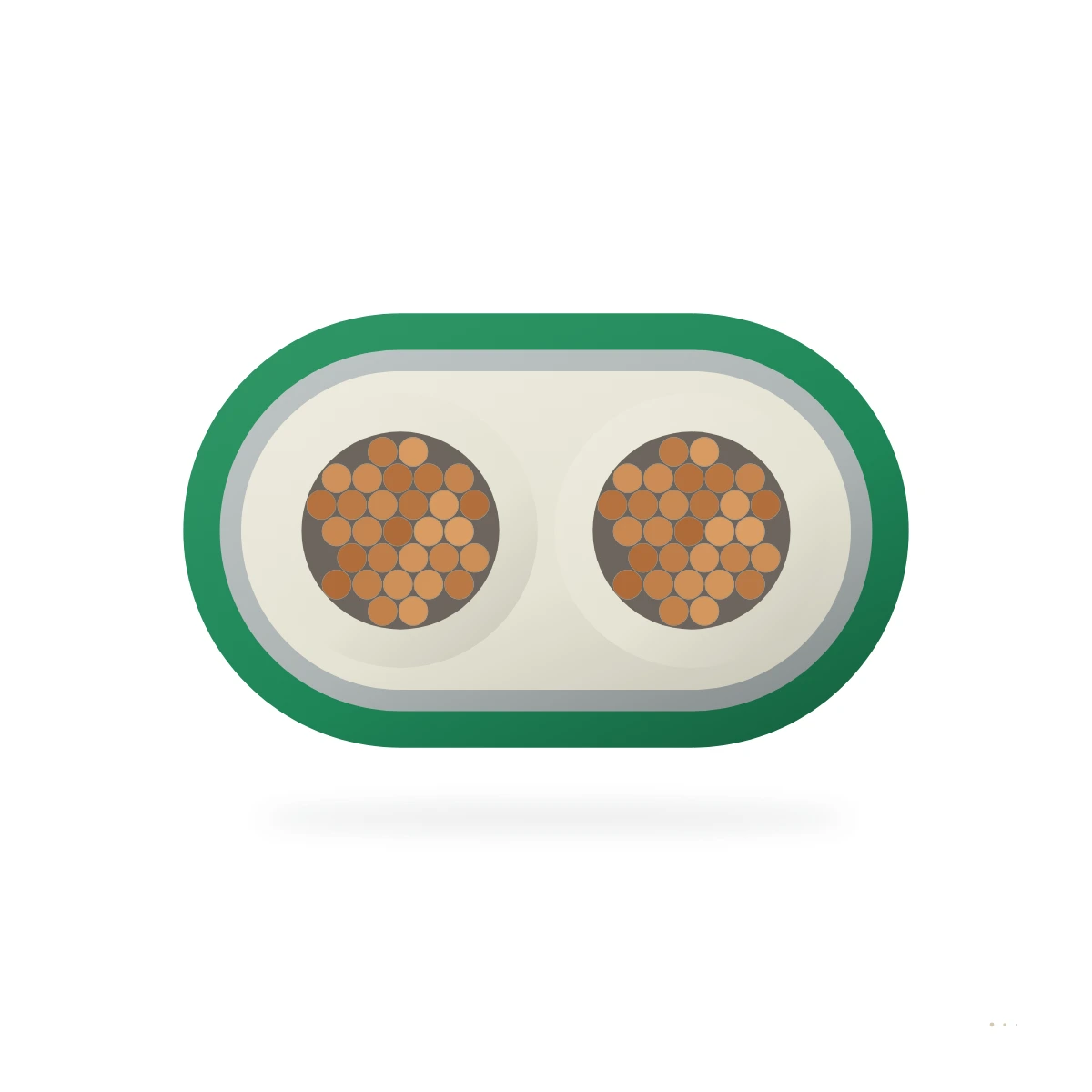
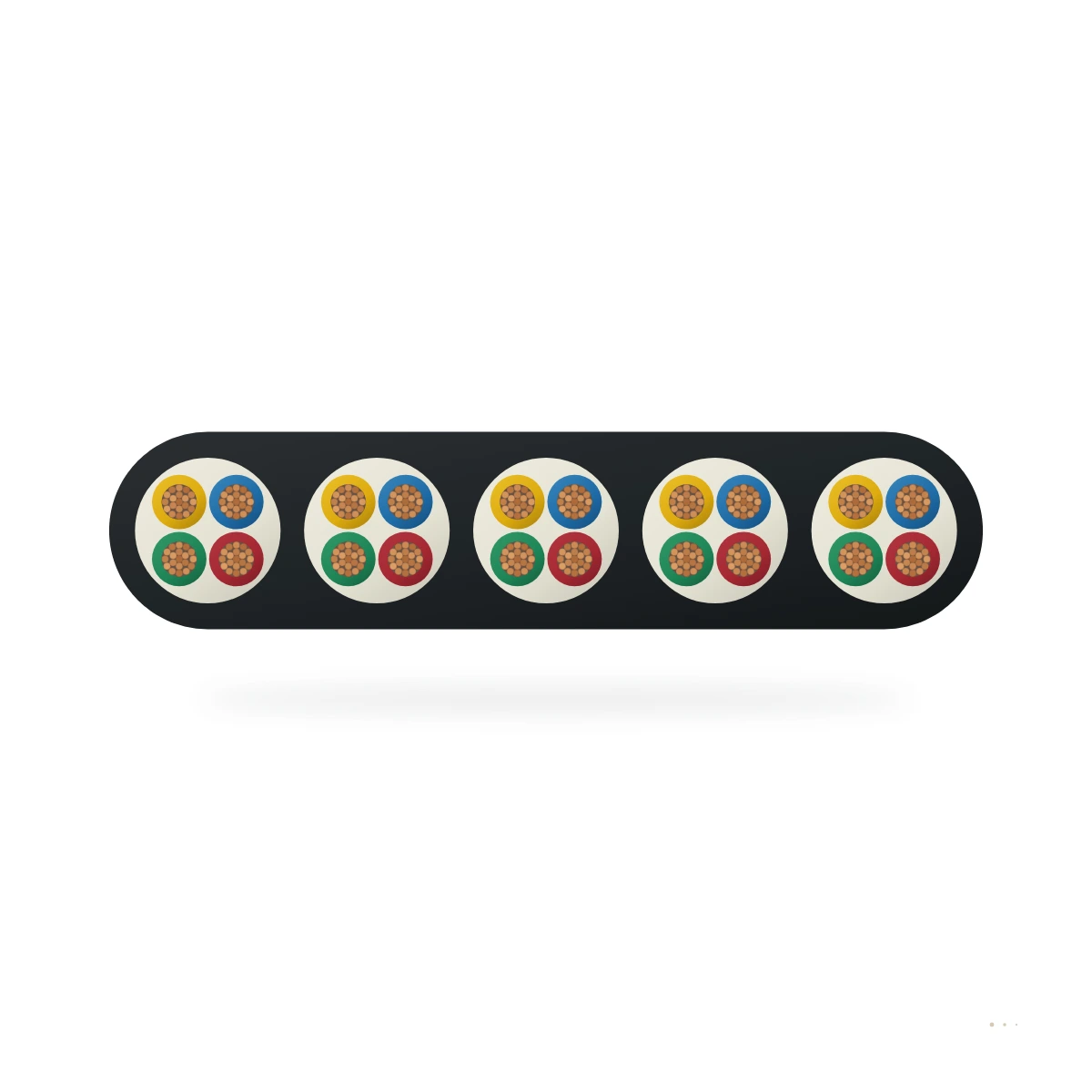
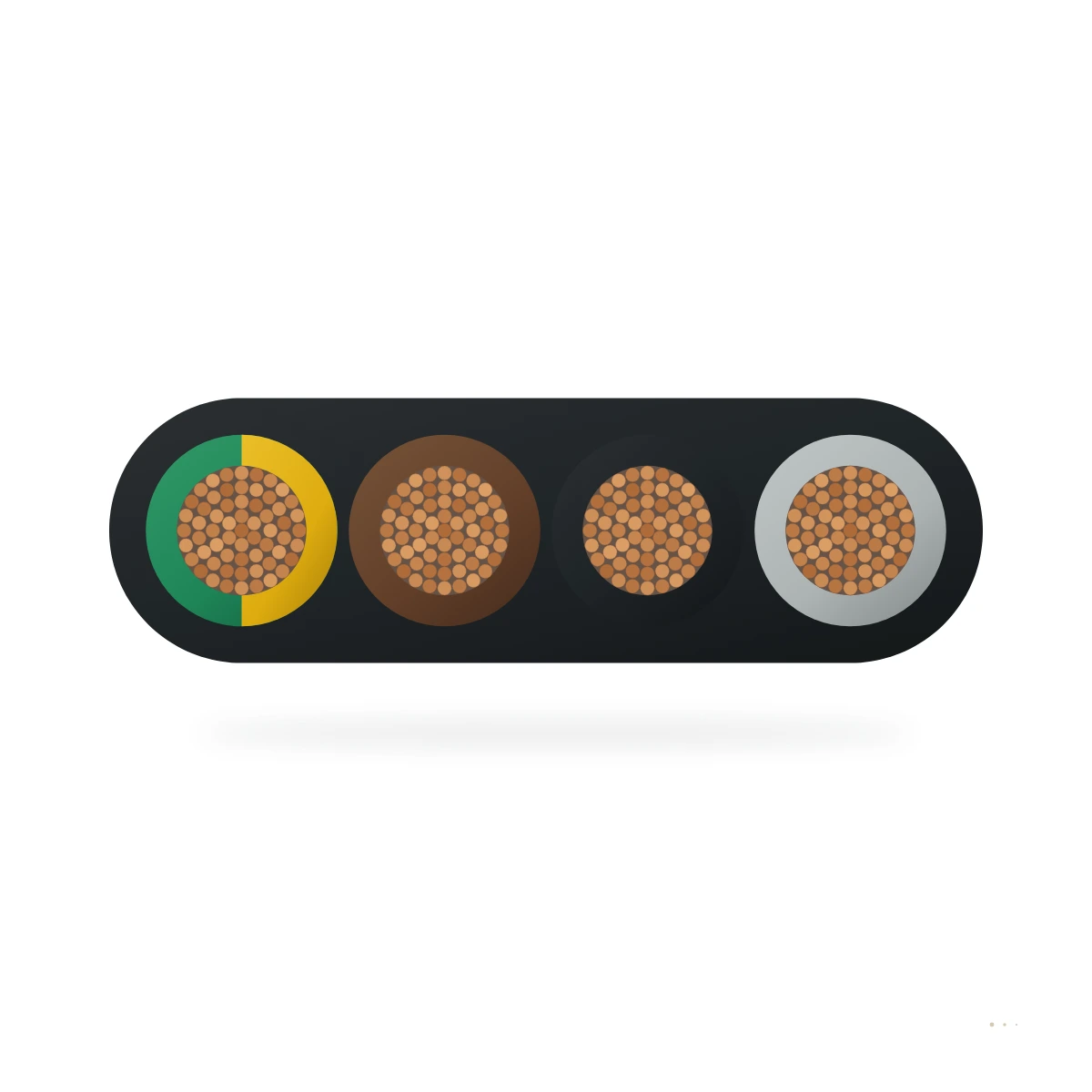
Dynamic & guided motion
Reinforced constructions for festoon trolleys, energy chains and vertical suspension.
9 cables
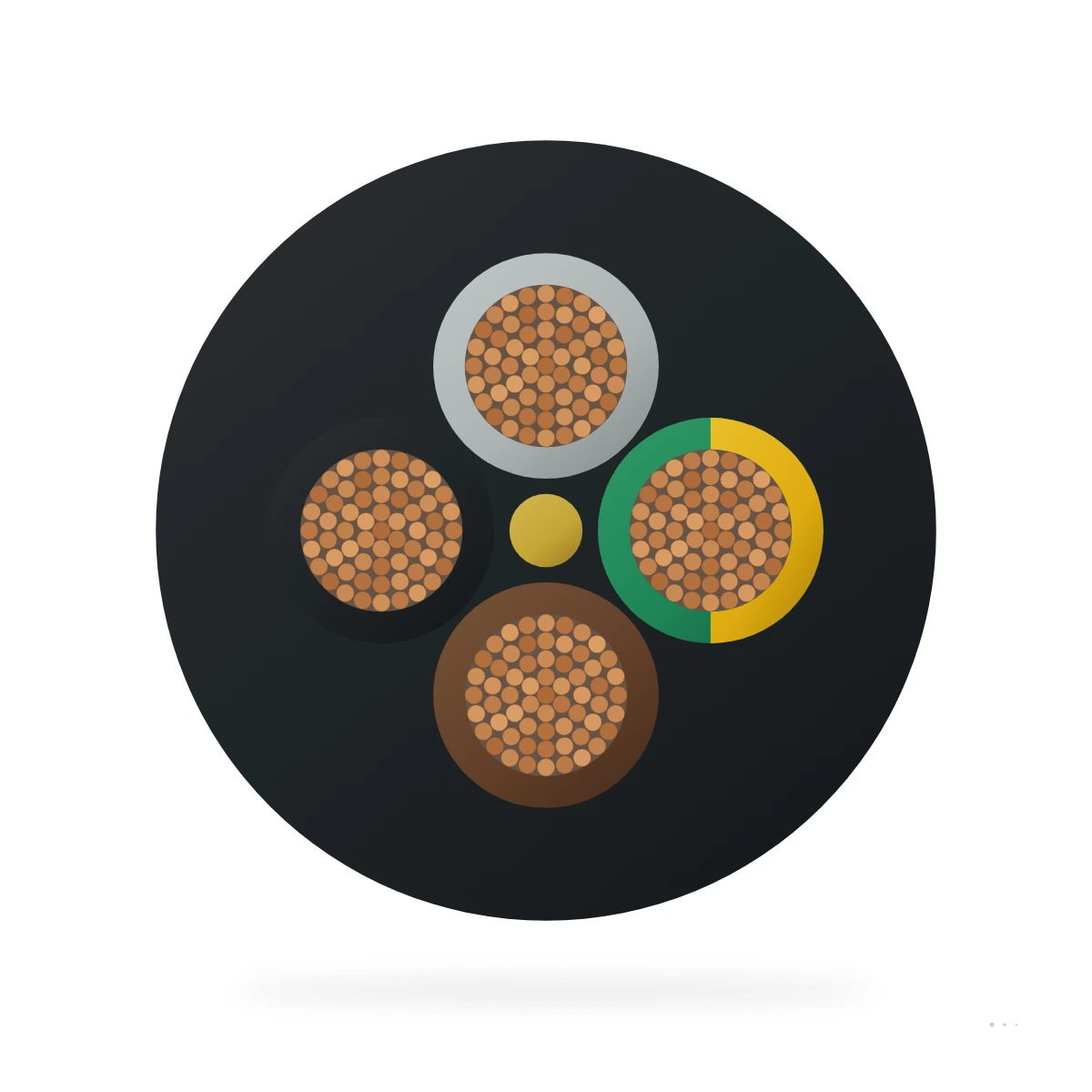
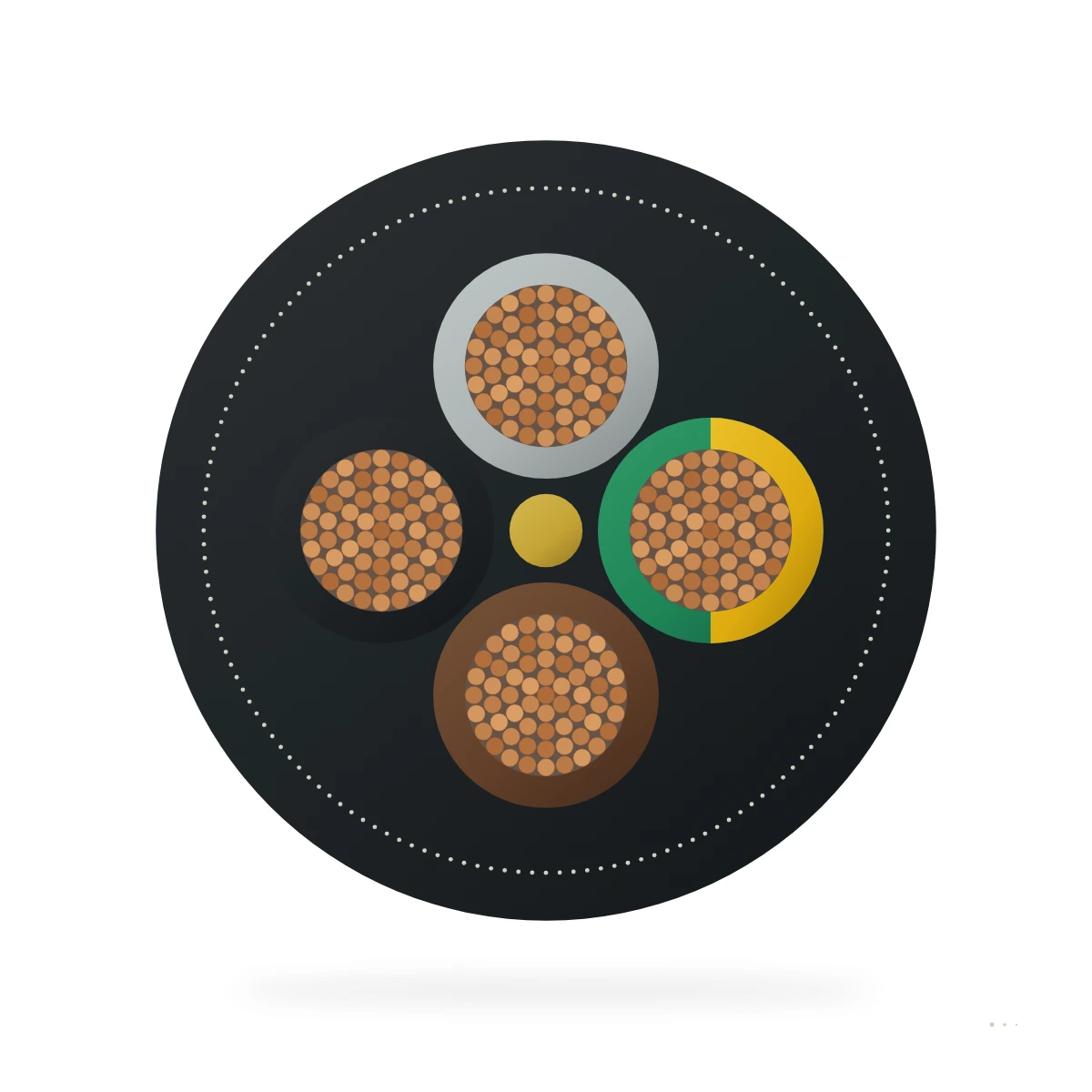
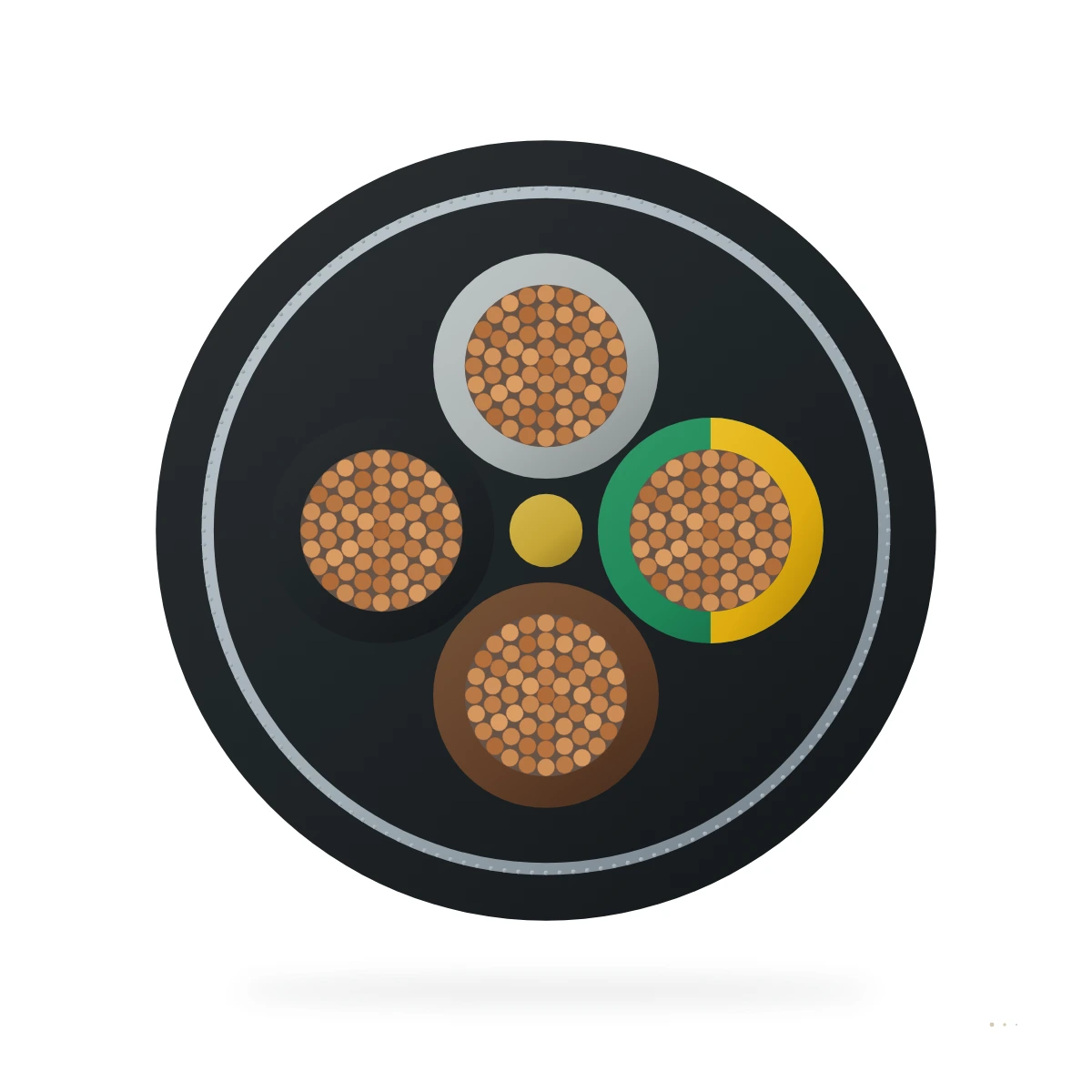
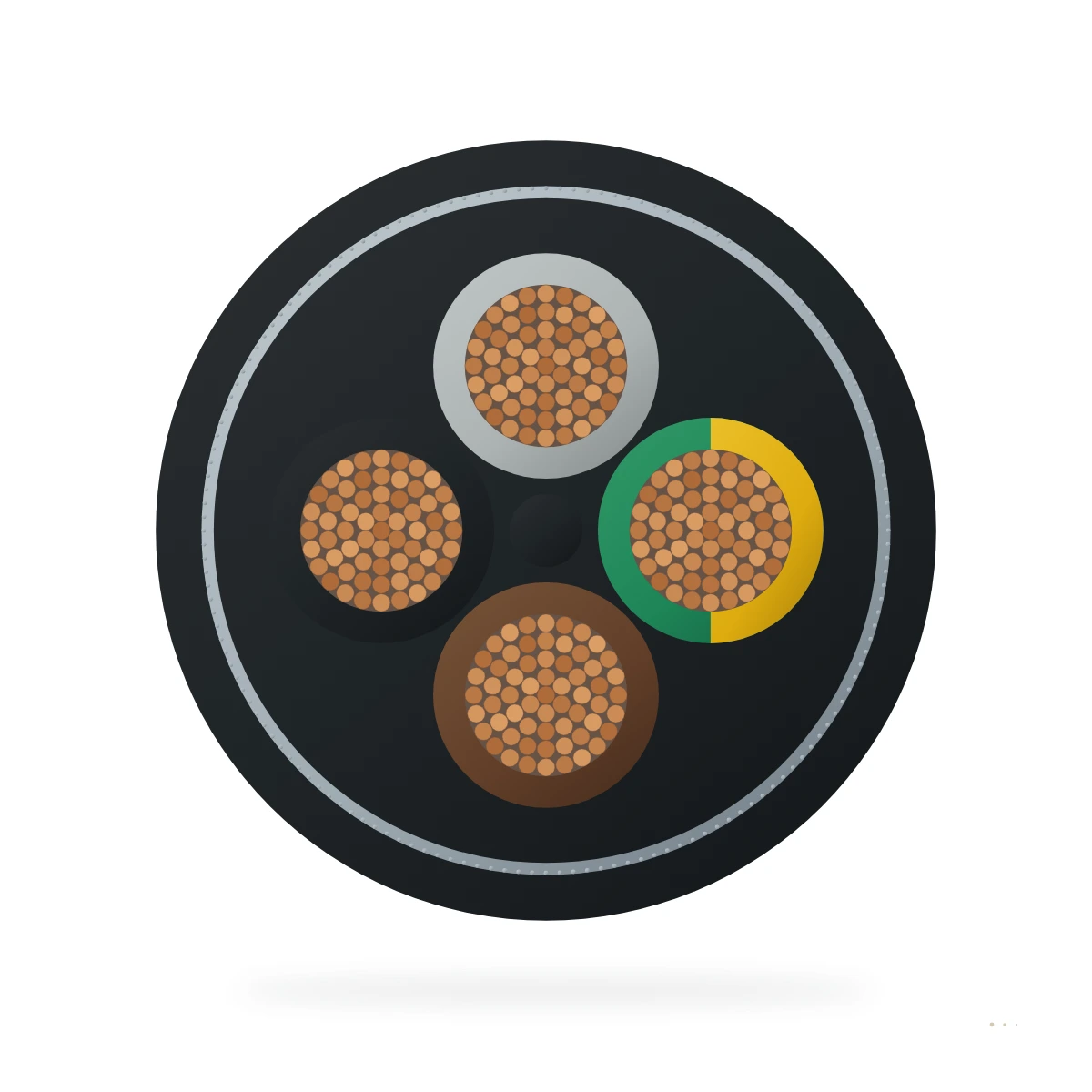

Choosing festoon cables
Four things decide most selections. Our engineers check the rest against your application.
Application and movement duty
- Define whether the cable runs in a fixed tray, energy chain, festoon loop, reel or trailing route.
- Match travel speed, bend radius and tensile load to the mechanical construction.
- Select a support element or armour when the cable carries suspended weight or external crush loads.
Voltage class and core layout
- Match the rated voltage U0/U to the supply system and earthing arrangement.
- Specify phase cross-sections, protective earth, pilot cores or control pairs required by the machine.
- Include copper braid, tape or semiconductive screens where EMC or electric-field control is needed.
Operating environment and sheath
- Choose rubber, PUR, LSZH, PVC, fluoropolymer or silicone sheaths for the thermal and chemical exposure.
- Verify oil, UV, water immersion, cold-flex or circuit-integrity ratings against site conditions.
- Check outer diameter and gland compatibility at both terminations.
Standard and documentation
- Confirm the governing standard family required by the project specification.
- Verify conductor class, colour code or core numbering for the destination region.
- Include operating duty and cable length in your enquiry so we can confirm the build.
Questions buyers ask
Not covered here? Send your drawing and an engineer replies within 2 business hours.
Ask on WhatsAppHow do I select the right festoon cable from this range?
Start by filtering the list by movement duty, voltage band and sheath material. Compare how each festoon cable is constructed—conductor flexibility, insulation compound, screening and outer jacket—against your machine's bending radius, travel speed and ambient temperature. Open the product page or datasheet to check core counts, cross-sections and outer diameters before sending your enquiry.
When should festoon cables include metallic screening or armour?
Specify a copper braid or foil screen when festoon cables run near variable-frequency drives, carry analogue or fieldbus signals, or require medium-voltage electric-field control. Choose steel wire braid or armour when the installation faces rock fall, crushing loads or high pulling tension in roadways, decks or subsea routes.
Which outer sheath compound suits harsh industrial environments?
Heavy-duty rubber (PCP or CPE) provides balanced mechanical toughness, weather resistance and thermal stability. Polyurethane (PUR) resists cuts, abrasion and mineral oils on fast-moving chains, reels and trolleys. Halogen-free LSZH compounds reduce smoke and acid gas in tunnels, ships and enclosed buildings, while fluoropolymers and silicone handle extreme heat.
What details should I include in an RFQ for festoon cables?
Include the model designation or governing standard, rated voltage, number of cores and conductor cross-sections, along with the installation method, minimum bend radius, ambient temperature range and required delivery lengths. If you are replacing an existing cable on a machine, share the sheath marking so we can match the specification.
Engineering reference
Background on how festoon cables are built, rated and specified.
Read the full reference
Festoon cable is a flexible power or control cable that hangs in managed loops and travels on trolleys along a track, beam or wire-rope support. This arrangement keeps the cable off the floor while it follows a crane, hoist, transfer car or other linearly moving machine. The cable repeatedly bends in a controlled plane as the loops open and close. It is therefore selected for a specific festoon motion, not simply because it is flexible or flat.
Typical applications include overhead bridge cranes, gantry cranes, hoists, container-handling equipment, transfer cars, conveyor tripper systems and production machinery with straight-line travel. Festoon systems may carry separate power, control and communication cables, or several circuit functions in a coordinated cable package. The trolley system, cable support diameter, loop depth, number of trolleys, travel speed and clamp arrangement all affect cable loading. Cable and mechanical system should be specified together.
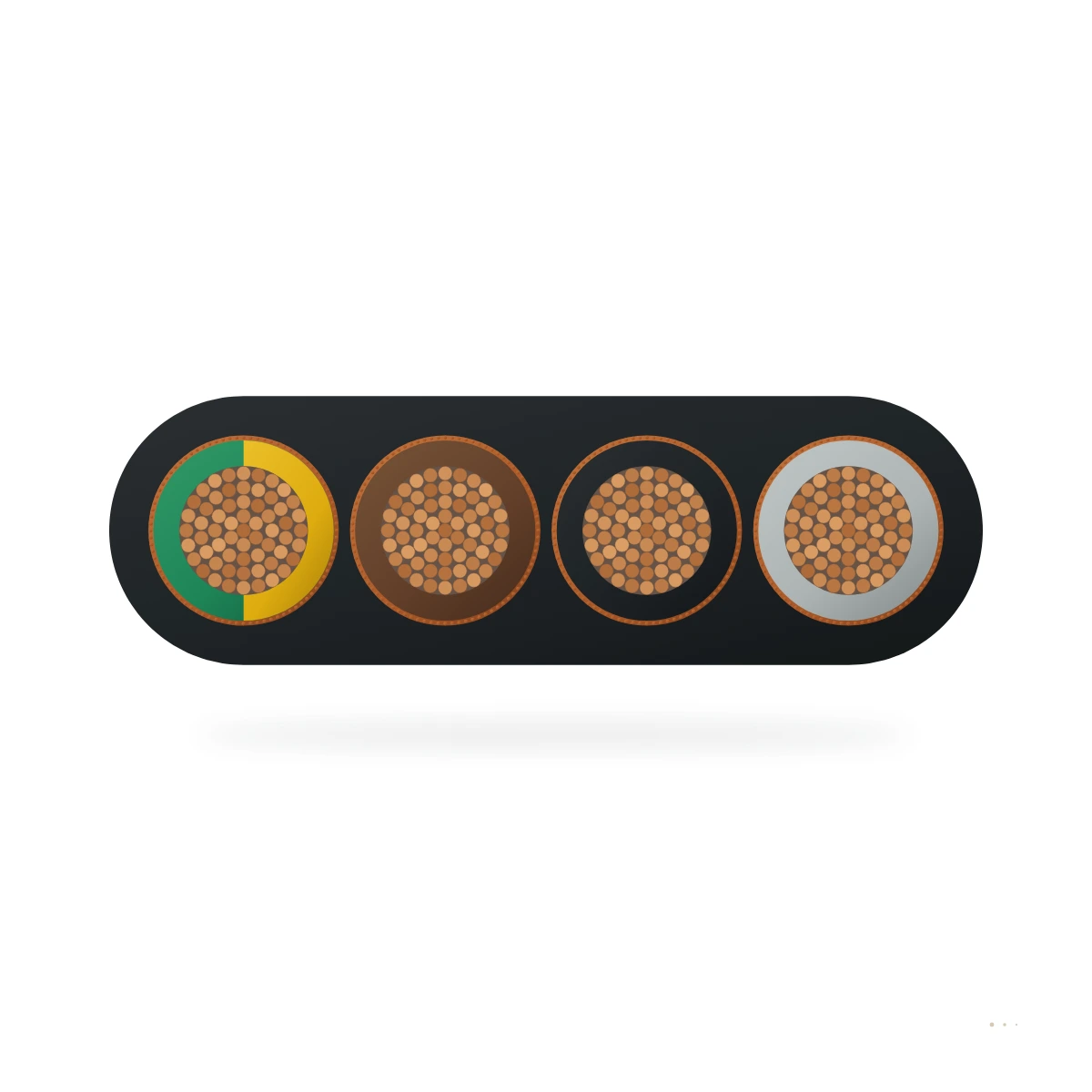
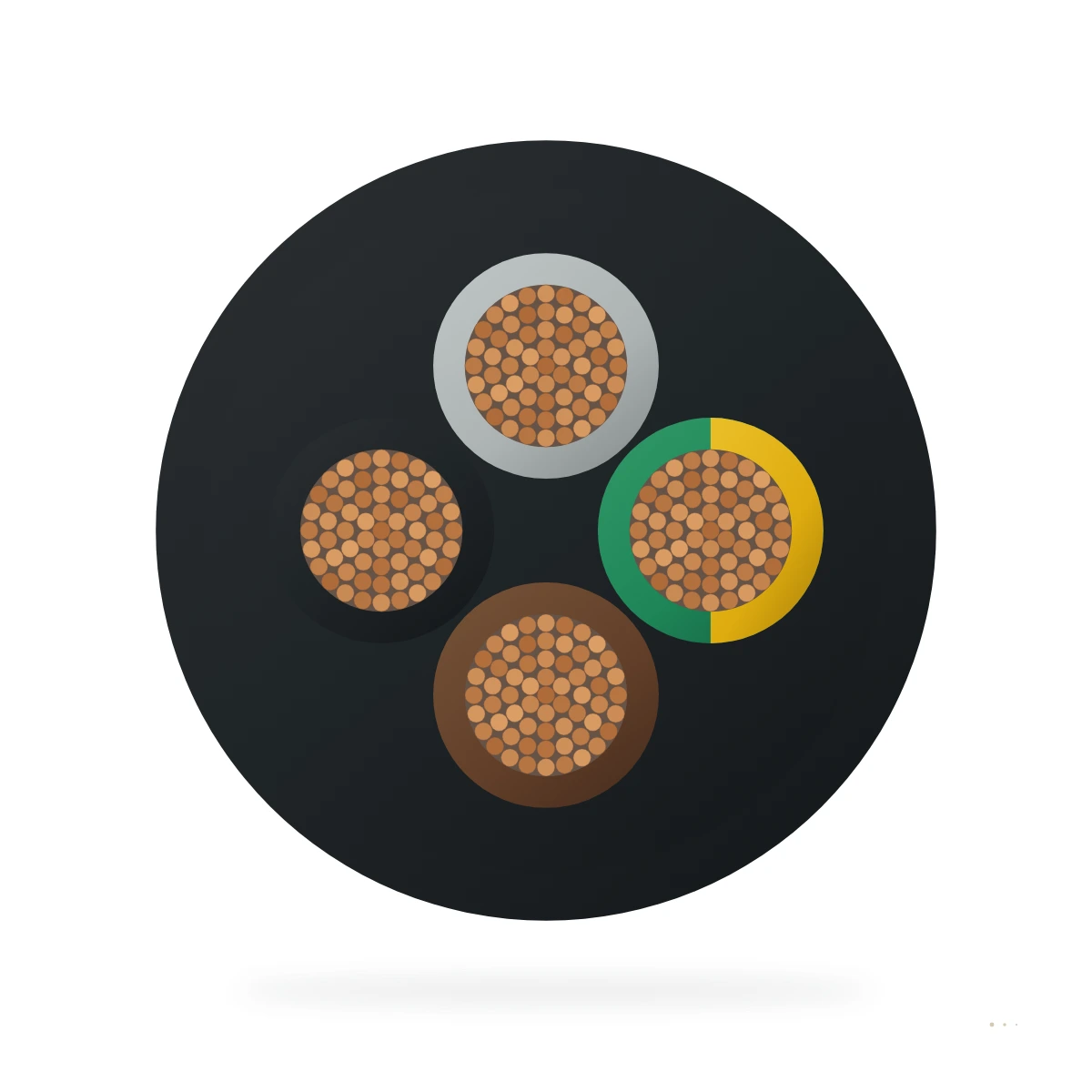
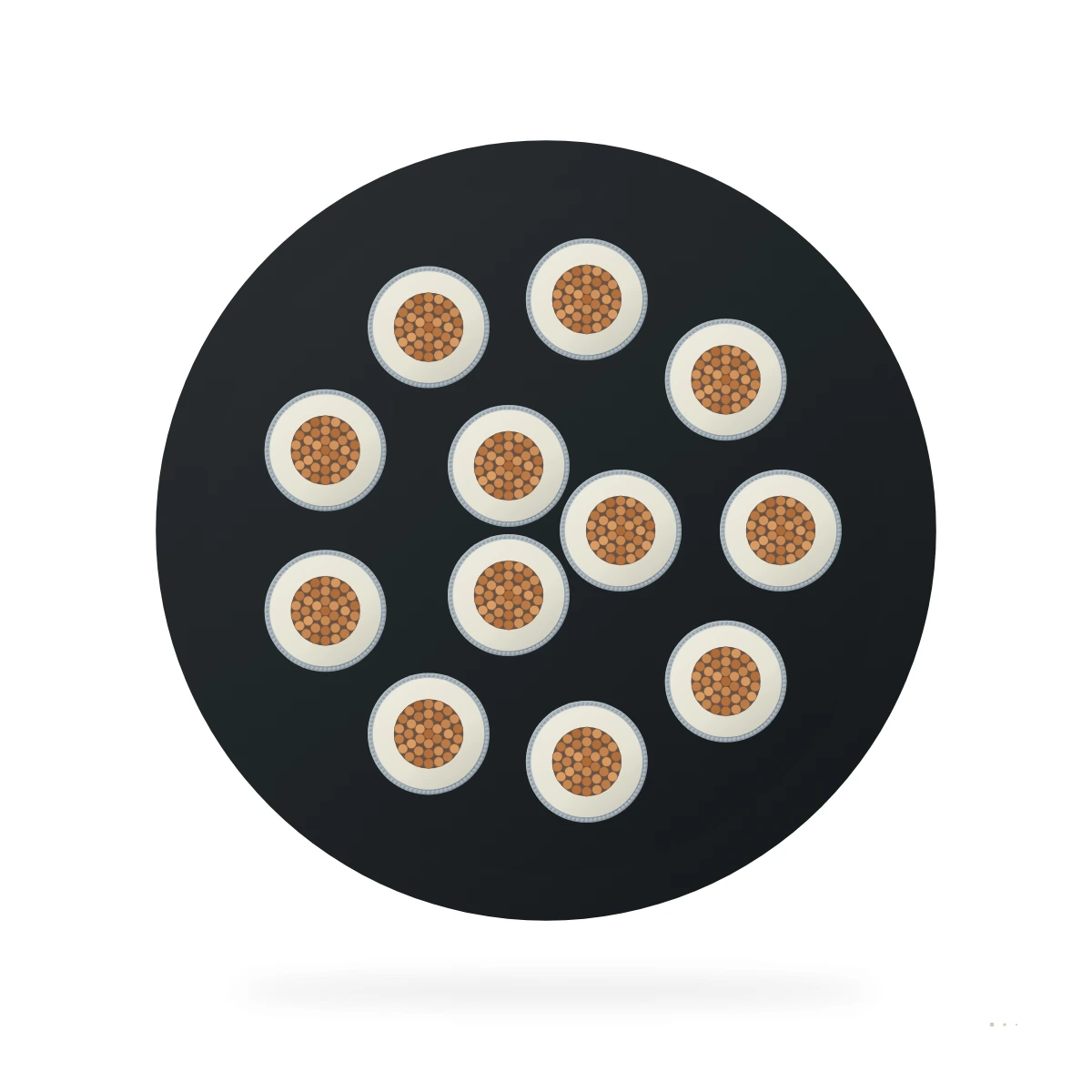
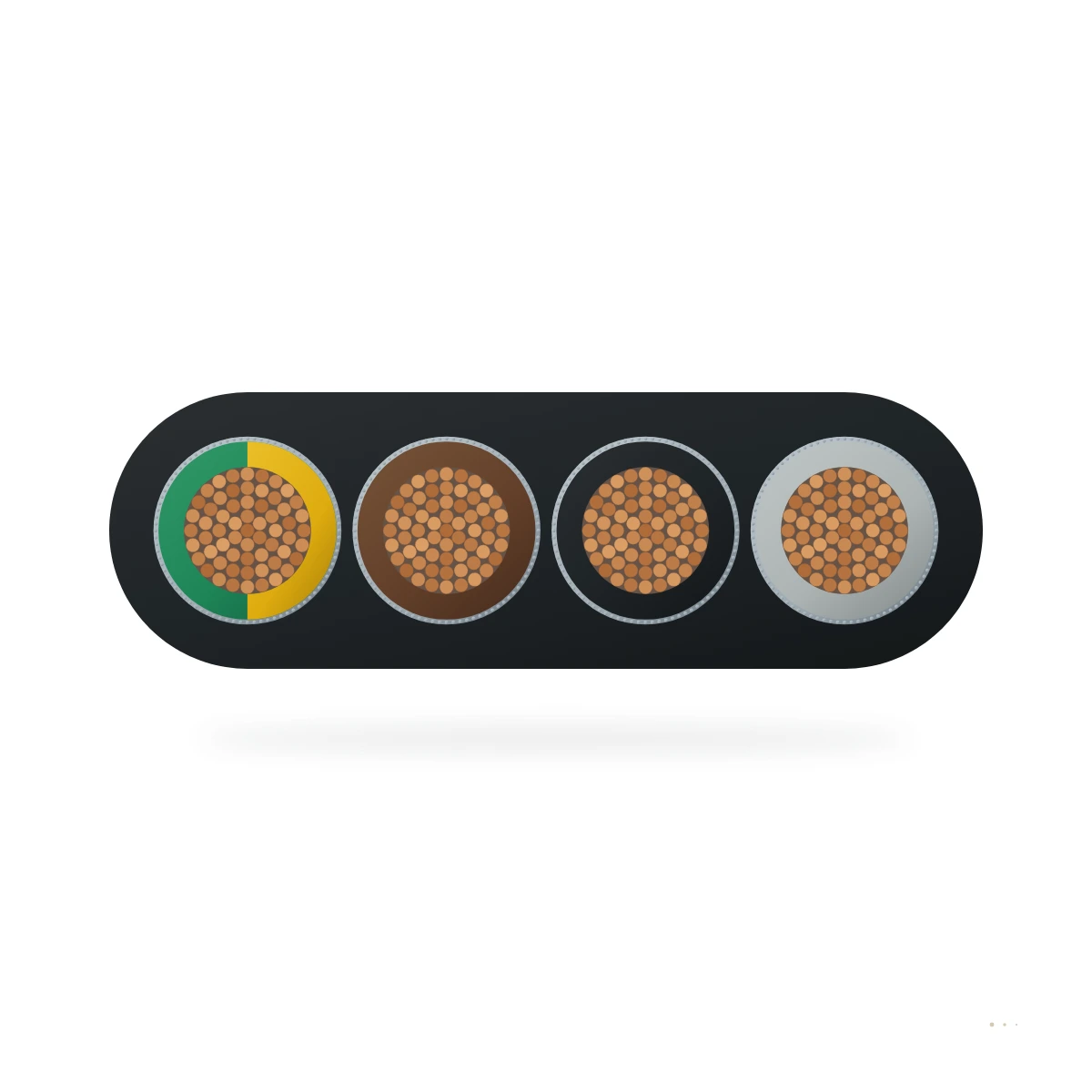
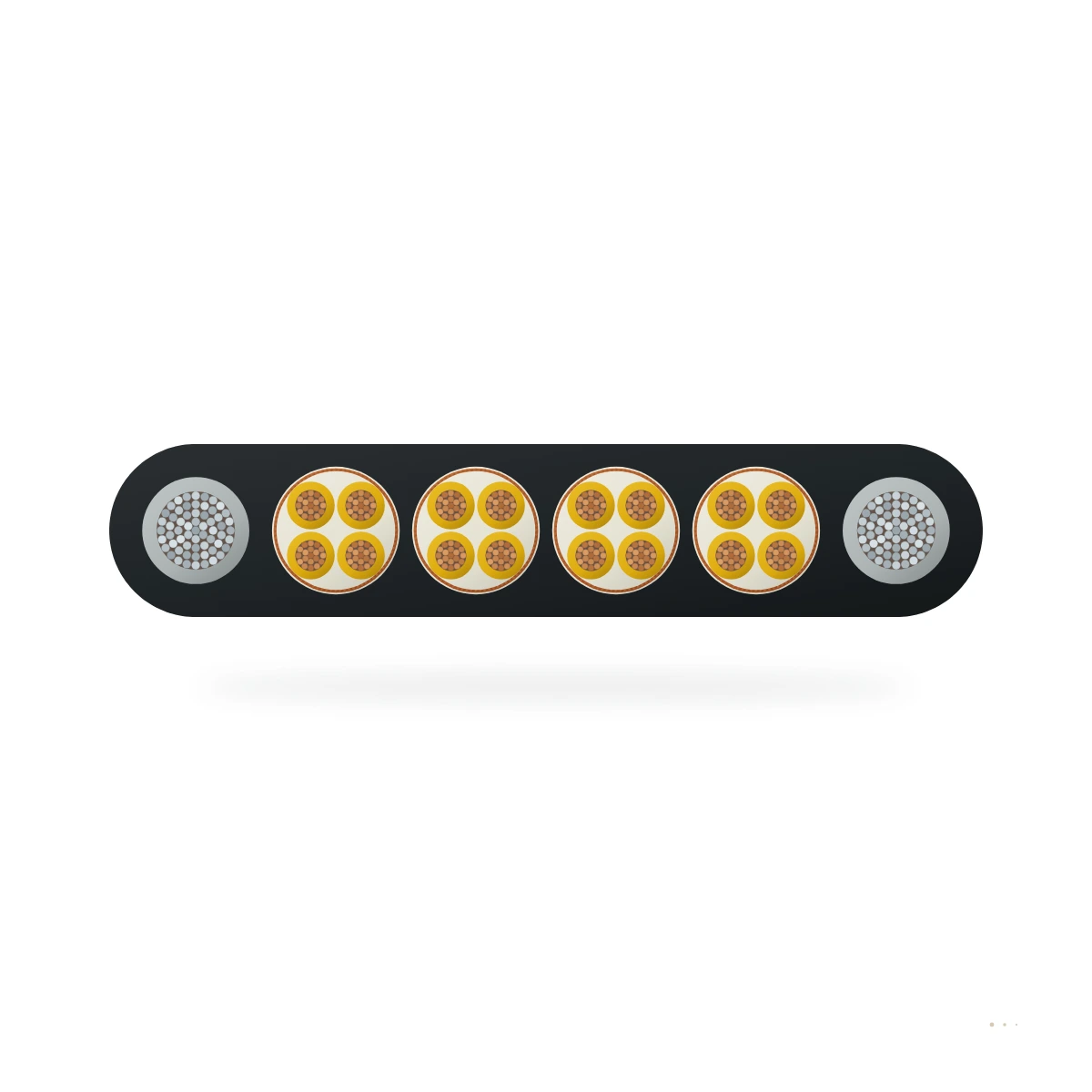
TEBAOFLEX's festoon cable range includes flat and round constructions with rubber, PUR or PVC sheaths, in unscreened and screened versions, as well as fiber-optic festoon cable for data transmission. Among the flat rubber designs, NGFLGOU is a 300/500 V low-voltage flat festoon cable with flexible copper conductors, EPR/EPDM-type insulation, parallel core arrangement and a heavy-duty chloroprene-type rubber sheath in common constructions. NGFLCGOU is the screened counterpart, with individually screened cores arranged in parallel for repeated one-plane bending. The exact core count, conductor size, J/O protective-conductor arrangement, screen coverage, dimensions, travel speed, bend radius, tensile load and approval scope depend on the selected model.
Flat cable geometry is useful in a festoon because parallel cores can bend together in one defined plane and form stable loops. Flat geometry alone is not enough for every trolley system. The wide face and cable height must fit the carrier saddle and clamps without pinching, over-compressing or allowing the cable to roll. The orientation must remain consistent through the moving path. If a project currently uses round cable, review the trolley design and complete cable package before changing geometry; round constructions are also available in this range.
Begin selection with motion data. State total travel, required moving cable length, loop depth, number and spacing of trolleys, travel speed, acceleration, cycle frequency and operating hours. Provide the saddle or support diameter, cable stack arrangement and minimum available bend radius. The cable should enter and leave each support without sharp reverse bends, side pull or twisting. Clamp pressure and towing-arm adjustment matter because concentrated strain at the fixed and moving ends is a common mechanical weak point.
Electrical requirements determine whether an unscreened construction such as NGFLGOU or a screened construction such as NGFLCGOU is relevant. Specify rated voltage, current, conductor size, number of power and control circuits, protective conductor and voltage drop. Where sensitive control circuits share a route with motor or power conductors, define the actual signal type and electromagnetic environment. Common NGFLCGOU models use an individual tinned-copper braid around each core; select the screen arrangement and termination for the circuit and installation. A screened festoon cable still needs appropriate routing, bonding and equipment grounding.
Set mechanical and environmental requirements explicitly rather than relying on the sheath material alone. Identify indoor or outdoor use, ambient temperature, oil and grease, sunlight, ozone, moisture, salt exposure, abrasive dust, falling scale or sparks. Cranes in steel mills, ports and waste-handling plants can expose the same festoon motion to very different contaminants and temperatures. Include the sheath compound, resistance data and operating limits for the quoted size. If the system carries hoses as well as cables, check the complete trolley load and prevent incompatible rubbing between services.
Installation quality strongly influences performance. Trolleys should run freely, loop lengths should be balanced, and supports should not create a bend below the cable's permitted dynamic radius. Cables should not be crossed, twisted or clamped on an edge; the moving end needs controlled towing so the electrical cable is not used as the mechanical pull member. For replacements, note any uneven loops, jacket flattening, local wear, torsion or termination movement in the enquiry.
The festoon cables in this range are associated with VDE/DIN cable families, but a designation is not a universal approval statement. State the governing standard, destination-market requirements and required test documents for the exact model. Take speed, tensile load and bend radius from that construction rather than from another cable with the same designation.
For an RFQ, provide machine type, festoon track or support system, travel distance, cable moving length, loop depth, trolley count and saddle dimensions, speed, acceleration and cycles; plus voltage, current, conductor sizes, power/control core count, protective conductor, screening needs, ambient and chemical exposure, minimum temperature, installation drawings, required standard, total quantity and individual lengths. A photograph of the existing festoon and its cable marking is particularly useful for replacements.
The TEBAOFLEX festoon cables below include flat and round, unscreened and screened constructions with different sheath materials. Select a construction using the electrical circuits, one-plane movement, trolley geometry and real operating environment.