Choosing between a 125 °C irradiated xlpo cable and a 90 °C 2,000 V DLO cable on mining haul trucks depends on heat versus flexing duty. Irradiated XLPO locomotive wire delivers a +125 °C continuous rating and tough fixed-cleat abrasion resistance for electrical braking retarders. Rubber-jacketed DLO provides superior limpness for continuously flexing jumpers.
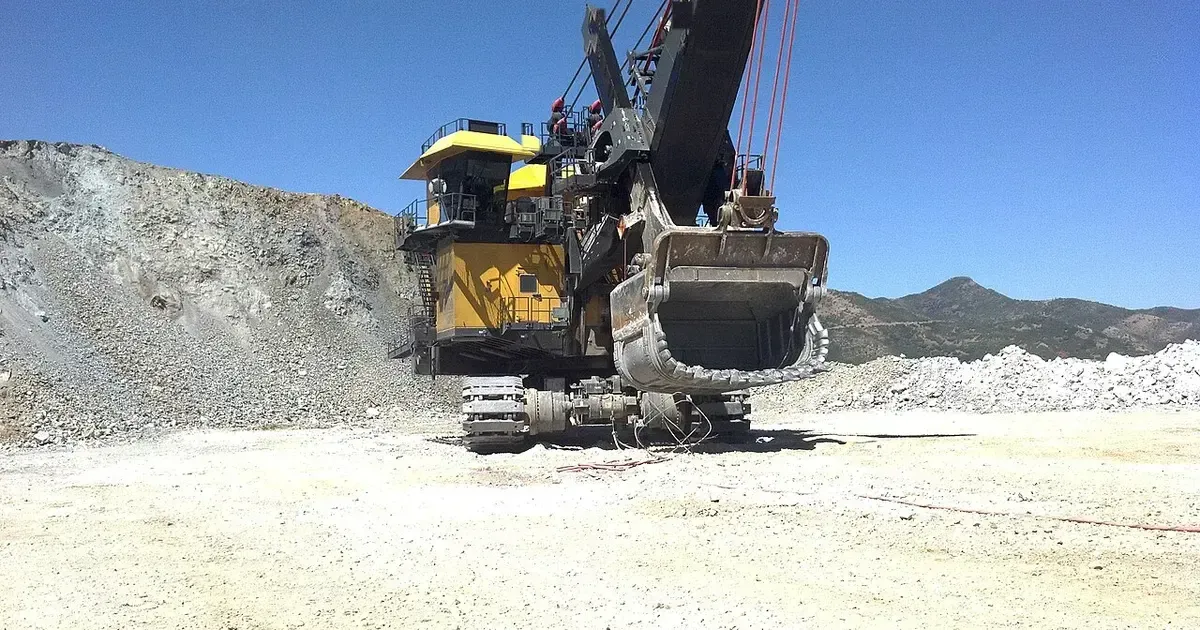
Mine maintenance workshops and heavy equipment suppliers in Africa and North America frequently replace damaged 2,000 V traction and dynamic-braking leads on dump trucks and drilling rigs. Confusing fixed chassis retarder leads with flexing drag cables causes premature jacket wear. Pairing fine-stranded 24 AWG conductors with standard building-wire lugs also creates overheated terminations.
XLPO Cable vs 2 kV DLO EPR/XL-CPE on Mining Haul Trucks
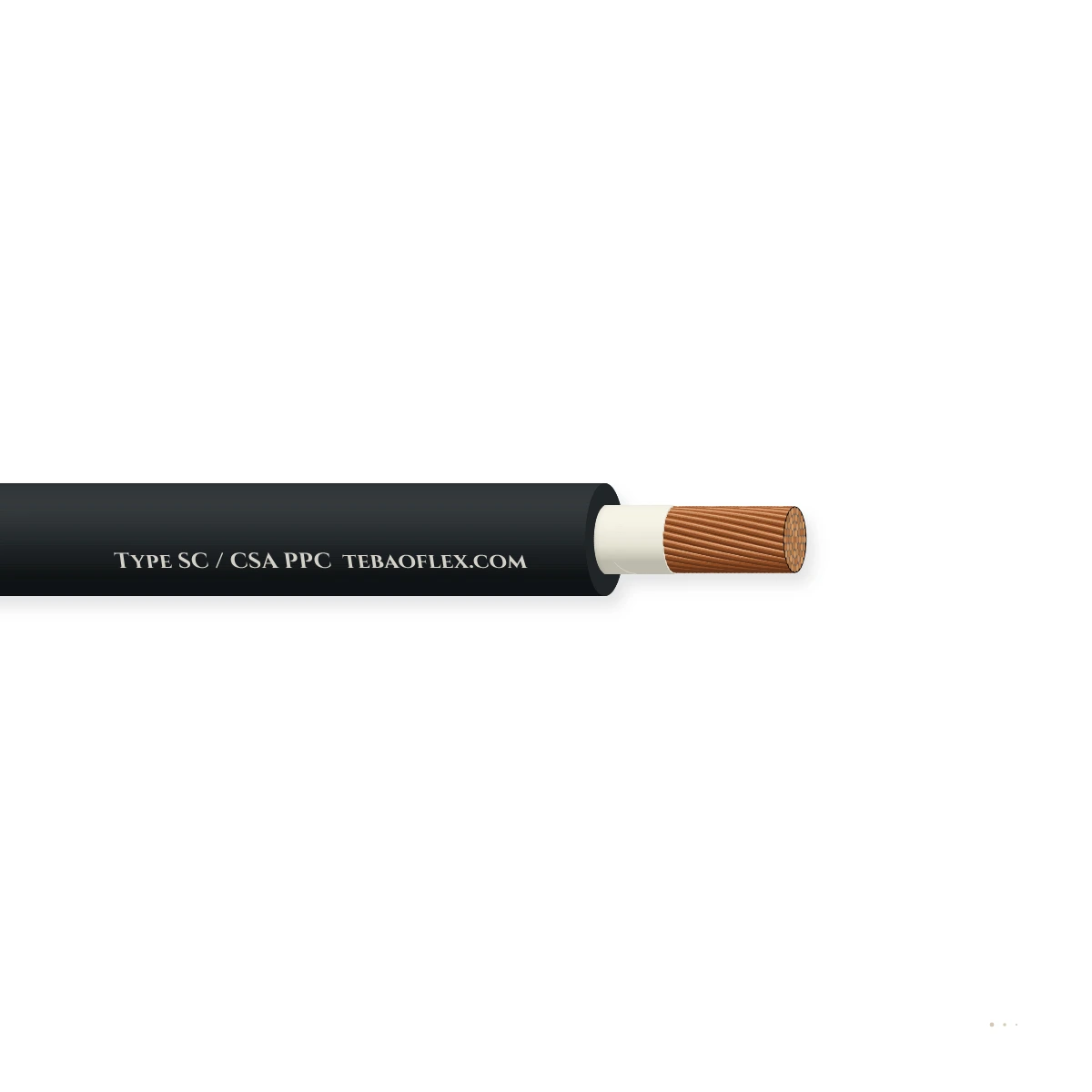
An irradiated XLPO locomotive cable is a 2,000 V single-conductor traction wire insulated with electron-beam cross-linked polyolefin over rope-lay tinned copper strands. It provides +110 °C to +125 °C thermal endurance, diesel-oil resistance, and compact chassis routing. By contrast, DLO (Diesel Locomotive) 2 kV cable pairs ASTM B172 Class I/K tinned copper with +90 °C EPR insulation and an XL-CPE jacket flame-tested under 30 CFR Part 7.

Comparing thermal class, flexibility and jacket toughness for haul-truck retarder grids, traction motors and drilling rigs.
Comparison matrix — text version
For each criterion below, values are listed in this order: DLO 2 kV (EPR/XL-CPE); Irradiated XLPO 2 kV; SRML Silicone (UL 3231).
- Continuous conductor rating: +90 °C; +125 °C; +200 °C.
- Limpness in frequent flexing: suitable; suitable with limits; suitable.
- Fixed chassis vibration & abrasion: suitable; suitable; not suitable.
- Thin-wall compact tray routing: not suitable; suitable; suitable.
- Requires flared fine-strand lugs: suitable; suitable; suitable.
Comparing an xlpo cable specification against two-layer rubber dlo cable highlights three operational trade-offs on heavy mobile plant:
- Thermal ceiling near braking grids: Dynamic electrical braking retarders turn downhill haul-truck energy into intense heat. An xlpo cable temperature rating of +125 °C gives wider thermal margin near resistor blowers than +90 °C DLO cable. Where enclosed motor leads run up to +200 °C at 600 V or 1,000 V, use SRML UL 3231 silicone rubber motor lead wire and check our high-temperature wire types comparison.
- Fixed chassis vibration vs continuous bending: On a dump truck retarder circuit, cables clamp directly to the steel frame. They endure constant chassis vibration in service, while bending happens mainly during installation or shop overhaul. Irradiated xlpo cable excels in clamped harnesses because its dense cross-linked wall resists pinch-through and cold flow.
- Limpness in free-flexing loops: When single-core leads hang in flexing loops on drilling rigs (or alongside multi-core Type W 2 kV portable mining cable), rubber-sheathed DLO bends more softly down to -40 °C.

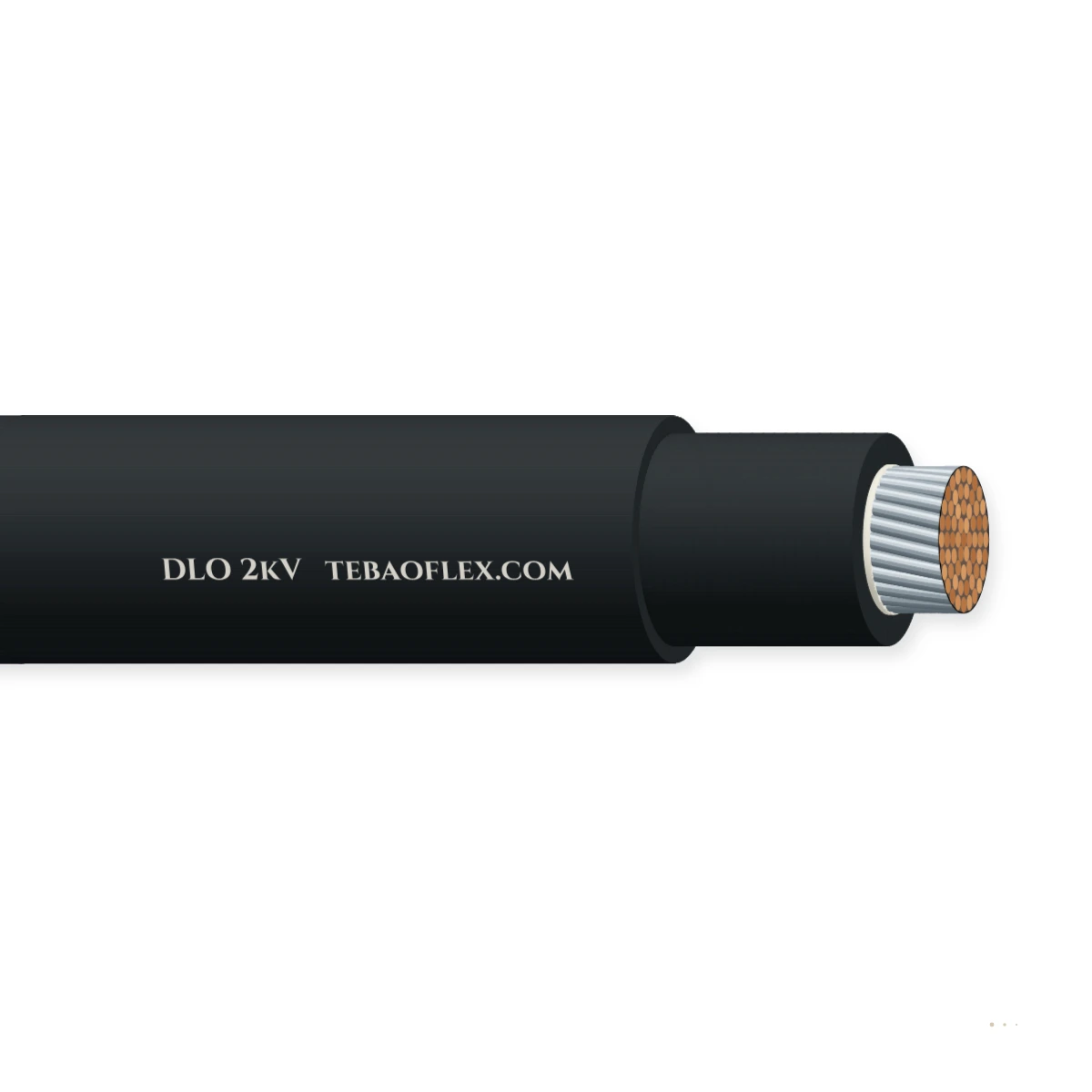
Stepped cutaway of 2 kV DLO cable showing rope-lay 24 AWG tinned copper strands, separator tape, EPR dielectric, and XL-CPE jacket.
Why Fine-Stranded 444 MCM Conductors Require Matched Compression Lugs
A flared-entry flex compression lug is a heavy-wall tinned-copper terminal barrel with an enlarged bore and bell-mouthed chamfer. It accepts Class I, Class K, or IEC 60228 Class 5/6 fine strands without folding outer wires. Standard building wire skips 444.4 kcmil (444 MCM), whereas locomotive and haul-truck cables regularly use 444 MCM (1,100 strands of 24 AWG, written 1100/24).
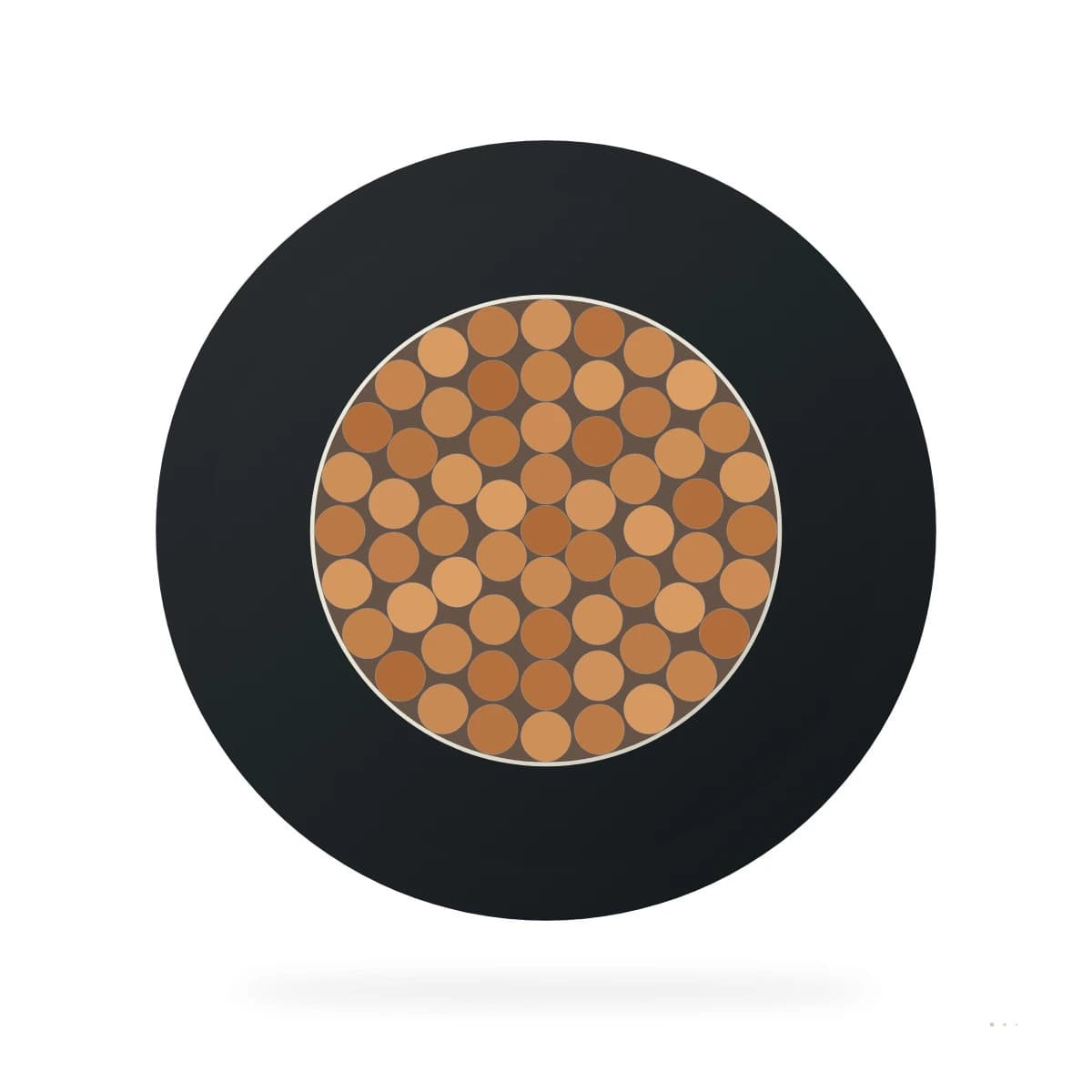
High-strand-count 24 AWG tinned copper bundle in a 2 kV traction lead has a larger compacted diameter than concentric building wire.
Because 1,100 fine strands hold small interstitial spaces, a 444 MCM (225 mm²) rope-lay bundle is wider (~20.5 mm to 21.5 mm) than concentric 400 kcmil copper. Sourcing generic dlo cable lugs by nominal mm² alone creates two field failures:
- Undersize inner barrel diameter (d): Electricians cannot insert all 1,100 strands cleanly. Stray wires splay outside the chamfer or get trimmed off, reducing ampacity and overheating the terminal.
- Oversize barrel outer/inner diameter (D and d): Generic metric lugs leave excess clearance before crimping and can foul narrow OEM retarder busbar shrouds. Without a matched hexagonal crimp die, a loose barrel develops high contact resistance under vibration. See our 2 kV DLO cable ratings and stranding guide for full strand tables.

Engineering selection across 200 °C silicone motor leads, 125 °C irradiated XLPO retarder wire and 90 °C DLO flexing leads.
Selection flowchart — text version
- Does enclosed motor-lead heat exceed +125 °C (up to +200 °C at 600 V to 1,000 V)? If yes: Use 200 °C SRML silicone wire + matched flex lugs.
- Is a 2,000 V single-core lead clamped fixed near hot haul-truck retarder grids? If yes: Specify 2 kV 125 °C irradiated XLPO + flared Class I/K lugs.
- Does a 2,000 V single-core jumper hang in a flexing loop on a rig or motor drop? If yes: Specify 2 kV +90 °C EPR/XL-CPE DLO + flared Class I/K lugs.
Otherwise: For multi-core 2 kV portable drag duty, evaluate reinforced Type W cable.
Verifying Lug Drawings and High-Voltage Silicone Auxiliary Leads
When replacing OEM haul-truck harnesses that also include 5 kV high-temperature auxiliary jumpers (such as 2 AWG or 4/0 AWG 200 °C 5,000 V braidless silicone leads), verify three details before release:
- Confirm both d (barrel ID) and D (barrel OD): Measure an OEM lug with calipers and approve a drawing showing d, D, palm width, stud hole, and electro-tin plating.
- Account for silicone talcum release powder: Extruded silicone wires carry a light dusting of talcum powder so soft coils do not stick together on the drum. That harmless powder wipes off during installation.
- Match print legend and jacket colour: Confirm voltage, temperature (90 °C, 125 °C, or 200 °C), and strand count (1100/24) on the sheath print so mechanics identify circuits instantly.
What to Send for a Cable Recommendation
To match a haul-truck, locomotive, or drilling-rig power lead and its compression terminals on the first build, share these details:
- Existing cable print legend or OEM specification (2,000 V DLO EPR/XL-CPE, 2,000 V 125 °C irradiated XLPO, or 5,000 V 200 °C silicone rubber).
- Exact conductor size and stranding construction (for example 444 MCM 1100/24, 535 MCM, 4/0 AWG, or 2 AWG).
- Installation duty: fixed clamped chassis harness (such as dump-truck electrical braking retarders) versus continuous flexing loop.
- If matching compression lugs or cable glands are required, provide caliper measurements or a drawing of barrel inner diameter d, outer diameter D, palm width, and stud size.
Send your cable legend photo or lug dimensions via WhatsApp at +86 185 9591 3361 or email info@tebaoflex.com for a verified datasheet and drawing.
Frequently Asked Questions
What is the difference between 2000 V DLO EPR/CPE rubber cable and 125 C irradiated XLPO locomotive cable on mining haul trucks?
Both cables use fine-stranded 24 AWG tinned copper rated at 2,000 V. DLO pairs thermoset EPR insulation with an XL-CPE rubber sheath (+90 °C continuous) for maximum limpness in flexing drops. Irradiated XLPO cable uses electron-beam cross-linked polyolefin rated +125 °C continuous, delivering higher thermal margin and cut-through resistance on fixed, high-vibration haul-truck retarder frames.
Why do fine-stranded 444 MCM locomotive and mining cables require flared or matched barrel diameters on compression lugs?
A 444 MCM (1100/24) rope-lay conductor has a larger bare bundle diameter than standard concentric copper wire and splays easily when cut. Standard Class B lugs have tight, sharp-edged barrels that shave or fold strands, while oversize generic lugs leave air voids or foul busbar shrouds. Always verify matched barrel inner diameter (d), outer diameter (D), and flared entry geometry.
Can irradiated XLPO locomotive wire be bent during haul-truck component removal and workshop overhaul?
Yes. Fine-stranded 24 AWG tinned copper inside an irradiated XLPO wall bends readily during harness routing and when removing retarder or traction modules to the repair shop. However, for continuous high-cycle flexing on moving reels or hanging loops, elastomer-insulated DLO or reinforced Type W cable provides longer flex fatigue life.