A portable generator feeder cable connecting mobile diesel generators to main distribution boards must use Class K or Class 5/6 copper stranding inside vulcanised thermoset rubber. Downstream branch drops should use flexible Class 5 RV-K or H07RN-F cables rather than rigid Class 2 R2V installation cable.
Event production companies, stadium rental fleets, and temporary site contractors in South America and Europe deploy thousands of metres of portable power assemblies. Mixing metric 120 mm² and North American 4/0 AWG sizes on a generator feeder cable causes Cam-Lok crimping mismatches. Pairing 3-core cables with 5-pole plugs also forces last-minute rework before showtime.
Single-Core Generator Feeder Cable: 120 mm2 vs 4/0 AWG and Rubber vs TPE
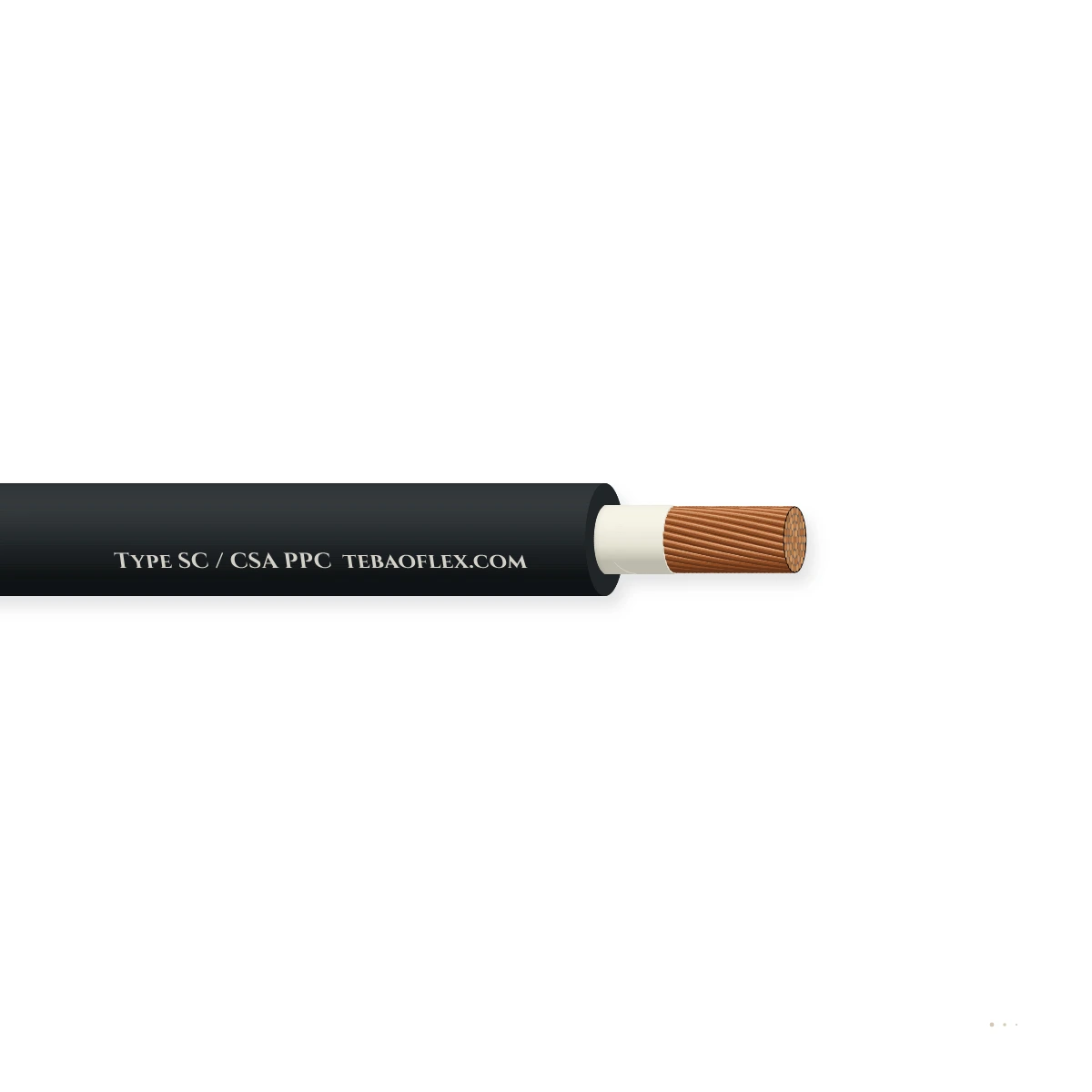
A single-core generator feeder cable is a limp 600 V or 0.6/1 kV portable power lead fitted with colour-coded male and female Cam-Lok connectors. It carries three-phase, neutral, and earth currents between mobile generator sets and main distribution panels. In North American rental fleets, the benchmark is 600 V Type SC entertainment stage feeder cable with 30 AWG Class K copper and -40 °C to +105 °C EPDM/CPE rubber.
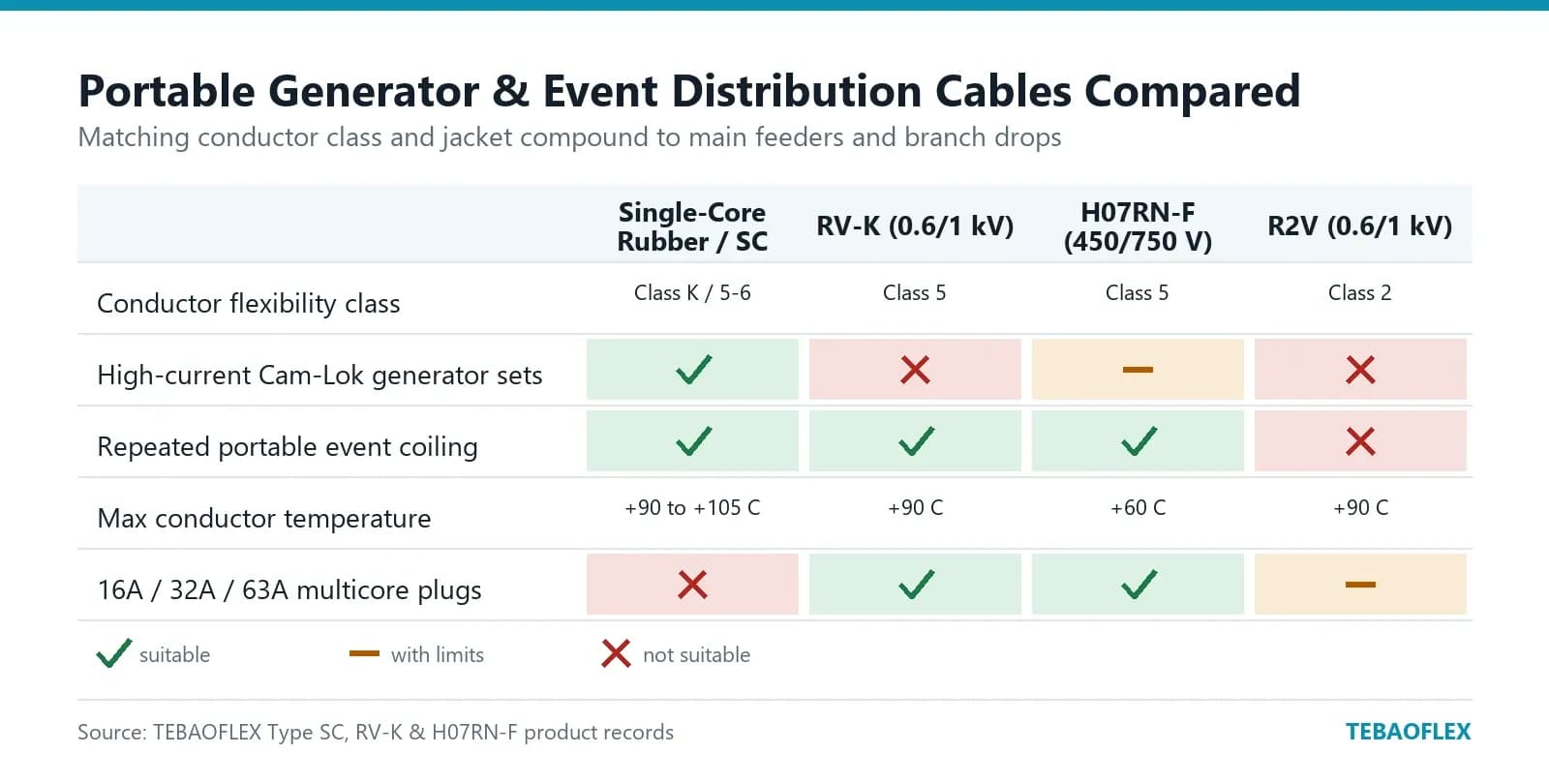
Comparing single-core Cam-Lok main feeders against multicore RV-K, H07RN-F and rigid R2V branch cables.
Comparison matrix — text version
For each criterion below, values are listed in this order: Single-Core Rubber / SC; RV-K (0.6/1 kV); H07RN-F (450/750 V); R2V (0.6/1 kV).
- Conductor flexibility class: Class K / 5-6; Class 5; Class 5; Class 2.
- High-current Cam-Lok generator sets: suitable; not suitable; suitable with limits; not suitable.
- Repeated portable event coiling: suitable; suitable; suitable; not suitable.
- Max conductor temperature: +90 to +105 °C; +90 °C; +60 °C; +90 °C.
- 16A / 32A / 63A multicore plugs: not suitable; suitable; suitable; suitable with limits.
Buyers sourcing metric generator feed cable assemblies alongside North American Cam-Lok hardware must check exact copper cross-sections before ordering connectors or load-bank test samples:
- 4/0 AWG is not 120 mm²: 4/0 AWG equals 107.2 mm², whereas 120 mm² sits between 4/0 AWG (107.2 mm²) and 250 kcmil (126.7 mm²). Because 120 mm² has a larger strand bundle and jacket diameter, size 400 A Cam-Lok sleeves and boots specifically for 120 mm² instead of 4/0 AWG.
- NEC Type SC free-air current ratings: Selecting the right main feeder wire size depends on single-conductor free-air ampacity. Type SC free-air tables rate 6 AWG (13.3 mm²) at 105 A and 2 AWG (33.6 mm²) at 190 A. Larger feeders carry 300 A for 2/0 AWG (67.4 mm²) and 405 A for 4/0 AWG (107.2 mm²).
- Vulcanised EPR/CPE rubber vs TPE: Soft TPE jackets soften near +70 °C under heavy load-bank currents. Vulcanised EPR insulation with a CPE rubber sheath withstands -40 °C to +105 °C while resisting ramp crush and diesel oil.
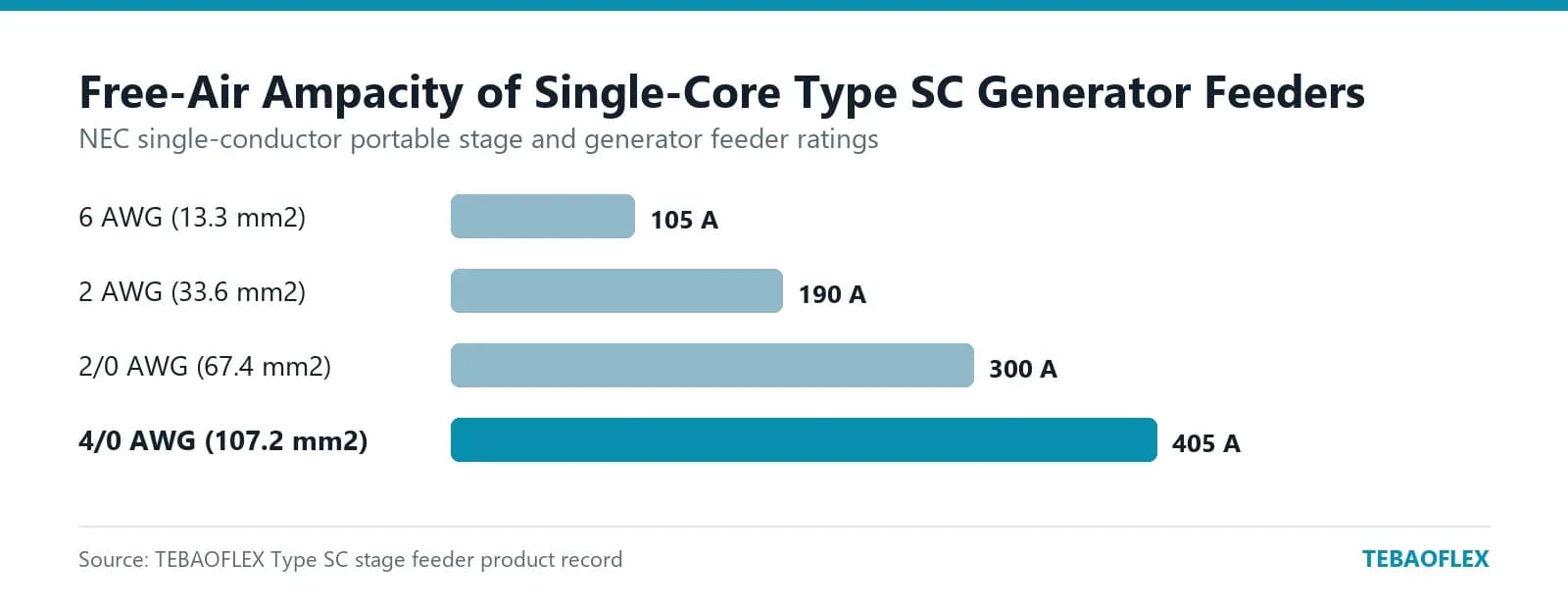
Free-air current ratings for 600 V Type SC single-conductor generator feeder cables.
Ampacity chart — text version
- 6 AWG (13.3 mm²): 105 A.
- 2 AWG (33.6 mm²): 190 A.
- 2/0 AWG (67.4 mm²): 300 A.
- 4/0 AWG (107.2 mm²): 405 A.
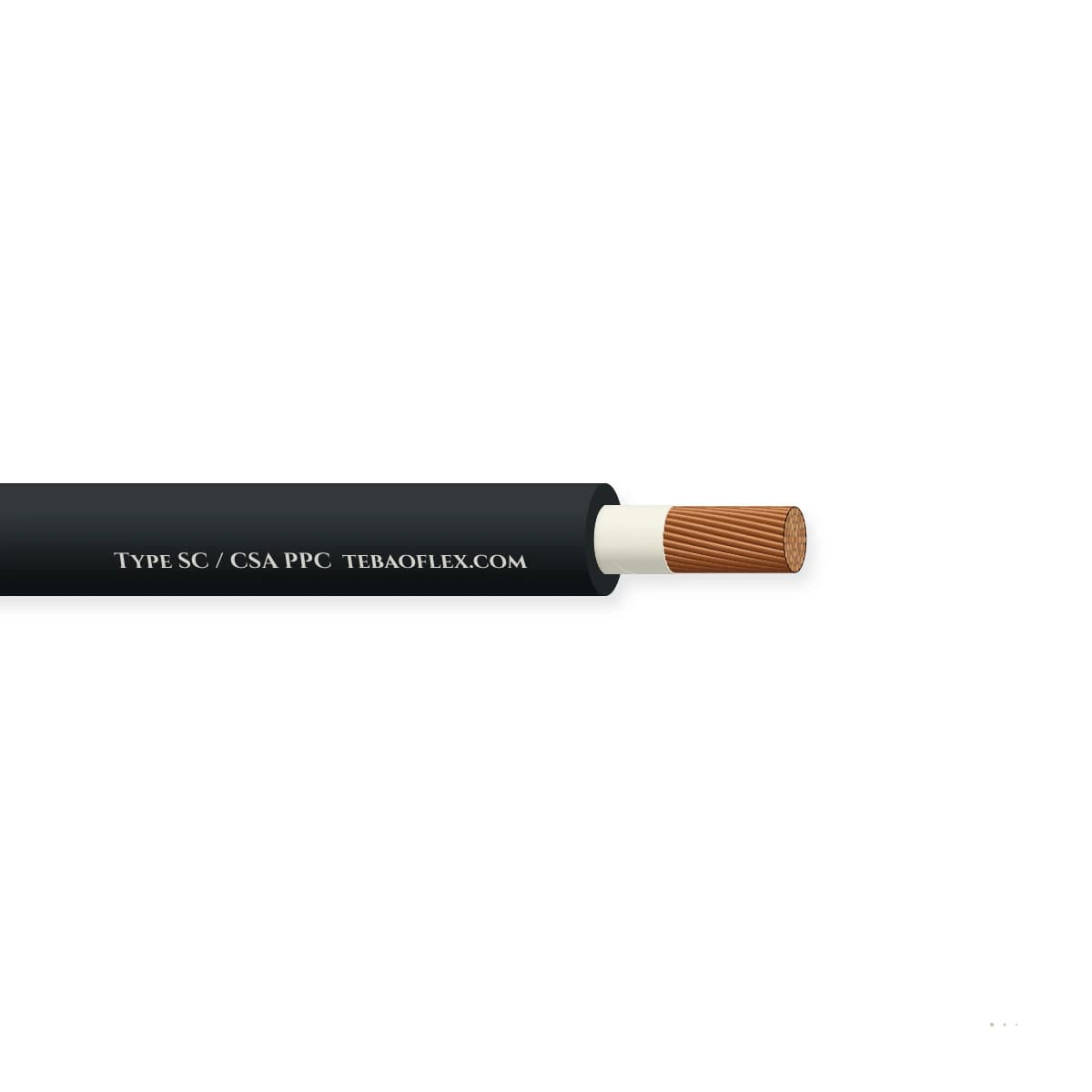
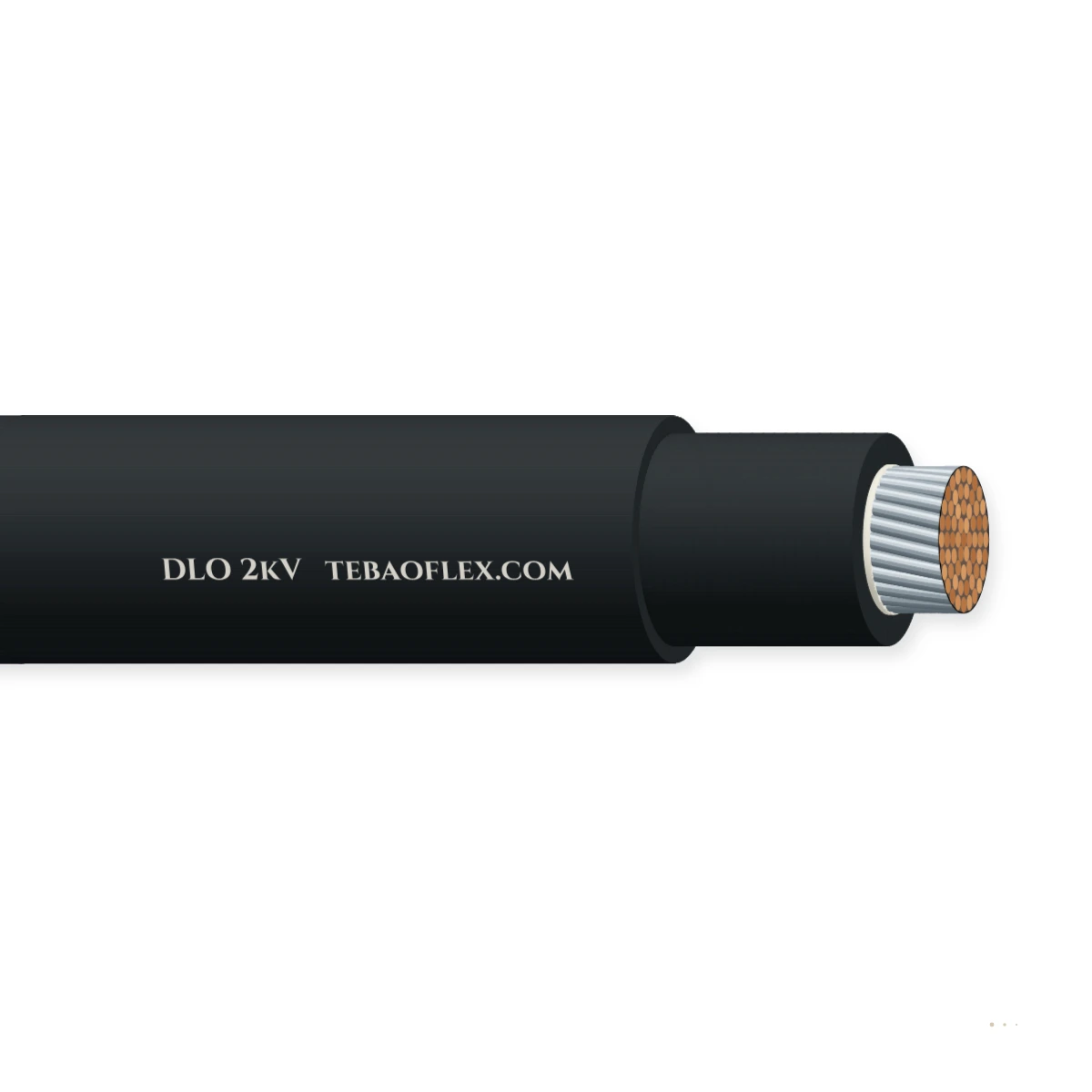
Ultra-limp rope-lay copper core, easy-strip separator tape, and cross-linked 105 °C elastomer jacket in a single-core stage feeder.
RV-K vs R2V and H07RN-F for Portable Branch Distribution
Downstream of the main distribution box, crews run multicore cables to dimmer racks, audio towers, and lighting trusses. Buyers comparing datasheets under IEC 60502-1 often weigh R2V (U-1000 R2V) against RV-K (0.6/1 kV) and H07RN-F (450/750 V).

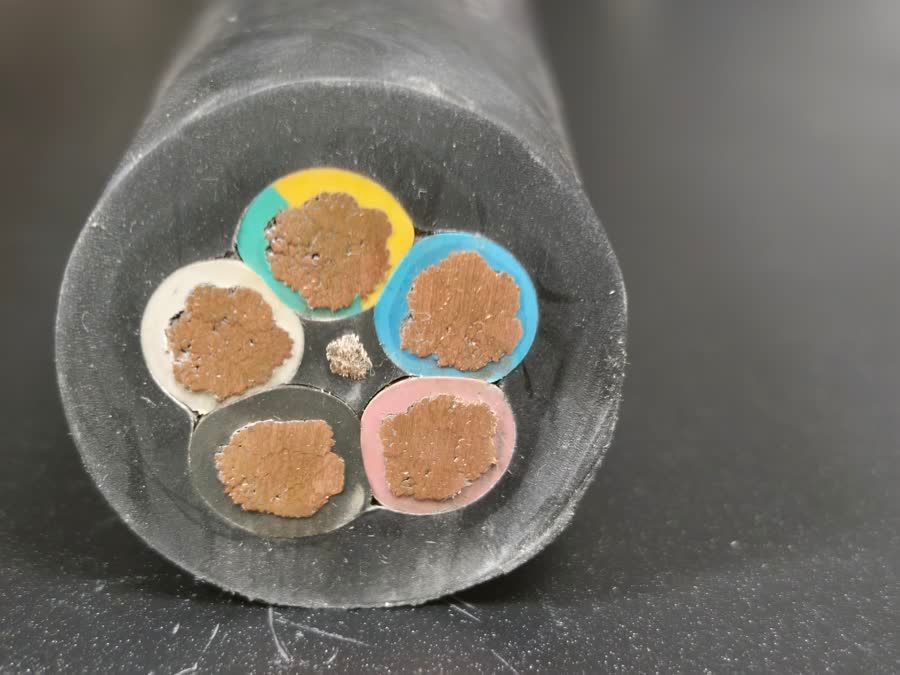
Class 5 flexible copper conductors with cross-linked XLPE insulation inside a flexible 0.6/1 kV RV-K power cable.
Conductor flexibility class under IEC 60228 separates fixed installation cables from portable rental cables:
- R2V (U-1000 R2V, Class 2 rigid stranded): Pairs XLPE insulation and a PVC sheath over stiff Class 2 copper (7 or 19 thick wires) for fixed trays and conduits. Coiling R2V after events kinks conductors and cracks terminations.
- RV-K (0.6/1 kV, Class 5 flexible copper): Pairs Class 5 flexible copper with +90 °C XLPE insulation and a flexible outer sheath (5 x OD bend radius). RV-K carries higher +90 °C current ratings while coiling easily for rental deployment.
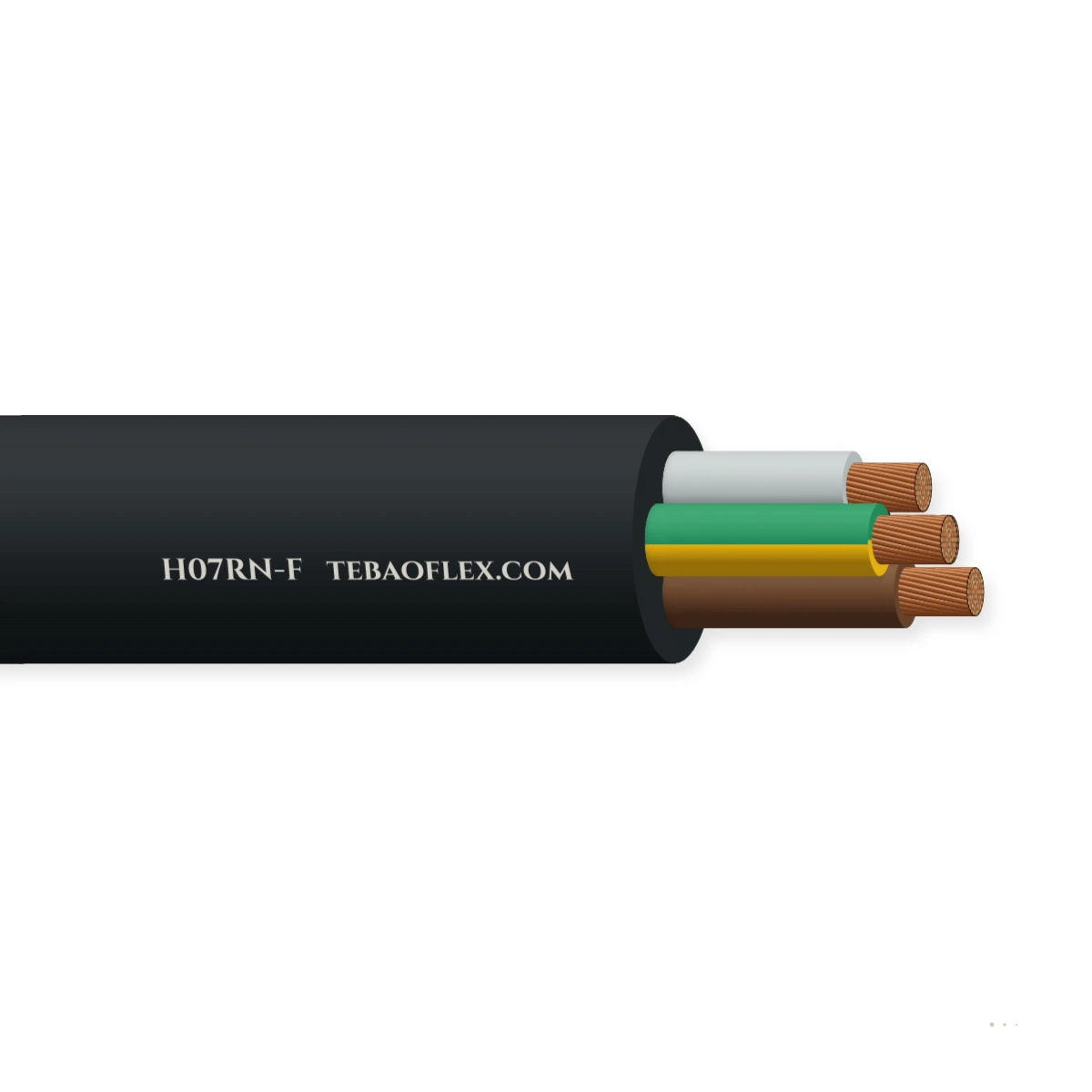
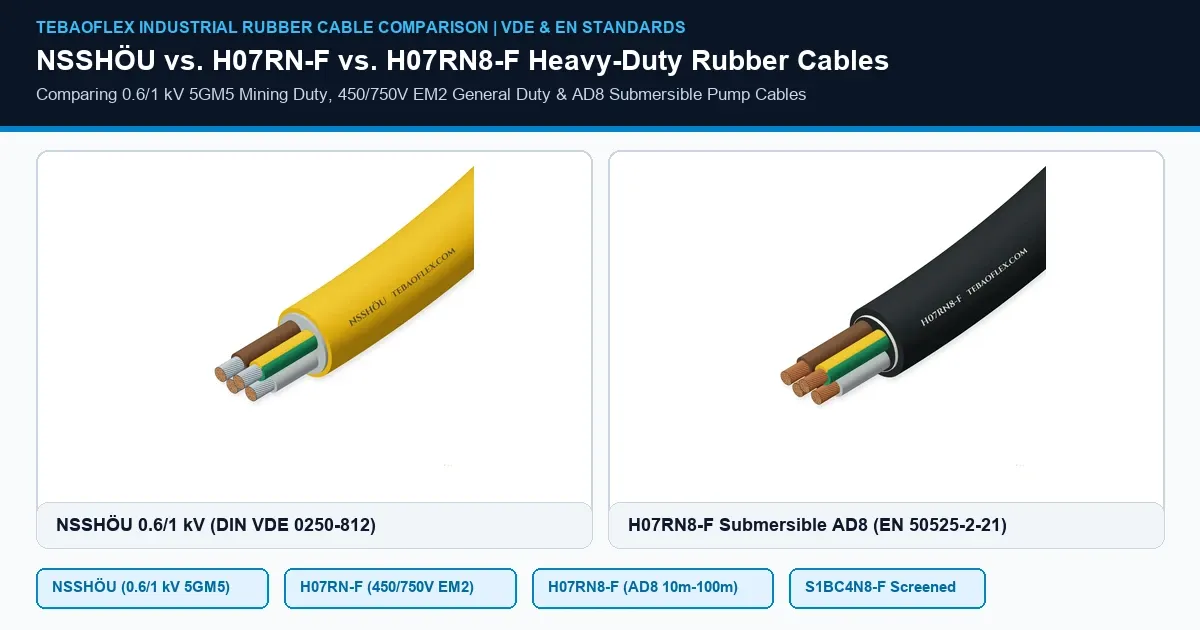
- H07RN-F (450/750 V, Class 5 rubber cable): Pairs Class 5 copper with EI4 EPR insulation and an EM2 polychloroprene sheath (-25 °C to +60 °C flexing) for rough ground duty. Compare options in our what is H07RN-F cable guide and NSSHÖU vs H07RN-F vs H07RN8-F comparison.
Matching 3-Core and 5-Core Cables to 16 A, 32 A and 63 A IP67 Plugs
Pole configuration matching (2P+E vs 3P+N+E) aligns a cable's core count with the pin layout of industrial IEC 60309 plugs and couplers. Rental buyers ordering pre-terminated cables or loose plugs frequently mix core counts on 16 A circuits:
- 16 A single-phase circuits (2P+E, 3-core cable): Use a 3-core flexible cable (phase, neutral, and green-yellow earth, such as 3G2.5 mm²). Terminate it into 3-pin (1P+N+E / 2P+E) blue 230 V plugs, never 5-pin housings.
- 32 A and 63 A three-phase circuits (3P+N+E, 5-core cable): Use a 5-core flexible cable (three phases, neutral, and earth, such as 5G6 mm² for 32 A or 5G16 mm² for 63 A). Terminate it into 5-pin (3P+N+E) red 400 V industrial plugs and couplers.
- IP67 vs IP44 outdoor sealing: Outdoor festival turf and washdown zones require IP67 watertight bayonet-ring connectors sized to the outer diameter of RV-K or H07RN-F.
What to Send for a Cable Recommendation
When planning a rental fleet order or load-bank sample test for a generator feeder cable and branch distribution package, send our team:
- Main feeder spec: 120 mm², 4/0 AWG, or other single-core size, voltage, and whether bulk drums or pre-cut Cam-Lok sets are required.
- Required phase jacket or band colours for three phases, neutral, and earth.
- Branch cable schedule (3G2.5, 5G6, 5G16 in RV-K or H07RN-F) plus 16 A (2P+E), 32 A (3P+N+E), and 63 A (3P+N+E) IP67 connector counts.
- Target arrival season so manufacturing, connector assembly, and container loading fit your event calendar.
Contact TEBAOFLEX via WhatsApp at +86 185 9591 3361 or email info@tebaoflex.com for datasheets, load-bank test samples, and container weight breakdowns.
Frequently Asked Questions
How do 120 mm2 and 4/0 AWG single-core flexible rubber cables compare for temporary generator and camlock power distribution?
A 120 mm² metric conductor provides roughly 12% more copper cross-section than 4/0 AWG (107.2 mm²), resulting in slightly lower voltage drop and a larger bare conductor and jacket diameter. Both sizes work with 400 A single-pole Cam-Lok connectors, provided the crimp sleeve and elastomeric strain-relief boot are matched to the exact metric or AWG conductor diameter.
What is the difference between RV-K and R2V 0.6/1 kV power cables for portable three-phase and single-phase distribution?
Although both cables use +90 °C XLPE insulation rated at 0.6/1 kV, R2V uses stiff Class 2 stranded copper designed for fixed building trays and conduits. RV-K uses IEC 60228 Class 5 fine-stranded flexible copper, allowing repeated coiling, payout, and termination into portable 16 A, 32 A, and 63 A event distribution boxes without conductor fatigue.
How do 3-core and 5-core flexible distribution cables match 16 A, 32 A, and 63 A IP67 industrial connectors?
A 3-core cable carries one phase, one neutral, and one earth (1P+N+E, marked 2P+E on IEC 60309 housings) and mates with blue single-phase 16 A plugs. Providing three phases, neutral, and earth requires a 5-core cable (3P+N+E) mated with red 5-pin 32 A or 63 A plugs; specify IP67 locking rings for outdoor event grounds.
Why use vulcanised EPR/CPE rubber instead of soft thermoplastic elastomer on generator feeder cables?
Standard thermoplastic elastomer (TPE) compounds feel limp at room temperature but soften near +70 °C when carrying sustained generator or load-bank current under direct sunlight. Cross-linked EPR insulation paired with a vulcanised CPE rubber sheath maintains mechanical tear resistance, oil resistance, and thermal stability from -40 °C up to +105 °C.