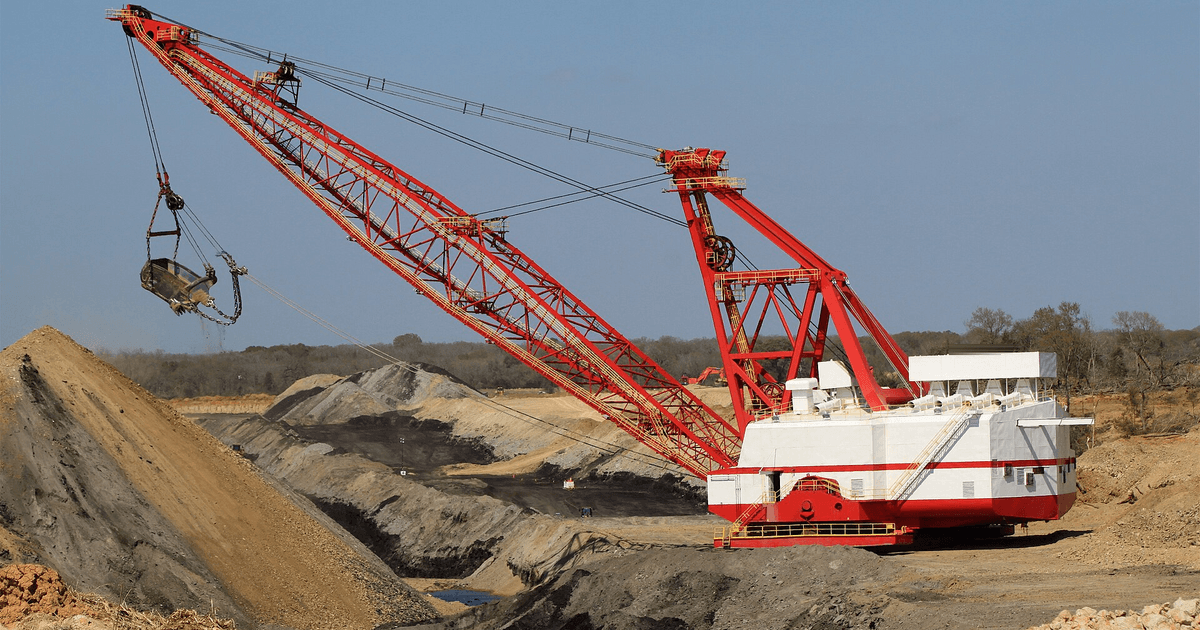
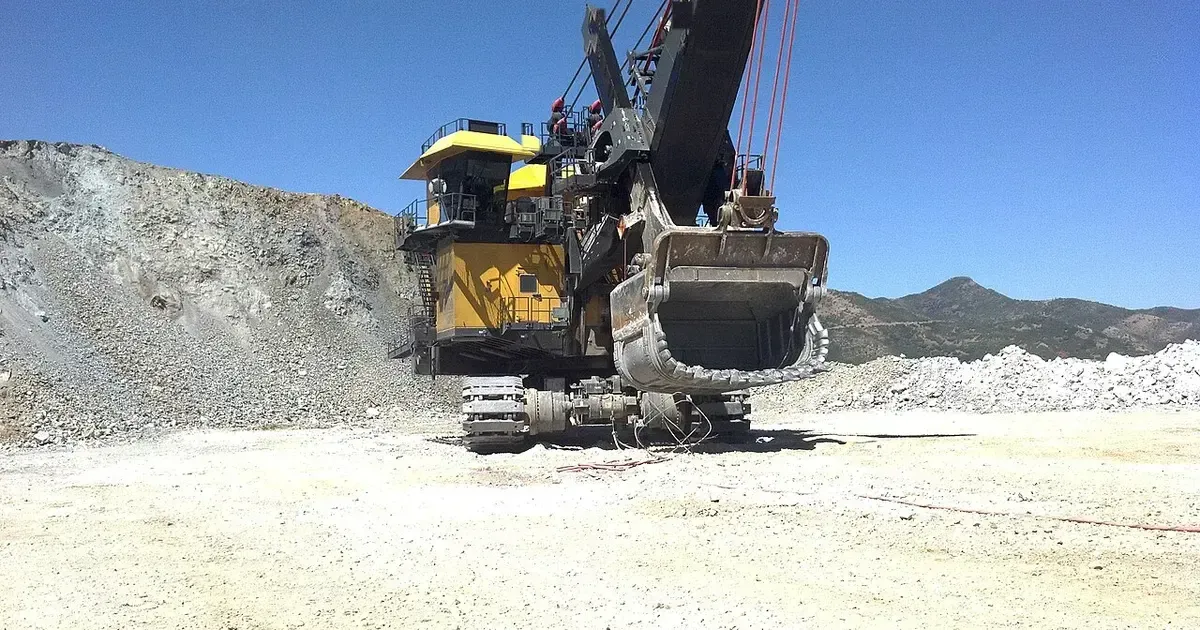
TL;DR: Selecting a 2 kV Type G-GC mining cable involves four checkpoints beyond conductor gauge. Rigid XLPE feeders crack during dragging and pump moves, whereas flexible 90 °C EPR cores inside extra-heavy-duty CPE or TPU sheaths survive 6 × OD bends. Import clearance in South American mining ports also requires a signed 6-part layer composition dossier. Verify structure on 15 cm cut samples, test 500 to 1,000 V insulation resistance on full reels, and plan drum length to avoid 20GP cube-out below 10 tons.
- Insulation & sheath selection: Common Distributor Pitfall: Mixing rigid 2 kV XLPE feeder sheets into mobile trailing bids; Field or Port Consequence: Insulation crazing and jacket split under repeated rock drag; Verified Engineering Action: Specify 90 °C EPR cores with two-layer CPE or TPU sheath; Target Reference: Type G-GC / Type W
- Customs chemical audit: Common Distributor Pitfall: Submitting a 1-page commercial datasheet showing only AWG and volts; Field or Port Consequence: Container detention pending full material breakdown proof; Verified Engineering Action: Supply a signed 6-part layer composition dossier in English and Spanish; Target Reference: HS 8544.49 / 8544.60
- Sample vs. electrical QA: Common Distributor Pitfall: Trying to run high-voltage IR tests on a 15 cm cut sample; Field or Port Consequence: Surface creepage ruins IR readings; sample looks faulty; Verified Engineering Action: Inspect stranding and walls on 15 cm cuts; test IR/HV on full reels; Target Reference: ICEA S-75-381 Part 3
- Container ocean freight: Common Distributor Pitfall: Assuming 20GP loads reach 20 tons on standard 500 m drums; Field or Port Consequence: Six bulky drums fill the floor at 6 to 10 tons, doubling freight; Verified Engineering Action: Wind 800 to 1,000 m per drum or upgrade volume orders to 40GP; Target Reference: 20GP vs. 40GP cube
2 kV EPR-TPU and CPE vs. XLPE: Comparing Type G-GC, Type W, and Type SHD-GC
Mining distributors across South America frequently ask factories to upgrade a 2 kV portable pump or drill cable for higher tear and drag life. Confusion starts when buyers attach a stationary 2 kV XLPE feeder datasheet alongside a mobile Type G-GC portable mining cable request.
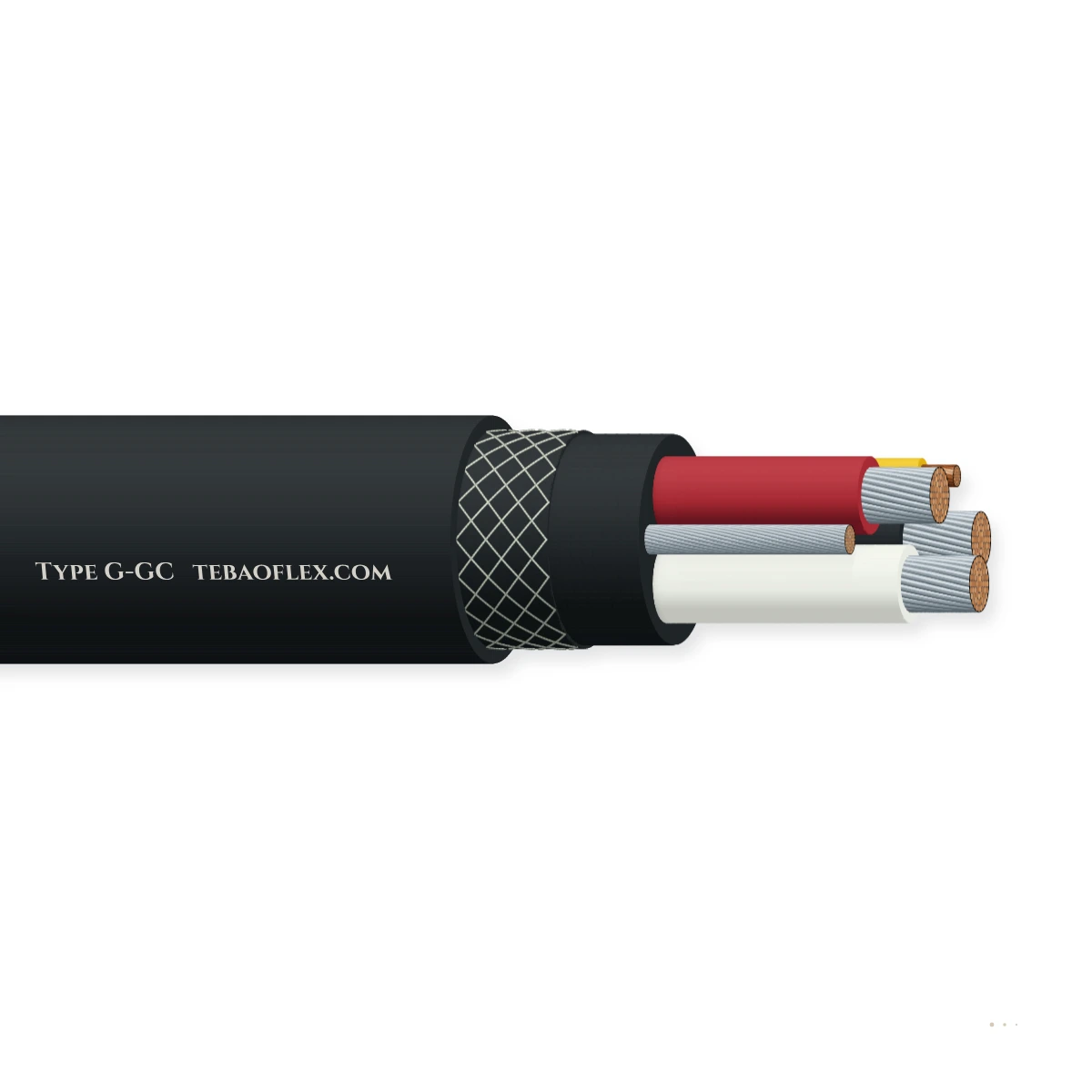
Type G-GC portable power cable is a 2,000 V unshielded mining trailing cable built to ANSI/NEMA WC 58 and ICEA S-75-381 scope. It combines three rope-lay tinned copper phases, two split grounds (≥ 50% of one phase area), and one yellow ground-check (GC) pilot core inside a reinforced elastomeric sheath.
Semi-crystalline XLPE works well inside fixed mine shafts and rigid ducts. Under constant reeling, rock abrasion, and dewatering pump shifts, rigid XLPE develops stress cracks and stiffens sharply at sub-zero elevations. Flexible 90 °C EPR (130 °C emergency overload, 250 °C short-circuit) stays pliable down to -40 °C. Pairing EPR insulation with a high-abrasion thermoplastic polyurethane (TPU) or twin-layer cord-reinforced thermoset CPE jacket resists sharp ore cuts without sacrificing flexibility.

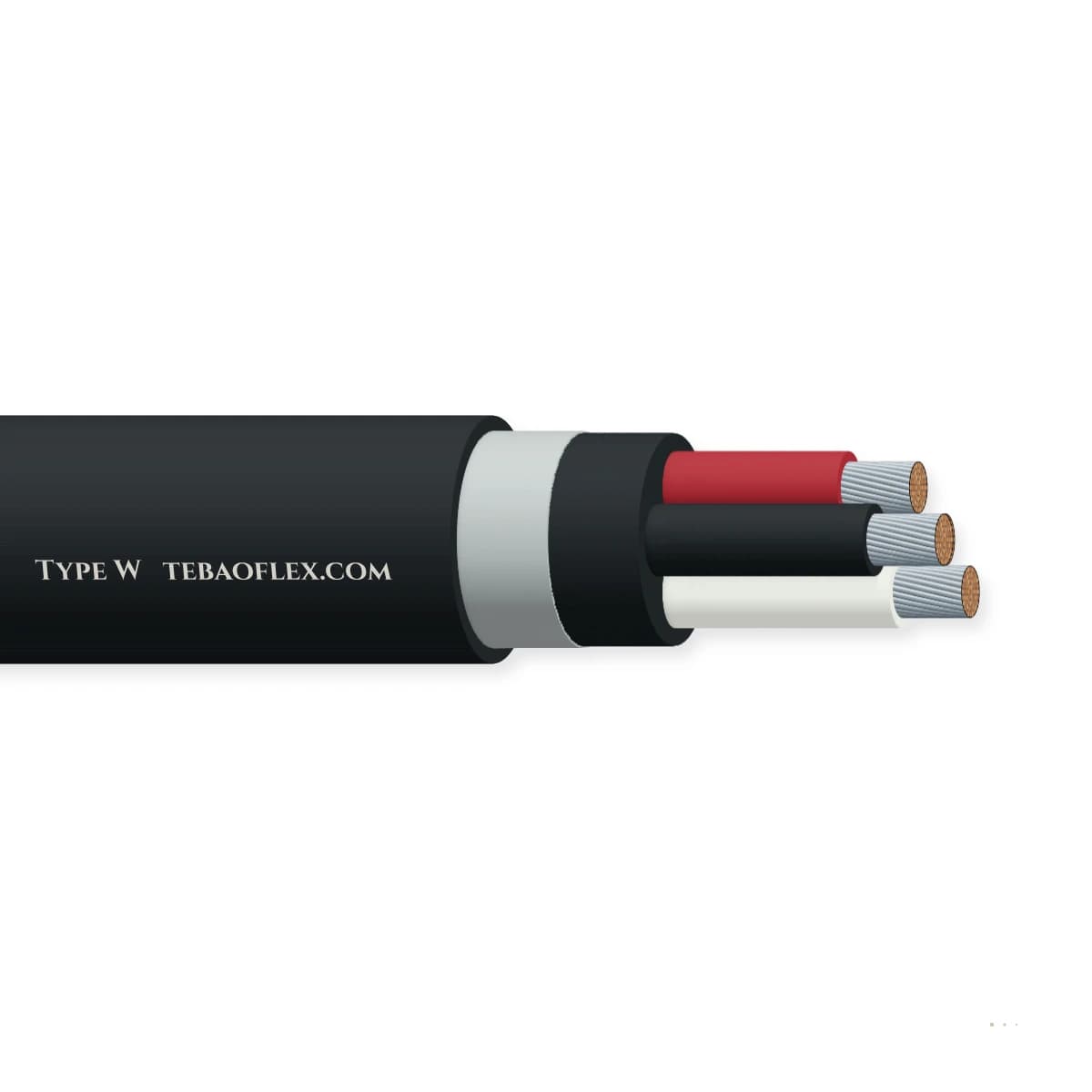
Compare how core layout, shielding, sheath build, and bend limits separate four 2 kV mining cables under ICEA S-75-381 (3 x 2 AWG at 40 °C air).
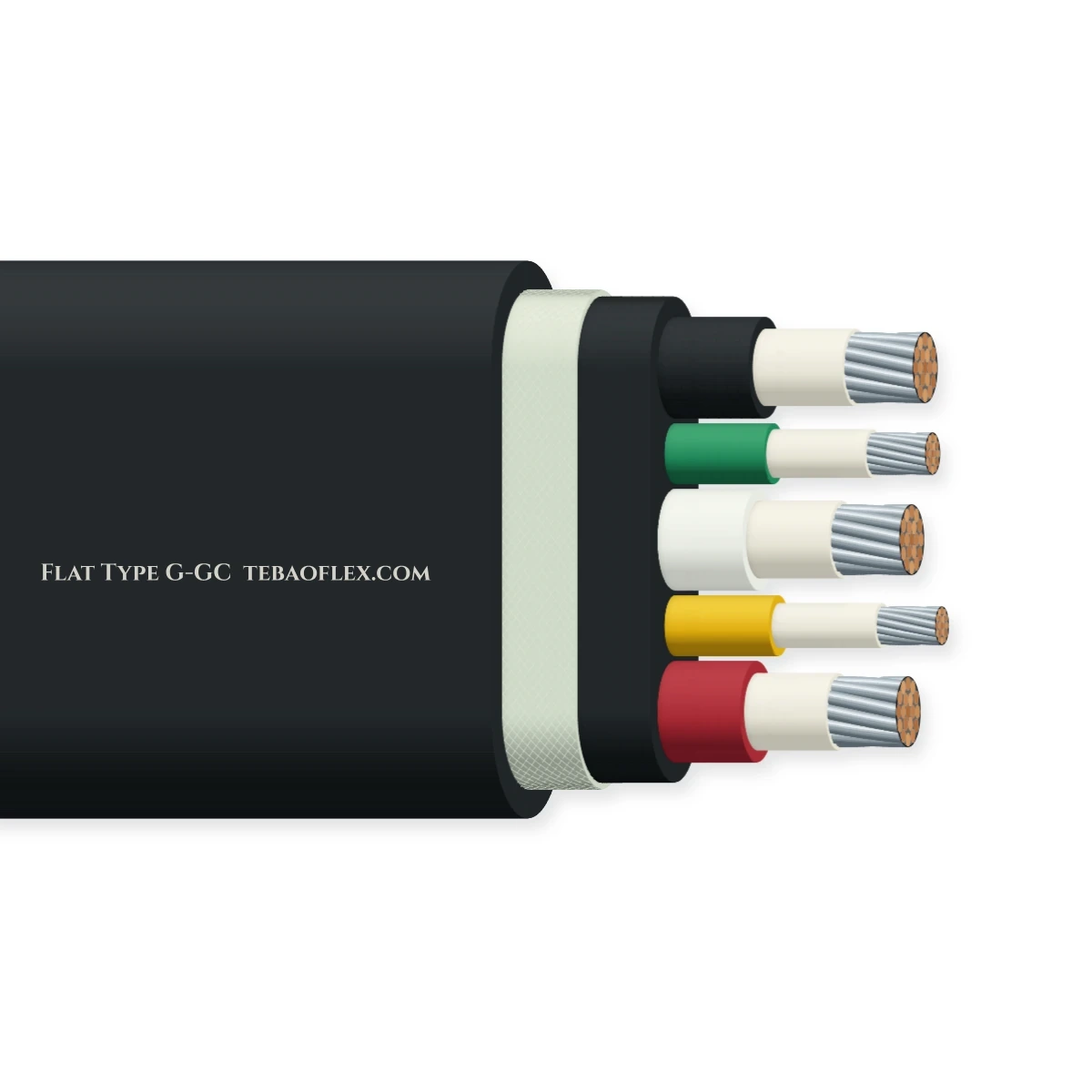
- Core & ground layout: Type G-GC Round (3 x 2 AWG): 3P + 2G (2x7 AWG) + 1GC (10 AWG); Flat Type G-GC (3 x 2 AWG): Parallel 3P + 1G (5 AWG) + 1GC (8 AWG); Type W Round (3 x 2 AWG): 3 or 4 insulated phases; no pilot; Type SHD-GC (2 kV, 3 x 2 AWG): 3P copper-braid shielded + 2G + 1GC
- Copper stranding (ASTM B172): Type G-GC Round (3 x 2 AWG): 259 rope-lay tinned Cu wires; Flat Type G-GC (3 x 2 AWG): 259 rope-lay tinned Cu wires; Type W Round (3 x 2 AWG): 259 rope-lay tinned or bare Cu; Type SHD-GC (2 kV, 3 x 2 AWG): 259 rope-lay tinned Cu wires
- Primary insulation (90 °C): Type G-GC Round (3 x 2 AWG): 1.52 mm (60 mils) EPR (Blk/Wht/Red); Flat Type G-GC (3 x 2 AWG): 1.52 mm EPR + separator tape; Type W Round (3 x 2 AWG): 1.52 mm (60 mils) EPR (Blk/Wht/Red); Type SHD-GC (2 kV, 3 x 2 AWG): 1.80 mm (70 mils) EPR + braid shield
- Outer sheath construction: Type G-GC Round (3 x 2 AWG): Twin-layer CPE with cord (or TPU option); Flat Type G-GC (3 x 2 AWG): Mold-cured flat extra-heavy CPE + braid; Type W Round (3 x 2 AWG): Two-layer reinforced CPE (Blk/lum.); Type SHD-GC (2 kV, 3 x 2 AWG): Two-layer extra-heavy CPE (4.3 mm wall)
- Nominal OD & linear mass: Type G-GC Round (3 x 2 AWG): 34.0 mm (1.34 in); 2,202 kg/km; Flat Type G-GC (3 x 2 AWG): 49.5 mm max width; 2,980 kg/km; Type W Round (3 x 2 AWG): 34.0 mm (1.34 in); 2,128 kg/km; Type SHD-GC (2 kV, 3 x 2 AWG): 40.4 mm (1.59 in); 2,645 kg/km
- Ampacity (90 °C / 40 °C air): Type G-GC Round (3 x 2 AWG): 138 A (59 to 487 A full range); Flat Type G-GC (3 x 2 AWG): 159 A (shuttle-car duty schedule); Type W Round (3 x 2 AWG): 138 A (59 to 287 A round 3-core); Type SHD-GC (2 kV, 3 x 2 AWG): 159 A (93 to 536 A 2 kV range)
- Min. bend radius & duty: Type G-GC Round (3 x 2 AWG): 6 × OD (≤ 50.8 mm); pumps & drills; Flat Type G-GC (3 x 2 AWG): 6 × OD single-plane shuttle car reels; Type W Round (3 x 2 AWG): 6 × OD; portable pumps & distribution; Type SHD-GC (2 kV, 3 x 2 AWG): 6 × OD (≤ 5 kV) / 8 × OD (> 5 kV); shovels & draglines
Select Type W portable power cable for basic submersible pumps without ground-check relays. Choose Type G-GC when safety rules mandate continuous ground-check monitoring per 30 CFR Part 77 Subpart G trailing cable rules. Use Flat Type G-GC shuttle car cable on flat shuttle-car reels. Upgrade to Type SHD-GC shielded trailing cable when electrical codes require individual phase shields.
Review family differences in our Type W, G-GC, and SHD-GC comparison and our ANSI/NEMA WC 23058 (2025) revision breakdown.
Layer-by-Layer Material Composition Dossiers for Mining Cable Customs Clearance
Import containers carrying high-value copper trailing cables often clear factory inspection cleanly, only to stall at destination customs over incomplete technical sheets. A generic sales leaflet listing voltage and AWG gauge fails tariff classification audits when customs officers request chemical proof of every layer.
Customs material composition dossier is a signed, stamped factory declaration breaking down every metallic, rubber, and fiber layer inside a cable. Across South American ports, customs teams audit HS 8544.49 (≤ 1,000 V) and HS 8544.60 (> 1,000 V) entries using six required sections.
- Conductors (material and coating): Declare annealed copper purity, tin plating (ASTM B33 / B172), strand count (259 wires on 4 AWG and 2 AWG), and cross-sectional area.
- Primary electrical insulation: State polymer chemistry (90 °C crosslinked EPR/EPDM), phase colors (Black, White, Red), and nominal wall thickness (1.52 mm or 2.03 mm).
- Grounds, pilot core, and screens: List bare or green split grounds and the yellow PP/EPR ground-check core. Mark Type G-GC and Type W explicitly as "Unshielded" (SHD-GC lists copper braid).
- Separators and internal reinforcement: Name conductor binder tapes, core fillers, and the open-weave synthetic reinforcing cord bonded inside the sheath.
- Outer jacket chemistry: State exact sheath polymer (extra-heavy-duty thermoset CPE or abrasion-resistant TPU), twin-layer build, wall thickness, and color pigment.
- Governing standards and end-use: List cable model, 2,000 V rating, ICEA S-75-381 / ANSI/NEMA WC 23058, and MSHA 30 CFR Part 7 Subpart K flame standards. State end use such as mine dewatering pumps or drills.
Request this dossier in bilingual English and Spanish before vessel departure rather than waiting for a port customs observation notice. Matching exact model designations across the commercial invoice, packing list, drum labels, and signed dossier prevents demurrage fees. Explore standard coverage across our ICEA mining standards hub and MSHA flame-compliant cables hub.
15 cm Cut Samples vs. 500 to 1,000 V Insulation Resistance and Factory HV Testing
First-time mining buyers often ask why factories ship 10 to 15 cm cut samples instead of multi-meter loops. Running a high-voltage test on a 15 cm stub gives false failures. Surface humidity and creepage across freshly cut rubber ends swamp bulk insulation resistance.
Destructive structural cut inspection is a short-sample physical audit verifying copper stranding, tinning, wall concentricity, and sheath reinforcement before production begins. Electrical dielectric integrity must always be tested on finished full-length production reels.
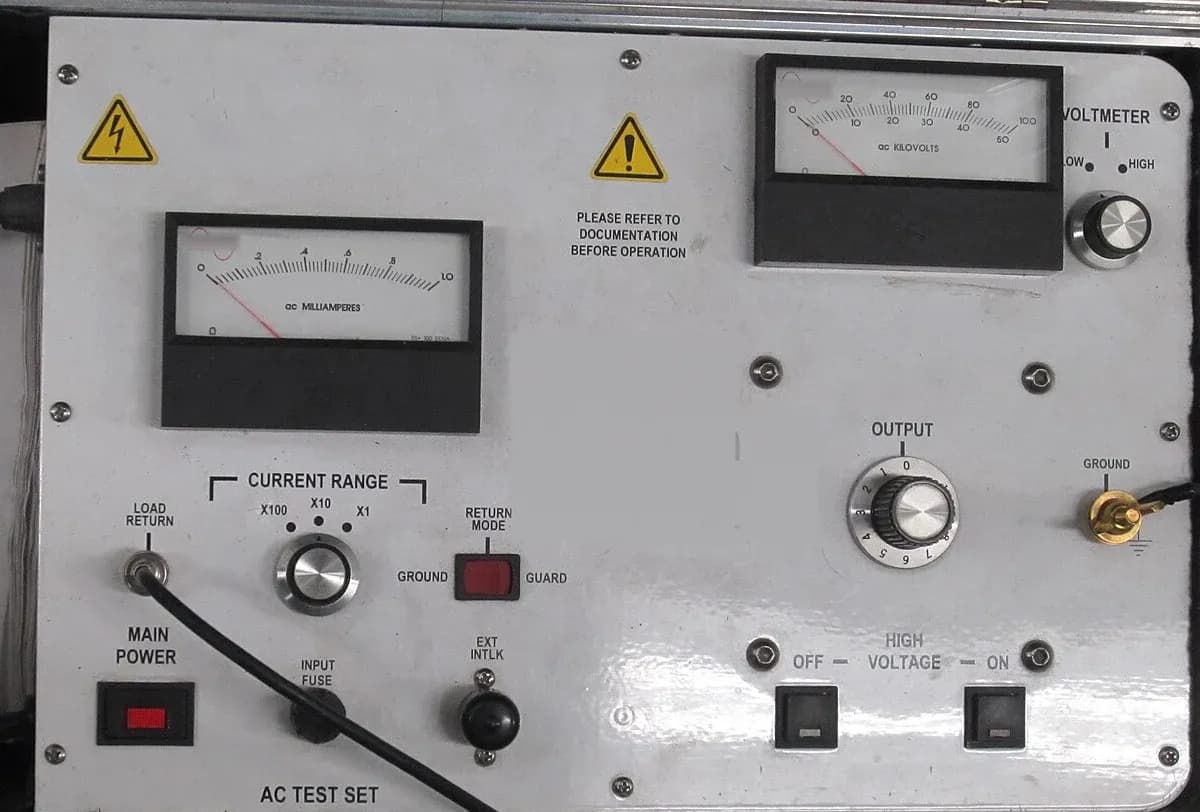
Split quality assurance into three clear gates so sample size never delays procurement.
- 1. Pre-order physical cut sample: Required Sample Length: 15 cm (~6 in) dry stub; Primary Instruments & Test Basis: Calipers, strand counter, peel check; Exact Parameters Confirmed: Rope-lay strand count (133 to 532), tin coating, EPR wall, yellow GC core, reinforcing mesh
- 2. Factory Acceptance Test (FAT): Required Sample Length: 100% of finished reel length; Primary Instruments & Test Basis: In-line spark tester, micro-ohmmeter, HV AC bench; Exact Parameters Confirmed: Zero spark pinholes, 20 °C DC resistance per IEC 60228 conductor resistance classes / ASTM, HV AC withstand per ICEA S-75-381
- 3. Warehouse receiving audit: Required Sample Length: Full landed export drum; Primary Instruments & Test Basis: 500 V or 1,000 V DC handheld digital IR tester; Exact Parameters Confirmed: Core-to-core & core-to-ground insulation resistance (≥ 100 to 500 MΩ·km reference) plus 60 s / 30 s DAR ≥ 1.25 moisture check
During 3x8 AWG or 3x4 AWG production, request short workshop videos of stranding, inner sheath extrusion, and meter-mark printing. After delivery, test full reels at 500 V or 1,000 V DC to verify zero transit moisture before mine release. See full test steps in our mining cable testing and repair guide.
Why Large-OD Mining Cable Drums Cube Out a 20GP Container Below Half Payload
Ocean freight math surprises many distributors when they review the final packing list. A standard 20GP container measures 5.89 m x 2.35 m x 2.39 m (2.28 m door, 33.1 m³) with a 20 to 21.7 t payload rating. Yet a full 20GP of 2 kV Type G-GC wooden drums often weighs only 6 to 10 metric tons.
Container cubic volume cube-out occurs when bulky wooden reels exhaust floor area and door height long before hitting weight limits. Thick rubber walls (24.6 to 51.8 mm OD) demand wide drum barrels (≥ 16 × OD). Circular flanges and hollow cores trap large unused air voids inside the box.
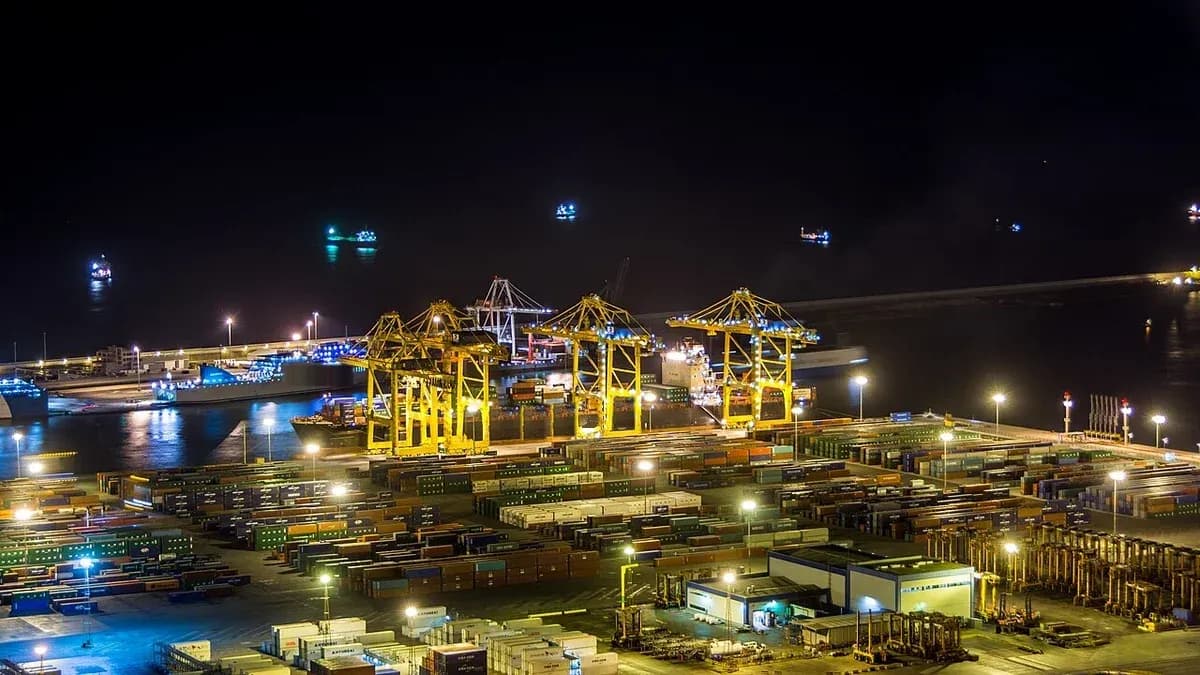
Review exact drum geometry for 2 kV Type G-GC on export wooden reels (100 mm diameter lagging, 180 mm width lagging). Because 1.5 to 2.0 m reels cannot double-stack inside a 2.28 m door, all rows load single-layer on the floor.
- 3 x 8 AWG (24.6 mm / 893 kg/km): Export Wooden Drum (Flange x Width, Barrel): 1,400 x 800 mm (d=600, 160 kg tare); Standard 500 m Drum Gross Weight: 606 kg (2.21 m³ box); Max Wound Length & Gross Weight (~60 mm clr.): 1,165 m (1,200 kg); 20GP Floor Fit (5.89 x 2.35 m): 6 drums (2 x 3); 20GP Gross Load (500 m vs. Max Wound): 3.64 t (500 m) / 7.20 t (max); 40GP Floor Fit (12.03 x 2.35 m): 16 drums (2 x 8; 9.70 to 19.21 t)
- 3 x 4 AWG (30.2 mm / 1,592 kg/km): Export Wooden Drum (Flange x Width, Barrel): 1,600 x 850 mm (d=700, 200 kg tare); Standard 500 m Drum Gross Weight: 996 kg (2.98 m³ box); Max Wound Length & Gross Weight (~60 mm clr.): 1,081 m (1,921 kg); 20GP Floor Fit (5.89 x 2.35 m): 6 drums (2 x 3); 20GP Gross Load (500 m vs. Max Wound): 5.98 t (500 m) / 11.53 t (max); 40GP Floor Fit (12.03 x 2.35 m): 14 drums (2 x 7; 13.94 to 26.89 t)
- 3 x 2 AWG (34.0 mm / 2,202 kg/km): Export Wooden Drum (Flange x Width, Barrel): 1,700 x 880 mm (d=750, 220 kg tare); Standard 500 m Drum Gross Weight: 1,321 kg (3.43 m³ box); Max Wound Length & Gross Weight (~60 mm clr.): 1,091 m (2,622 kg); 20GP Floor Fit (5.89 x 2.35 m): 6 drums (2 x 3); 20GP Gross Load (500 m vs. Max Wound): 7.93 t (500 m) / 15.73 t (max); 40GP Floor Fit (12.03 x 2.35 m): 12 drums (2 x 6; 15.85 to 26 t cap)
- 3 x 2/0 AWG (44.5 mm / 4,092 kg/km): Export Wooden Drum (Flange x Width, Barrel): 1,800 x 900 mm (d=900, 260 kg tare); Standard 500 m Drum Gross Weight: 2,306 kg (3.90 m³ box); Max Wound Length & Gross Weight (~60 mm clr.): 600 m (2,715 kg); 20GP Floor Fit (5.89 x 2.35 m): 6 drums (2 x 3); 20GP Gross Load (500 m vs. Max Wound): 13.84 t (500 m) / 16.29 t (max); 40GP Floor Fit (12.03 x 2.35 m): 12 drums (2 x 6; road weight cap)
- 3 x 4/0 AWG (51.8 mm / 5,923 kg/km): Export Wooden Drum (Flange x Width, Barrel): 2,000 x 920 mm (d=1,000, 310 kg tare); Standard 500 m Drum Gross Weight: 3,272 kg (4.85 m³ box); Max Wound Length & Gross Weight (~60 mm clr.): 604 m (3,887 kg); 20GP Floor Fit (5.89 x 2.35 m): 4 drums (2 x 2); 20GP Gross Load (500 m vs. Max Wound): 13.09 t (500 m) / 15.55 t (max); 40GP Floor Fit (12.03 x 2.35 m): 10 drums (2 x 5; road weight cap)
Meterage per drum directly drives landed freight cost. On 3 x 2 AWG, winding 800 m instead of 500 m onto the same 1,700 x 880 mm drum raises reel weight from 1,321 kg to 1,982 kg. That change lifts a 6-drum 20GP from 7.93 t to 11.89 t and cuts sea freight per meter by 37.5%. For mixed stock (8 AWG to 2 AWG) filling 6 floor slots at 8 to 10 t, compare 40GP freight quotes immediately. Both 20GP and 40GP share similar 20 to 26 t road limits. Whenever 40GP ocean freight costs under 1.5x a 20GP quote, stepping up to a 40GP doubles floor capacity to 12 to 16 drums and lowers landed cost per meter.
Browse full underground and surface feeder builds on our mining and tunnelling cables hub and trailing cables catalog.
Pre-Shipment Procurement Checklist for 2 kV Mining Trailing Cable Orders
Confirm six logistics and engineering checkpoints with your factory before booking container space.
- Lock elastomer compound vs. fixed XLPE: Confirm 90 °C EPR cores inside CPE or high-abrasion TPU jackets for mobile pumps, drills, and loaders.
- Approve custom sheath print and color: Verify private-label text, MSHA flame marks, 2,000 V rating, AWG layout, and meter marks before extrusion.
- Sign the 6-part customs dossier early: Require stamped bilingual English/Spanish composition PDFs matching HS codes prior to vessel departure.
- Separate structural vs. electrical QA: Check stranding and walls on 15 cm cuts. Require full-reel FAT HV AC and resistance logs aligned with our factory quality certification records.
- Optimize winding length per drum: Maximize meterage per flange (+200 to +300 m on 8 AWG to 2 AWG) to avoid half-empty wooden barrels.
- Compare 20GP vs. 40GP freight per meter: Request a 20GP vs. 40GP floor plan whenever 20GP gross tonnage lands below 12 tons.
Need an exact 20GP or 40GP drum plan, a 15 cm sample, or a stamped 6-part customs dossier? Send your AWG list and target lengths to the TEBAOFLEX engineering team for a tailored container and spec breakdown.
Frequently Asked Questions
Why do 2 kV Type G-GC cables use EPR and TPU or CPE instead of XLPE?
Mobile trailing cables flex constantly over sharp rock and reels, which cracks rigid XLPE. Type G-GC pairs 90 °C EPR with rope-lay tinned copper (133 to 1,221 strands) and reinforced CPE or TPU sheaths. It keeps 6 × OD flexibility down to -40 °C while resisting mine water, oil, and cuts.
What must a mining cable datasheet include to clear strict South American customs checks?
Customs officers require a signed, layer-by-layer chemical composition dossier rather than a summary brochure. List six clear parts in English and Spanish: copper purity and tinning (ASTM B33/B172), EPR insulation chemistry, grounds and pilot (Unshielded on G-GC), separator tapes and cord, CPE or TPU sheath chemistry, and ICEA/MSHA standards.
Why is a 15 cm cable sample too short for an insulation resistance test?
Air humidity and end-face creepage across a 15 cm cut overwhelm real bulk insulation readings. Factories ship 15 cm stubs solely for structural checks: copper strand count, tinning, EPR walls, yellow GC core, and cord mesh. Run 500 V or 1,000 V DC insulation resistance (IR and DAR) tests only on full landed reels.
Why does a 20GP container fill up at 9 to 10 tons with Type G-GC mining cables?
Large elastomeric outer diameters and wide drum barrels exhaust floor space well below the 20-ton weight cap. Export wooden reels (1.5 to 2.0 m tall) cannot double-stack through a 2.28 m door, limiting a 20GP to 4 to 6 drums. Winding 800 to 1,000 m per reel or booking a 40GP sharply lowers ocean freight per meter.
When should a mining operation choose Type G-GC instead of Type W or Type SHD-GC?
Pick Type W for basic 2 kV dewatering pumps without ground-check relays. Specify Type G-GC when safety codes mandate continuous pilot-wire ground monitoring (3P + 2G + 1GC) up to 2,000 V. Upgrade to Type SHD-GC whenever site codes or higher voltages (2 kV to 25 kV) require copper-braid shields around every phase.
Fact-checked and reviewed by Jyen (Mining Trailing & Export Compliance Engineering Desk) on November 21, 2026. Dimensional ratings, ICEA S-75-381 / ANSI/NEMA WC 58 conductor and bend-radius limits, and container drum-cube calculations match live TEBAOFLEX product tables and applicable mining standards.
Image credits: Open-pit copper mine shovel hero photo from "Bingham Canyon Open Pit Copper Mine 2012-09-17 21-25-59" by Jet6581 via Wikimedia Commons (CC BY-SA 3.0). High-voltage AC dielectric test bench photo from "High voltage test set" by Wtshymanski via Wikimedia Commons (CC BY-SA 4.0). Container port terminal loading photo from "Loading containers (21904865481)" by Marcel Sala via Wikimedia Commons (CC BY 2.0). Type G-GC and Type W 2 kV horizontal cable cutaways by TEBAOFLEX.